Winner of the Frances Copping Memorial Prize for Fiction Announced.

We are delighted to announce the results of the Frances Copping Memorial Prize for Fiction Competition 2020.

We were pleased to receive a good number of entries from both inside and outside Hay Writers’ Circle and we very much welcome external interest in all our writing competitions.

This image has an empty alt attribute; its file name is img_8514-2kandacecolouroct2020.jpg
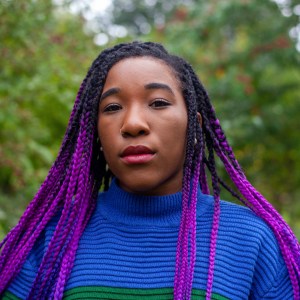
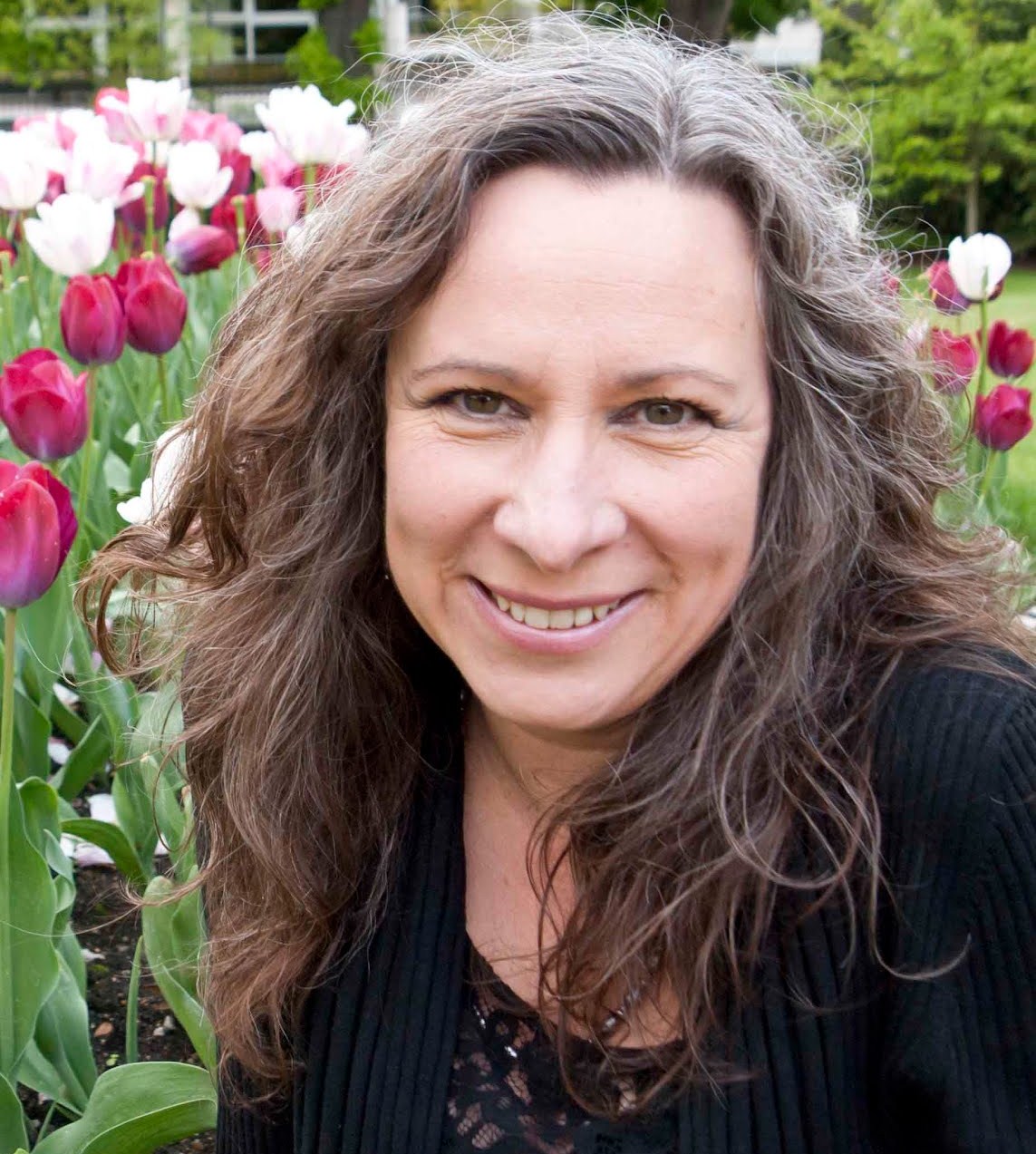
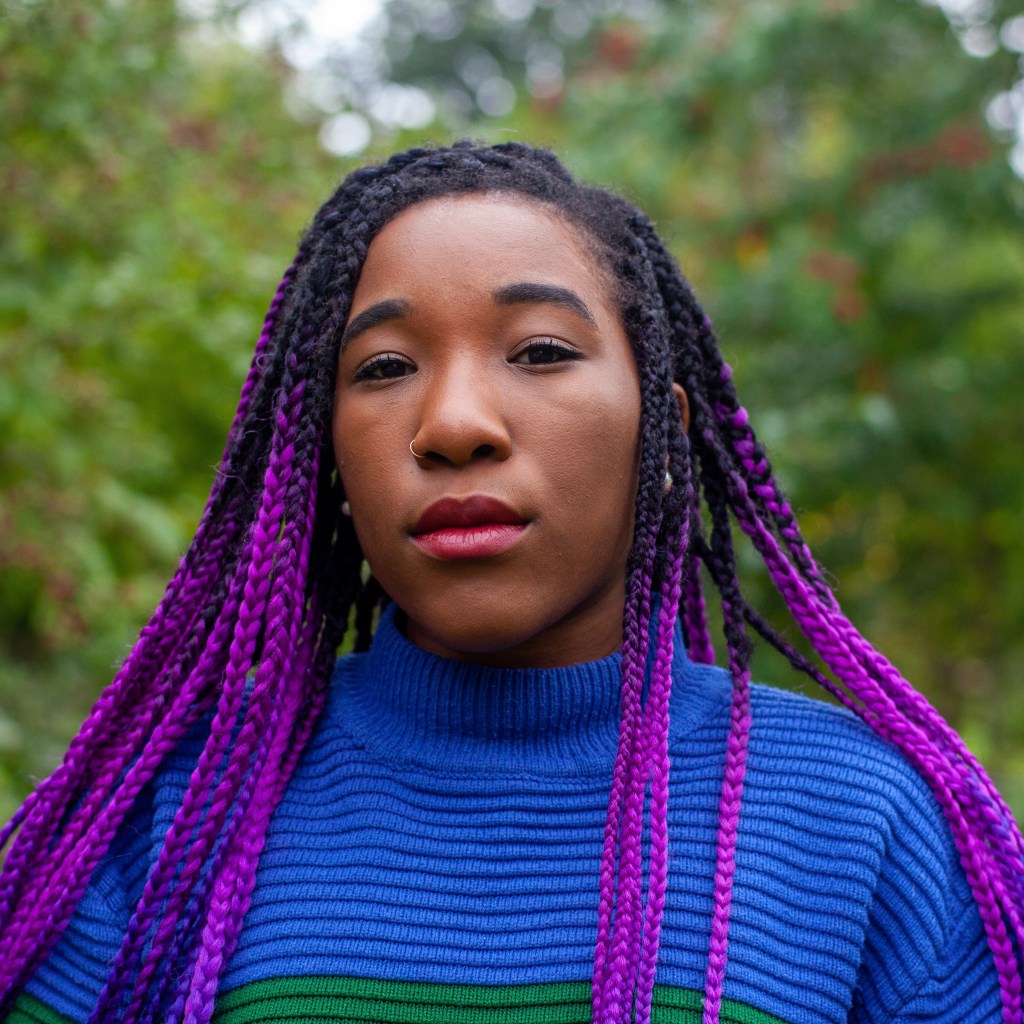
Kandace Siobhan Walker

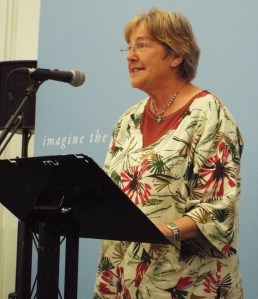
Special thanks to our judge; the writer, filmmaker and Guardian 4th Estate BAME Short Story Winner, Kandance Siobhan Walker for taking the time to review all the entries and selecting her three prize winners. All her comments and feedback have been well received.

The Prize Winners are as follows :

First Prize – Secret Pigeon Service by Katy Stones.

Second Prize – In Dreams by Ange Grunsell.

Third Prize – Taste the Darkness by Mark Bayliss.

First Prize Winner:
Katy Stones

Kandace wrote, ‘Secret Pigeon Service’ stood out with its poignant narrative about the small acts of humanity that connect us to each other. At a time when the world seems so divided, this story feels essential – it reveals that we rely not only upon kindness, but also on the bravery and determination and imagination of strangers’.

Congratulations to all our prize winners and to everyone who submitted work.

Our next Competition is for Poetry, entries due by 16 March 2021.

Enjoyed this article? Interested in reading more?
Don’t forget to follow Hay Writers’ Circle by signing up below.

Posted in Uncategorized | Tagged , , | Leave a comment

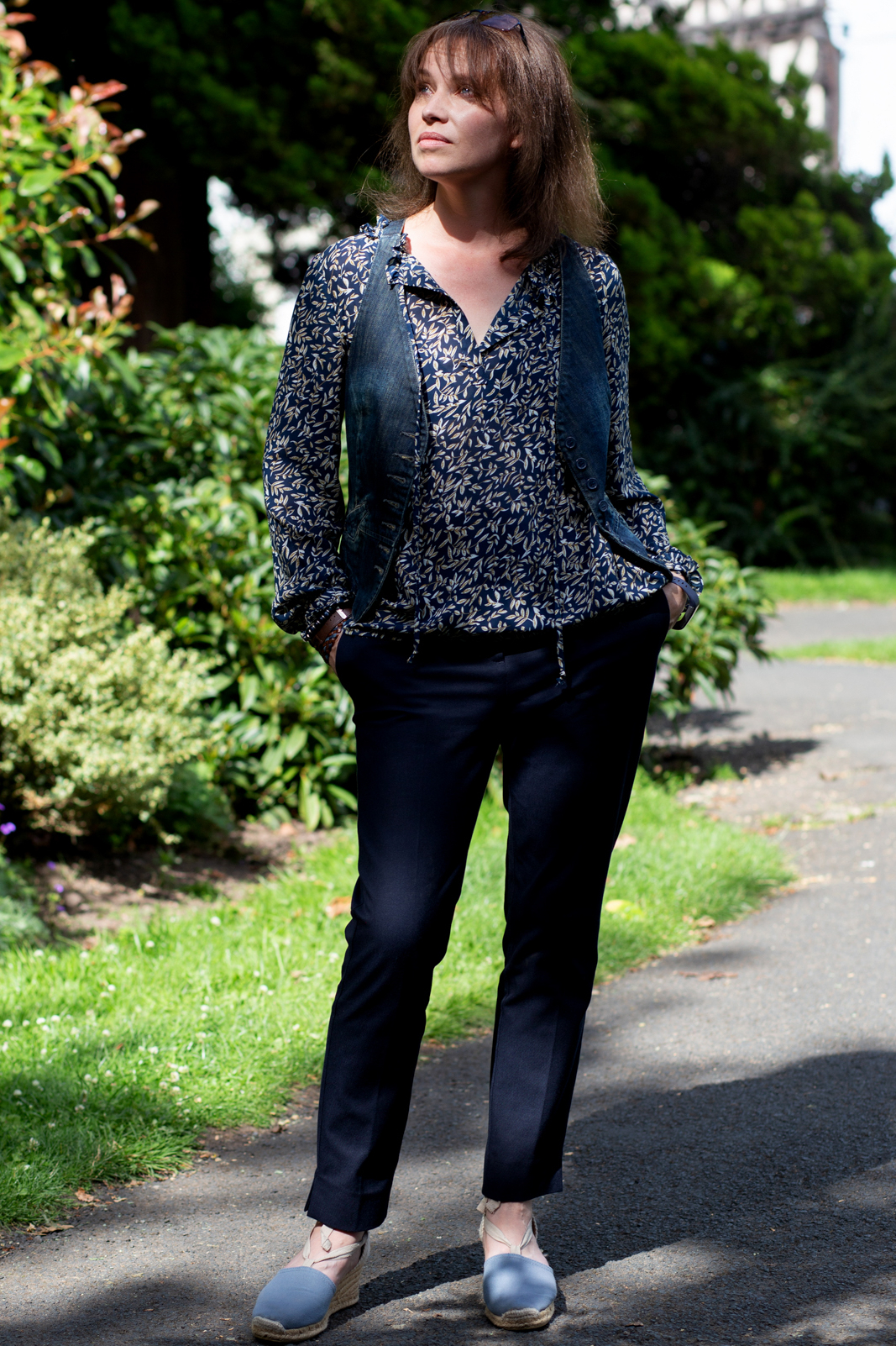
Hay Writer, Marianne Rosen, talks to BBC Radio Shropshire

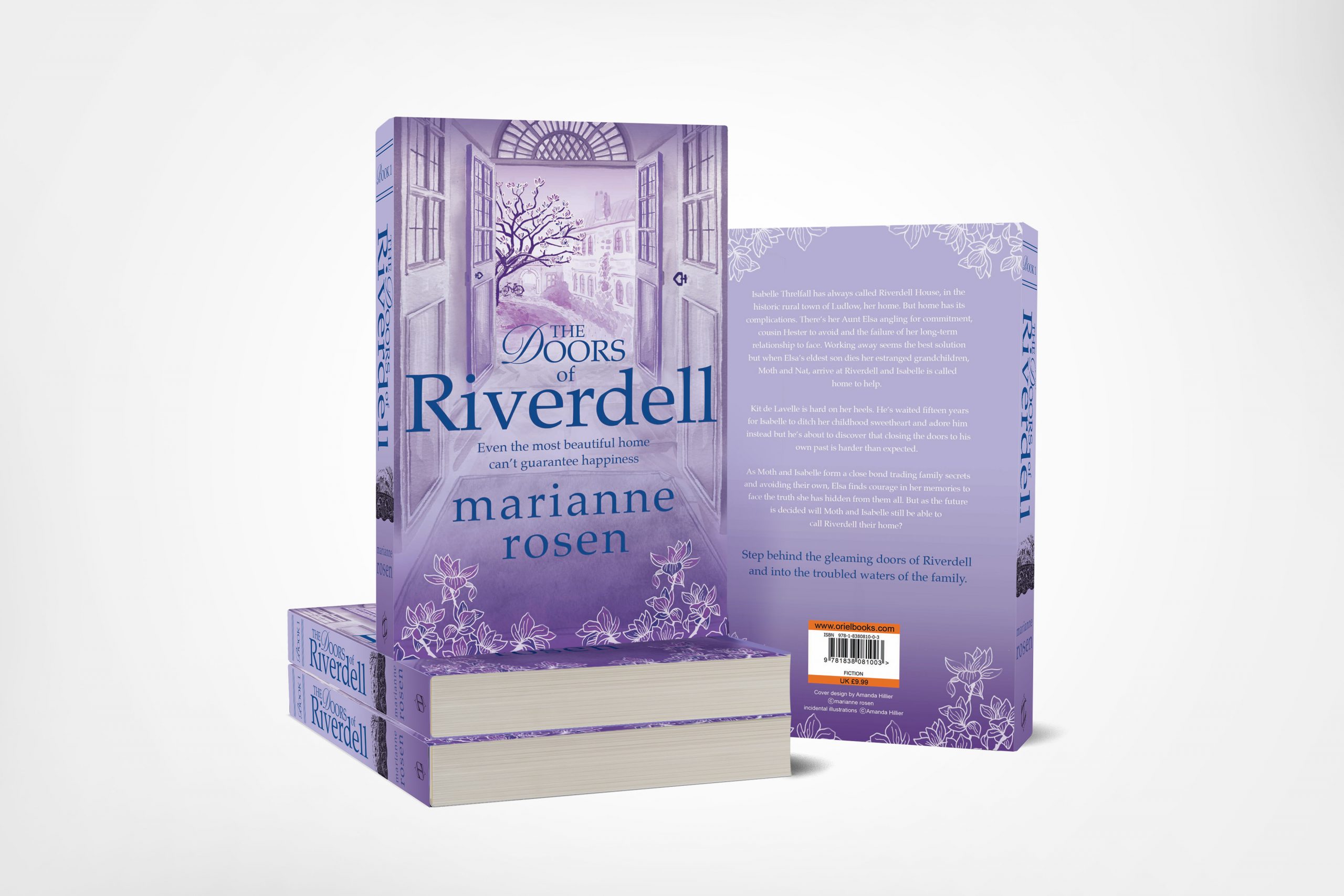
With the imminent release of her new book, The Doors of Riverdell, Hay Writers’ Circle member, Marianne Rosen talked to BBC Radio Shropshire’s DJ Jim Hawkins about life, Ludlow and The Riverdell Saga, her debut series.

Click on the link below to hear the interview.

The Riverdell Saga, a four-book modern family saga about a gorgeous inherited home and the family who live there. Book One, The Doors of Riverdell, is out on November 25th published by indie press Oriel Books and is set in the wonderful town of Ludlow. Her fourth novel, Colour Me In, is currently under submission to agents.

The Doors of Riverdell by Marianne Rosen is available from all good booksellers in paperback at £9.99 or ebook for £3.99 from the 25th November.

To find out more about Marianne and her work, CLICK HERE

Enjoyed this article? Interested in reading more?
Don’t forget to follow Hay Writers’ Circle by signing up below.

Posted in Uncategorized | Tagged , , , , , , , , , , , , , , , , , | Leave a comment

A Tribute to Frances Copping – Founder of Hay Writers Circle.

It is with no small measure of delight that we celebrate the life and works of Hay Writers’ Circle founder, Frances Copping, (1934-2020)

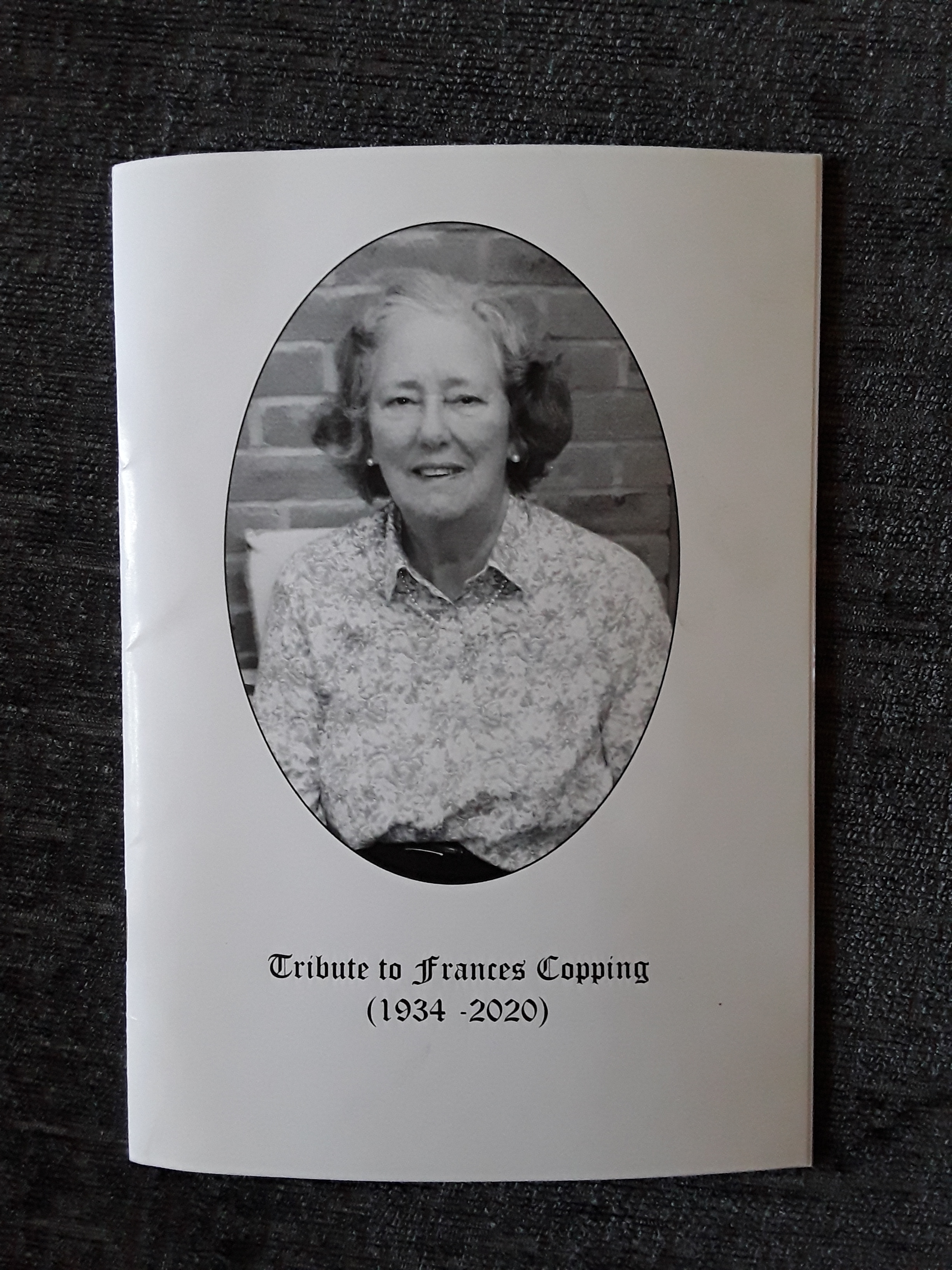
Frances Copping (accompanied by her daughter Coralie) at the 2019 Writer’s Summer Lunch celebrating 40 years of Hay Writers’ Circle.

Frances founded the then, Hay and District Writers’ Circle, in 1979.  She was our greatest supporter, mentor and latterly, our Lifetime President. She had remained actively involved with the group right up to her last few months and is most dearly missed.

Under her guidance, the Circle has spawned a great number of talented individuals over the years, not least is Lynn Trowbridge, who was the groups’ Chairperson for well over a decade. Lynn’s boundless creativity and enthusiasm, still in abundance, has brought together in one volume a wonderful selection of Frances’ short stories and non fiction prose.

A Tribute to Frances Copping, edited and published by Lynn Trowbridge is a cornucopia of witty, dry, humorous and touching observations made by Frances, which appeared over many years in the Hay Writers’ Circle annual magazine, or were performed on stage at Hay Festival.

An abiding love of Hay-on-Wye, it’s surroundings and it’s people are embedded in every page. This theme is echoed in the four individual tributes to Frances made by Lynn, as well as best selling author, Barbara Erskine, Actress and Hay Festival Co-Founder, Rhoda Florence and former Hay Writers’ Circle Chairperson and current President, Ange Grunsell. They serve as fitting introductions to Frances and the legacy she leaves.

Nothing and no one ever missed Frances’ keen eye and kindness. As Lynn Trowbridge concludes, “Although saddened at her passing, through her writing we can continue to hear the silent voice that still speaks – and smile.”

Copies of a Tribute to Frances Copping (1934-2020) are available from Hay-on-Wye Library and Clifford Church – donations at each venue welcome.

Frances also lives on through the Frances Copping Memorial Prize for Fiction. This is an annual fiction competition, open to members and non-members of Hay Writers’ Circle. Pieces of 600-1500 words on any fiction theme are accepted.

Prizes are awarded for first, second and third place.

We are thrilled that Kandace Siobhan Walker will be judging the competition this year.

Kandace Walker


For more information please click here

Enjoyed this article? Interested in reading more?
Don’t forget to follow Hay Writers’ Circle by signing up below.

.

Posted in Uncategorized | Tagged , , , , , , , , , , , , , , , | Leave a comment

2020 Fiction Prize – Kandace Walker Announced as Judge.

The 2020 Frances Copping Memorial Prize for Fiction

Submissions are now invited.

This is an annual fiction competition, open to members and non-members of Hay
Writers’ Circle. Pieces of 600-1500 words on any fiction theme are accepted. Prizes are awarded for first, second and third place.

We are thrilled that Kandace Siobhan Walker will be judging the competition this year.

Kandace Walker

Kandace Siobhan Walker is a writer and filmmaker based in Wales. Her work has appeared online, in print and on television. Her short film Last Days of the Girl’s Kingdom, produced in collaboration with DAZED and ICA, aired on Channel 4’s Random Acts in 2018. In 2019, her story ‘Deep Heart’ won the Guardian 4th Estate BAME Short Story Prize. 

Her website is kandacesiobhanwalker.com

This is a real opportunity to get feedback from a great writer.

If you wish to submit a piece, the fee is £5, payable by cheque or BACS. All details are on the entry form which you can download from this site. 

Click the link below to download the form.

Word count for this competition is 600 words minimum and 1500 words maximum and the theme is entirely open, so why not put pen to paper and have a go!

The closing date for entries is Tuesday 17th November 2020.
Good Luck!

Enjoyed this article? Interested in reading more?
Don’t forget to follow us by clicking the button below.

Posted in Uncategorized | Tagged , , , , , , , , , , , , , , , | Leave a comment

Ch-Ch-Changes

Four Incredible Years

September arrives and marks a change of season. Gone are those long, languid but brilliant days of summer and into the foreground the harvest comes, bringing darkening evenings and that first hint of frost.

Ange Grunsell leading the way at Hay Festival.

This year September also brings a change in chairperson for the Hay Writers’ Circle. For the last four years Ange Grunsell has steadfastly guided the group through many notable highs. She’s continually enabled the group to thrive and write well, engaged us in workshops and in-house competitions lead and judged by a number world class writers. She’s bolstered our confidence during our wonderful Hay Festival performances and embraced new opportunities such as creative writing interactions between Hay Writers’ Circle and the pupils of Hay School.

In 2019 we celebrated the 40th anniversary of our writing group, culminating in a visual display at Hay-on-Wye Library. Less than a year later we endured the sad loss of our founder and lifelong president, Frances Copping, as well as the current challenges of the Covid pandemic.

As Ange steps back from being our Chair, she takes on a new role as President of Hay Writers’ Circle. We extended our heartfelt gratitude for all her years of hard work.

Thank you Ange.

Wishing success to Jean O’Donoghue who takes over as the new Hay Writers’ Chair.
Congratulations!

Jean O’Donoghue.

Enjoyed this article? Don’t forget to FOLLOW us for updates.

Posted in Uncategorized | Tagged , , , , , , , , , , | Leave a comment

Short Story – ‘Wahiba’ by Alan Oberman

Wahiba

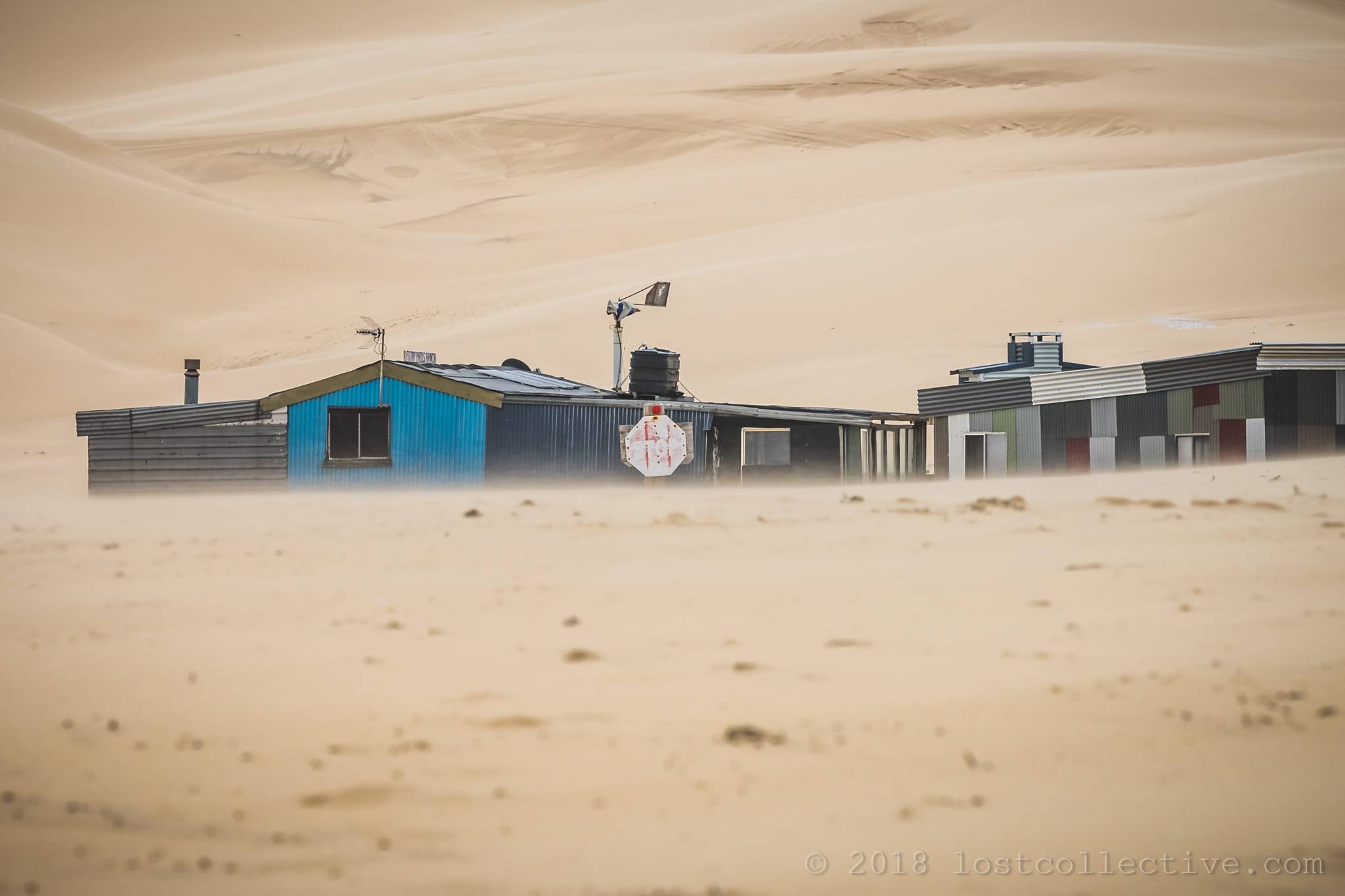
The tiny twin-propeller aircraft hums low over the desert. All is empty, devoid of any object to focus the eye, yet not featureless. Swells and troughs of sand paint a vast abstract canvas where sharp ridges of dune divide hues of beige. The engine buzz lowers in tone. In the middle of the desert, a rectangle of flattened sand, the size of a football pitch. No fence, no building except a bus shelter of corrugated iron on the roof of which, in bold white letters, are the words, ‘FAHUD INTERNATIONAL AIRPORT’.

The aircraft-bird swoops, briefly touches the ground, deposits a single egg that is me, and with insouciant regard for my safety, flies away. No person, no vehicle, not even detritus, nothing but sand and an empty tin shack. I up-end my suitcase and sit. I hope someone knows where I am. Yes, I am seeking adventure, but I didn’t expect it to arrive so quickly.

image: Sandstorn – Tin City ©www.lostcollective.com

At least I’m not required to make a decision: there are no options other than wait. I have no water.

A long two hours pass. A Land Rover arrives. The party chief apologises for being late. ‘Welcome to Oman.’

My accommodation at camp could be mistaken for an aircraft egg: a silver pod on wheels containing little more than a single bed. Five in the morning, our Persian cook, Dawood, handsome as Omar Sharif, knocks and enters to place a silver tray at my bedside – cup, jug of milk and pot of tea.

In the merest promise of dawn, I’m in the Land Rover with my Arab co-driver Saleem. I’m 23, he can’t be any older. There are no roads. The land – stony, black – undulates, giving every impression that we’re skimming across a rolling sea. Small shrivelled shrubs, dead from dehydration, have one brief moment of glory. They’re adorned with tiny globes of water from night-time dew and, as the sun rises, its beams set them alight, the dull bush suddenly transformed into a flowering beauty, a myriad of fairy-lights glistening red, blue, yellow and green.

Abruptly, we arrive at our destination. In a fit of housekeeping, an ancient giant of the desert has swept Arabian sands into neat rows in a corner of Oman. This is Wahiba. It is totally uninhabited, uninhabitable. We drive two hours along a valley floor between sloping drifts of sand to find the dunes either side converge, blocking the route forward. Nothing for it but to cross into the parallel valley. Wheels spinning, we reverse up the right-hand slope, then accelerate down, across the valley floor, gaining just the right momentum to take us gently over the ridge of the left-hand dune. Too slow and we’d have to repeat the procedure; too fast and we’d fly over the top, out of control in a dangerous rotating slither. The third possible predicament is to settle horizontally across the ridge unable to proceed forwards or backwards.

wahiba-sands-region-xlarge

image : Wahiba Sands Region ©The Telegraph/Sarah Edworthy, 2017

Another hour along the new valley and, at last, we can begin our work, which is, in more ways than one, a treasure hunt. Saleem and I compete to be first to spot bunting. The surveyors have created a lattice of kilometre squares marking each corner with red bunting. Over there, we see the first. I lift the hugely expensive, heavy gravimeter from its protective case and set it level on the ground.

The gravimeter is sensitive to minute change in gravity, responsive even to the movement of Sun and Moon. A subterranean pocket of oil betrays its presence by an otherwise unexplained depression in gravimeter reading. There, our client company Shell might decide, is a likely spot to bore a well. Shell has declared that a ground-based survey of the Wahiba Sands is impossible. We, the first white people to enter this region, are here to prove them wrong.

Two hours of chasing red bunting and it’s time to head back. Saleem invites me to his house in the oasis of Al Mintrub where I discover that he is married, although his wife remains hidden throughout my visit. He proudly shows off his rifle and cartridge belt and, around his waist, a dagger beautifully embossed in ivory and silver. We share coffee and he offers me fruit from his garden: dates, banana, lemme (much like a lemon) and fig.

Eight Englishmen make up our crew. Party chief, Laurence, is 26. He can be excused for being inefficient but not for his sour expression and failure to encourage. The real chief of the party is Charlie. Supremely good looking, he appears much younger than his 42 years. He is a born raconteur, spinning one anecdote after another, tripping us into howls of laughter with his comic expressions and vicious mimicry. His stories range from the misfortunes of past survey crews, his risqué adventures in any number of brothels, and the misdeeds of his (ex) wives. He disparages any opinion not his own, with especial venom reserved for ‘theoretical’ education. Eschewing female company, he is bitter and cynical, the eternal wanderer in perpetual self-exile.

It is Id and a welcome day off. What does one do on a holiday? Go to the races of course. We dress up in white shirts and long trousers and drive to Al Mintrub. It’s a town out of a cowboy film – long, wide, dirt road bound on either side with simple houses. Men throng the sidewalks. They’re clothed in their festive white arbaiga with heads wrapped in orange Kufeia. Young boys, in eye-catching cloaks of green and yellow, dash about unrestrained. The women, packing the rooftops, have a grandstand view. A young girl, accompanied by her mother, emerges from a doorway. Her face is waxed in yellow grease and she’s adorned with silver bells and chains and amulets to keep the evil spirits at bay.
download
We walk down the centre of the street attracting as much undisguised curiosity as if we were the Magnificent Seven. We are met, mid street, by the white-bearded sheik, who invites us to sit with him on his carpets. From here, we have a fine view of the camels, newly washed and brushed.

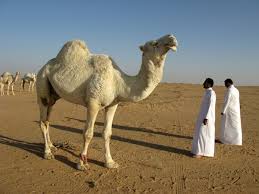
Two camels are led forward. The jockeys pull vigorously on the rope about each camel’s neck. One is brought to its knees, but as the other descends, the first is up and away. At last both camels, roaring disapproval, are lying on the sand. The jockeys, slowly, vigilantly, holding tight to the noose, creep up behind. With a shout, they both leap onto the rising camels and fly down the street in a confusion of sand, flaying hooves and blood-curdling screams. Two more camels are brought forward. It is an Alice in Wonderland race: there are no winners and no prizes and it’s only brought to a sudden close when the market is opened and everybody rushes off to buy the best goat.

Three months work and we’re done – Wahiba surveyed, the crew disbanded. Holes are drilled, straws inserted whereby energy-thirsty humanity may suck. Omanis (some) grow fabulously wealthy. Saleem’s wife bears children. And for me – I will not be a Charlie. I head back to England for music and mixed company. A mere twenty years later, I add my voice to those demanding we cork the very wells of oil I helped discover, and I smile at a travel company blurb offering a night in a lodge on the edge of the Wahiba Sands – ‘an adventure you’ll never forget’.

Mukhaizna-oil-drilling-rig

image:©skkynet

Posted in Uncategorized | Tagged , , , , , , , , , , , , , , , , , , , , | Leave a comment

THE 2020 RICHARD BOOTH MEMORIAL PRIZE FOR NON-FICTION – Submissions Invited.

THE 2020 RICHARD BOOTH MEMORIAL PRIZE
FOR NON-FICTION

This is an annual non-fiction competition, open to members and non-members of Hay
Writers’ Circle. Pieces of 600-1500 words on any non-fiction theme are accepted. Prizes are awarded for first, second and third place.

We are absolutely delighted that Rib Davis will be judging the competition this year.

rib davis

©www.rib.davis.com

Rib is a playwright, oral historian, author, director and community arts worker. He has published two books on writing: Writing Dialogue for Scripts and Creating Compelling Characters for Film, TV and Radio. He has edited books on oral history and fiction. He has written scripts for Radio 3 and 4, and scripts for the TV programme The Bill. He has a particular interest in oral history and was the National Life Stories Goodison Fellow 2018-2019. Much of his theatre work is oral history based and he has directed several large community plays.

This is a great opportunity to get feedback from an experienced writer.

His website is www.ribdavis.com

If you wish to submit a piece, the fee is £5, payable by cheque or BACS. All details are on the entry form which you can download from this site. Click Here —> non-fiction form

Word count for this competition is 600 words minimum and 1500 words maximum and the theme is entirely open, so why not put pen to paper and have a go.

The closing date for entries is 30.06.2020.
Good Luck!

lots of pens

Posted in Uncategorized | Tagged , , , , , , , , , , , , , , , , , , , , , , , , , , , , | Leave a comment

Frances Copping – Hay Writers’ Circle Lifetime President 1979-2020

Frances Copping – Hay Writers’ Circle President 1979-2020

It is with great sadness that we announce the death of our much loved Hay Writers’
Circle President, Frances Copping, who died suddenly.
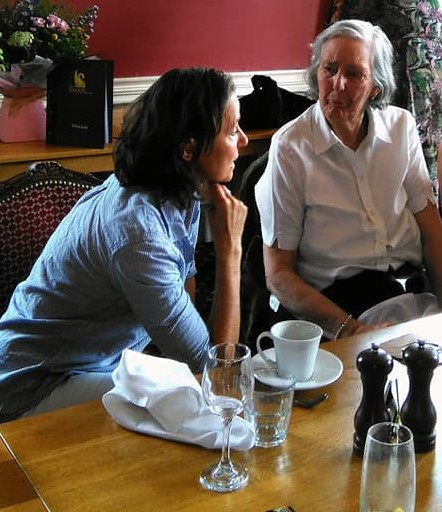
Frances Copping (accompanied by her daughter Coralie) at the 2019 Writer’s Summer Lunch celebrating 40 years of Hay Writers’ Circle.

Frances was the founder of the then, Hay and District Writers’ Circle, in 1979.  She was our greatest supporter, mentor and latterly, our Lifetime President. She had remained actively involved with the group right up to the last few months.

Frances was an engaged writer recording with a witty and observant eye the life and times in her home town of Hay, as well as the world beyond. She was always modest about her work, but over very many years wrote a number of memorable pieces published in the Circle’s magazines and read aloud, entertaining audiences at countless Hay Festivals.


Her deep and sustained links with the Florence family were one of the reasons that
the Hay Festival welcomed us each year, and that Peter Florence gave our event
such a memorable introduction at the 2019 Hay Festival, marking our writing group’s
40th year.

She was also able to be guest of honour at The Swan Hotel last summer when we
celebrated our remarkable anniversary and Frances’ huge contribution of over 40
years to creative life and the written word in Hay-on-Wye.

We all valued her guidance, wisdom, humour and friendship enormously and will
miss her very much.

The Hay Writers’ Circle aims to sustain the reputation Frances built for our group in offering opportunity and encouragement to local writers in Hay to flourish and develop.

************************

WASTE NOT WANT NOT

By Frances Copping
IMG_20200522_131842
On Tuesdays, rubbish is collected from our cul-de-sac. Recently, due to public holidays, our bags remained sitting on the pavement for three weeks. They looked like black, shiny slugs, which multiplied overnight and spilled over the kerb, and we had images of black bags rising around our houses and lapping at are upper windows.


During World War Two, I grew up in a house where there were four adults and three children. We lived there for eight years from 1939 to 1947. During all that time, I do not remember there being any rubbish collection. But when we left, the house and garden were completely clean of anything which could be considered rubbish. Everything we had was re-cycled, re-used, burned, or put on the compost heap.

Of course it was before the introduction of plastic and, for that matter, Tesco and Sainsbury’s.  My mother collected our groceries in a wicker basket from Mr. Maddy of the Bull Ring, who weighed out of flour, margarine, sugar, raisins, etcetera into brown paper parcels, which were then tied with string. On returning home the string was unpicked wrapped around the fingers and the last bit tucked in to make it secure, before being put in the Players Please cigarette box on the mantel-piece. The brown paper was carefully folded to be re-used, and the margarine paper flattened out and saved to be put over a breast of a roasting chicken.

The vegetables were brought home in a string bag and then emptied into a metal bucket which no longer held water. New potatoes, carrots and onions were layered separated by the pages of The Ladies Journal. – a monthly indulgence on my mother’s part, collected from Mr. Grant of Castle Street on the first Thursday of every month.
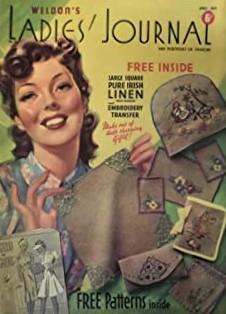
ladies journalThe Ladies Journal proved to be of interest to my older brother and sister and I, for on the back page Lady Celia Chatsworth-Todd answered Readers’ letters.

One I remember came from ‘Concerned’ of Littlehampton.

“In these days of falling standards, it’s difficult to raise daughters with a sense of decency and decorum. My daughter, aged only nineteen, was recently escorted home from a party by a person to whom she hasn’t been introduced. Did she do wrong?”

Lady Cynthia replied, “Your daughter was most unwise in the action she took.  Remember –  the journey to fallen womanhood and depravity begins with the first step.”

My mother soon picked up our interest in the back page and in future, after reading it herself, always tore this out and used it to light the fire.

At the back of the house was the compost heap, and anything but didn’t land on this went into the hen bucket – porridge, bacon rind, crusts of stale bread.  Egg shells will put on a metal tray at the back of the bread oven, and when brittle and brown were beaten with a rolling pin until they were like bits of grit, when they were returned to the chicken coop.

There were no milk bottles then. The farmer down the lane arrive each morning pushing a butcher’s bike which held a drum of milk.  To alert his customers, he would ring his bell, and hence was referred to as Tinkle the Milk.  Mother would take out of Jug, which was covered by a lace lid held down by several blue beads. Tinkle measured out the milk with his billy can and poured it into the jug. On returning to the house, the milk was then poured through a fine mesh to remove the foreign bodies before being put into a cabinet on the north wall of the house.

What remained of The Ladies Journal also came in useful.  The pages were torn out, folded into long strips and twisted at the end to hold them fast, then placed in spill jar and used to light the fire in the sitting room and the candles at night.  Only one match was allowed to be struck each day, and that was to light the kitchen fire,  but if the fire was banked up correctly, by fanning The Ladies Journal vigorously over the grate the fire would re-ignite and a match would be saved.

Clothing three children must have been a problem, but The Ladies Journal came to the rescue again.  It came up with great ideas in the Waste not -Want not page.  ‘Always remember, ladies, a stitch in time saves nine’.

‘Those outgrown jumpers and all knitwear,’ wrote our Needle correspondent, Miss Martha May, ‘can be re-used. When the jumper is washed, peg it on a line and weigh it down with stones carefully attached to sleeves and seams. This will ensure it will not shrink. When outgrown, carefully unpick the wool and wind it into a long loop. Once undone, to remove the crinkles left in the wool, hang the loop from a door-knob and weight it down.  This will result in straightened wool, ready for re-knitting’.

My mother slavish unpicked our jumpers, and I spent many uncomfortable hours, arms outstretched whilst she unravelled and wound the wool round my hands. The final completed loop of wool would be sung over an apple tree bough which was conveniently situated near the back door, then the good luck horseshoe (which always hang there) was placed at the lower end of the wool, it’s weight stretching the skein into long strands, and after two days it was ready to be knitted into a new jumper.

My sister Gillian, being the eldest, had to have the largest size. This meant that she had jumpers of varying colours, as a smaller one into a larger one wouldn’t go. So wool for collar and cuffs was chosen from a box of saved wool remnants, producing a coat of many colours.

Me, being the smallest, had my jumpers all in one colour, and only every nine inches a kink in the wool, made by the horseshoe, gave away the secret that my new jumper wasn’t exactly new.

Apart from needles, reels of cotton and scissors, most of the sewing box consisted of buttons, belt fasteners, press studs and even collars.  Just anything that could be salvaged from a discarded garment. Nothing, but nothing, would be wasted. When soap bars became so thin that they slipped through one’s fingers, they will gathered up and put in a net and left in damp newspaper until they gelled together, and when dry made another usable bar of soap.
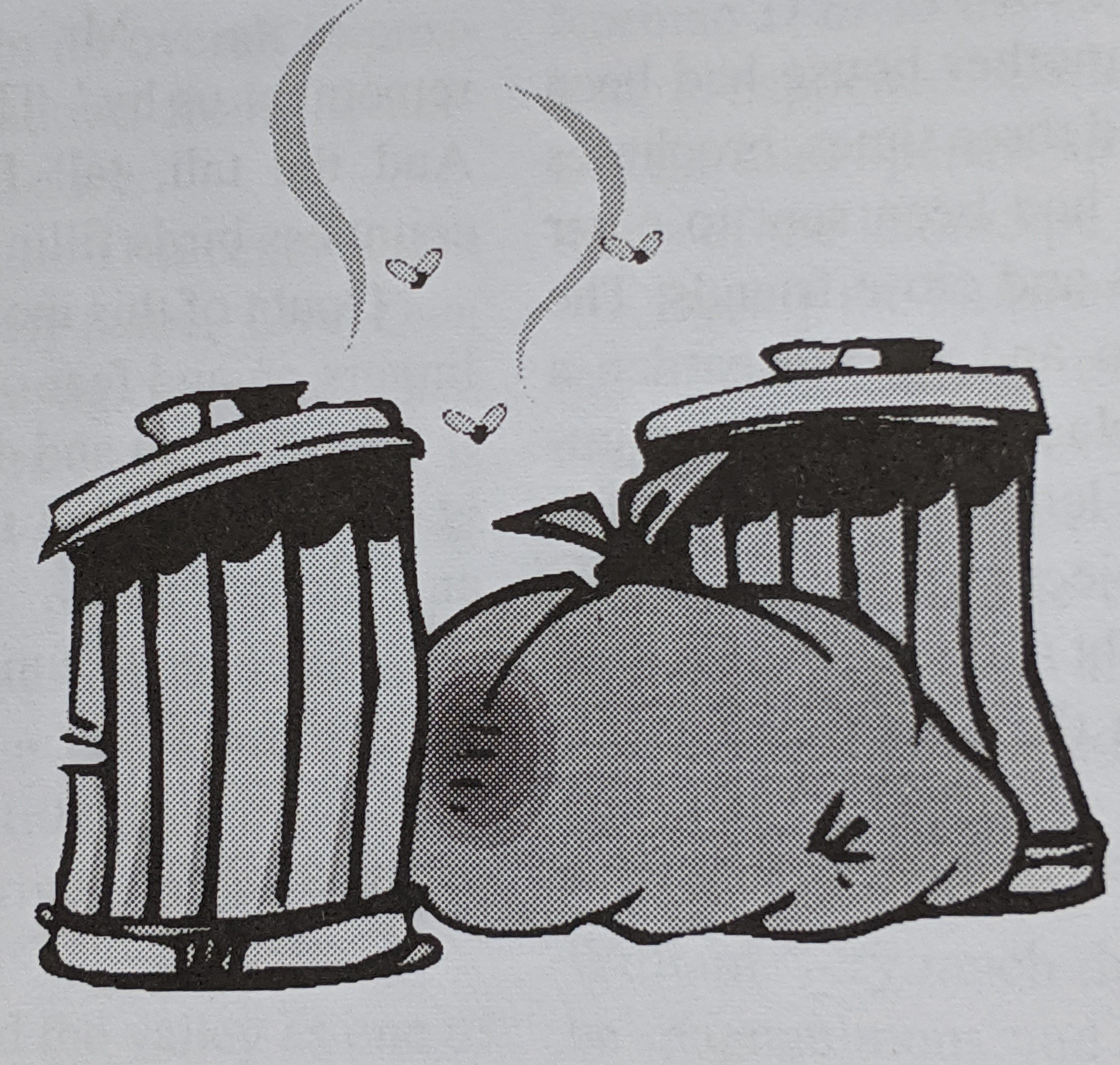
IMG_20200522_131835Sadly, in today’s throw-away society, all too soon this Sceptred Island, and probably the rest of the world will become a round, shiny ball – no dips, no wrinkles or ruptures. Just smooth and clean and tidy.  The Offa’s Dyke will be filled with plastic bags and cartons and disposable nappies.  No more Wookey Hole or Grand Canyon.  All smoothed over, all the Waste Fill sites full up, grassed over, and only the methane burping through the daisies will remind us and the sheep grazing there, that they are standing on trillions of tons of discarded debris of our over-indulgent, throw-away culture.
 

Posted in Uncategorized | Tagged , , , , , , , , , , , , , , , , , , , , , , , , | Leave a comment

Hay Festival Digital 2020


#ImagineTheWorld – Virtually Here

by Emma van Woerkom

Looking back on the heady days of Hay Festival 2019, it’s truly difficult to imagine what a difference 12 months can make. Could we have guessed the words ‘pandemic’, ‘social isolation’ and ‘lockdown’ would find their way into our daily vocabulary? Who would have envisaged highstreets shut, playgrounds deserted and festival sites mothballed.

But being an adaptable species not everything has been cancelled. Welcome to Hay Festival Digital, 22-31 May, 2020. One hundred free online events streamed through the Crowdcast platform. As Hay Festival’s publicity director, Christopher Bone stated in his recent Evening Standard interview, “speakers can answer audience questions and festivalgoers can watch… we’re hopeful for a bumper fortnight of conversation, laughter and togetherness”.

Currently 360k people have registered to revel in this creative online experience. Why not join the throng engaging virtually with the likes of Hilary Mantel, Ali Smith, Hallie Rubenhold, Simon Armitage, Stephen Fry, Margaret Atwood, Jonathan Pryce and Vanessa Redgrave etc., leaving next year to dream, dust off our wellies, apply the sun cream and head back to Hay-on-Wye.

Hay Festival Digital is free to attend and runs to 31 May, register at www.hayfestival.com/wales/home

2015-05-24 17.40.11

Posted in Uncategorized | Tagged , , , , , , , , , , , , , , , , , , | Leave a comment

2020 Poetry Competition – Results Announced.

poetry comp winner typewritter

The winners of the 2020 Hay Writers’ Circle Poetry Competition are:

First prize –  Emma van Woerkom  – ‘Blackberry Seed’

Second prize – Angela Grunsell  – ‘Autonomy’

Third prize – Katy Stones   – ‘After him’

kate noakes 2020

This year our judge was the wonderful Kate Noakes.  She generously took the time to comment on individual poems and obtaining such critical feedback from an established and gifted poet is the major benefit of entering this competition.  

We are extremely grateful for Kate’s painstaking and constructive input.  As well as the individual commentary, she made some general comments which are of great help to all poets, these are reproduced below.

“Thank you so much for asking me to judge your poems. It is an honour to be trusted with your careful work. I have read an enjoyed them all. I thought it might be helpful to set out a few general thoughts. These are only my opinion, and I don’t legislate on poetry, so feel free to ignore or contest them. I have put some individual thoughts on each poem also, and suggested some edits, but again, feel free to dispute them; they are only one reader’s response.

1. Many poems capitalised the first word in each line  – this is rather an old fashioned approach and most poets don’t do this these days as it draws rather too much attention to that first word. You can switch off this function in Word if you don’t want it.

2. Punctuation in poetry should follow the same rules as prose, unless you are deliberately not punctuating at all, in which case you might use the triple space, and/or make your line breaks work really hard – Adrienne Rich is a good example of a poet who excels at this, if you want to take her as an exemplar (she is wonderful for other reasons obviously, also).

3. Syntax should follow the normal English sense -it is really jarring to the contemporary ear to twist it around to fit the rhyme.

4. Adjectives and adverbs should be used sparingly. Please consider them carefully and don’t over use them.

5. Titles – these are tricky and I suggest spending more time on these as they can do a lot of work for the poem. Think about whether, if you opened a book of poems and saw the title in its list, you would want to turn to that page and read it.

6. Form – it was really lovely to see so many poems using form and rhyme. These are a challenge to write and I appreciated these very much.

7. Cliched subjects/imagery  – there are a lot of poems out there about bees, moons, fairies, rainbows, frost and the like, as well as a long list of over-used words and images in poems – try this list for examplehttp://www.pretendgenius.com/banned.html– so it you are going to write on these topics or use these words, try to do something different with them, or at least be aware that they might be cliched.  (sorry I can’t put the accent in the right place!) You might like this blog post on the subject https://robinhoughtonpoetry.co.uk/2017/09/15/those-poetry-banned-words-again/or this https://www.writeoutloud.net/public/blogentry.php?blogentryid=45206

I hope these thoughts help.”

____________________________________________________________________________________________
My Photo

Kate Noakes is a prize-winning and widely published poet who set up Boomslang Poetry to facilitate poetry readings and workshops in the UK.

Kate was founding President of Paris Lit Up, a not for profit literature organisation in the City of Lights in 2012. She reviews poetry for Poetry London, The North, Poetry Wales and London Grip.

Kate is a trustee of writer advocacy organisation, Spread the Word. Her practice is focused on contemporary culture and environmental matters.”

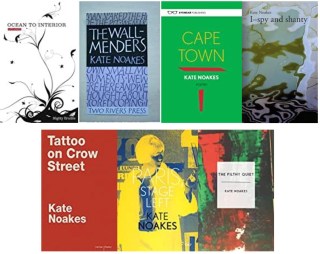
Kate’s published poetry:
kate noakes books-page-001
Ocean to Interior, Mighty Erudite, 2007.
The Wall MendersTwo Rivers Press, 2009.
Cape Town, Eyewear Publishing, 2012.
I-spy and Shanty, corrupt press, 2014.
Tattoo on Crow Street,Parthian, 2015.
Paris, Stage Left, Eyewear, 2017.
The Filthy Quiet, Parthian,  2019.

Her much-anticipated non-fiction:

Real Hay on Wye –
forthcoming title from Seren, 2020.

Posted in Uncategorized | Tagged , , , , , , , , , , , , , , , , , , , , , , , , , , | Leave a comment