We are delighted to announce the results of our annual non-fiction competition.
This popular competition again received a good number of entries from both inside and outside Hay Writers’ Circle and we very much welcome external interest in all our writing competitions.
Our memorial prize, named in tribute to Richard Booth, the self-proclaimed “King of Hay”, who among many literary interests, was a keen supporter of the Hay Writers’ Circle. He sadly passed away in 2019, still in love with books, writers and his beautiful kingdom of Hay-on-Wye.
The judge this year was the wonderful Roland White, who not only wrote encouraging and thoughtful feedback for entrants, but also graciously waived his fee. We are extremely grateful for his expertise and generosity. Thank you Roland.
Without further delay, here are the results :
First – Gill Haigh – A Year in Wales
Second – Michael Eisele – Fritz
Third – Kerry Hodges – The Curse of Helios
Roland also added a further commendation:
Highly commended – Barry Pilton – Mayday on Mayday
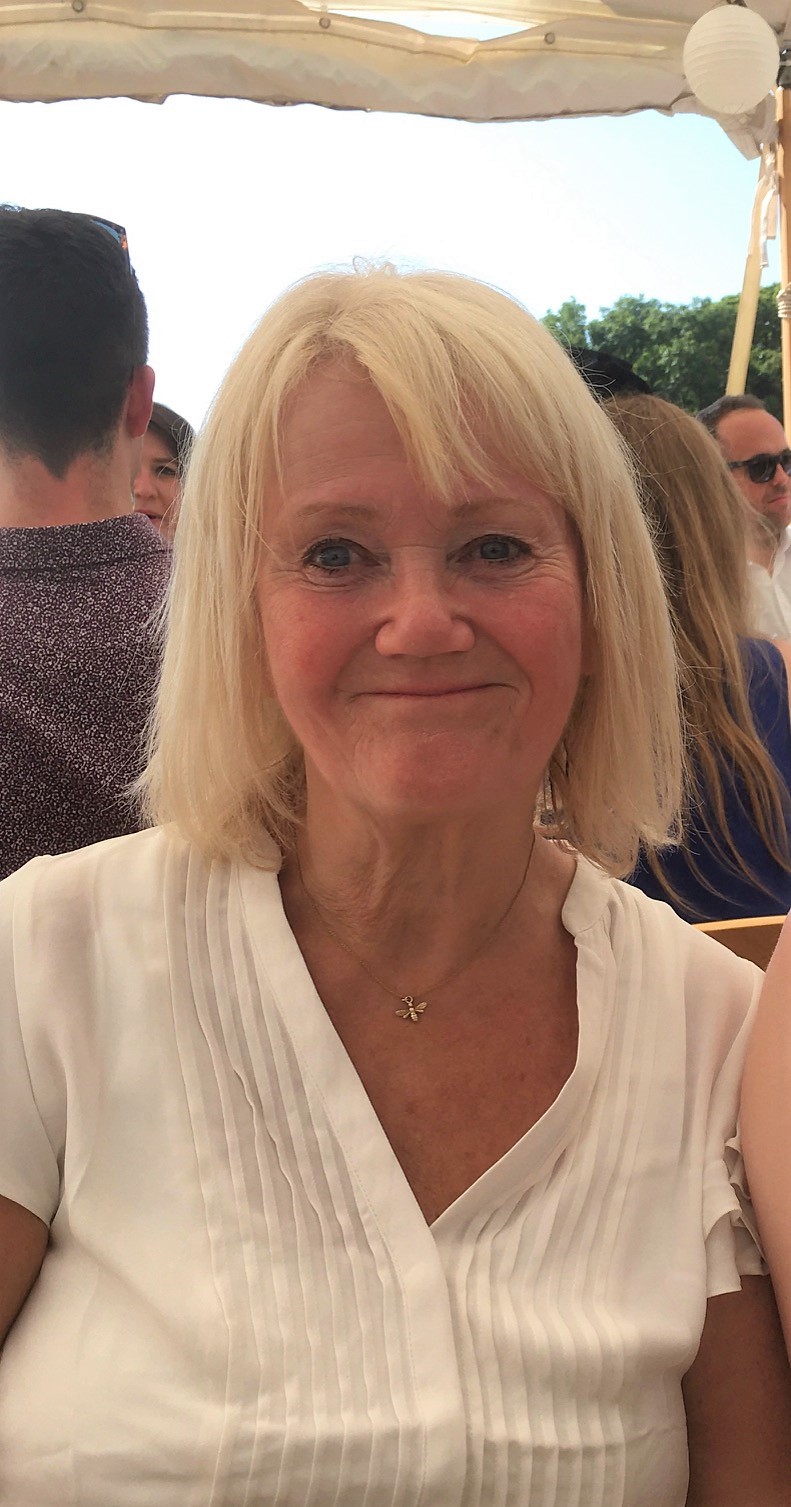
Judge, Roland White and 1st Prize Winner, Gill Haigh
The Judges comments :
FIRST – A YEAR IN WALES
A fine, powerful piece of writing. A slightly unsettling cross between Laurie Lee and The Omen, what with its ghosts and buried razor blades, this is a vivid account of a year from the point of view of a young and apparently rather knowing little girl. The short, straightforward sentences not only enhance the drama but make the text more childlike.
There were scenes that every parent will recognise, and humour in the very literal world of young children (“It’s a wireless”… “It’s not. I can see wires coming out of it”).
The format did make me wonder whether this was really non-fiction, but I gave it the benefit of the doubt.
SECOND – FRITZ
In this vivid and confessional snapshot of life as a railway worker in the United States of the early 1960s, the author confronts elements of the past that we would probably prefer to forget. Should he have really regarded his German colleague Fritz, who made light of the Holocaust, with such admiration? Includes a good line about what the writer regards as the political complacency of the time: “White America was in the throes of a passionate love affair with itself”. Finishes dramatically with a vivid quotation from Shaw’s St Joan.
The author considers issues that have been much debated in recent years, but in an original way.
THIRD – CURSE OF HELIOS
One of the skills of the writer is to take a rather ordinary subject, and turn it into something out of the ordinary. This takes a certain amount of technical skill and a light touch that was very much on display here.
Curse Of Helios is essentially about sun rash, but the writing style somehow lifts it into a personal struggle between one woman and her sworn enemy – sunshine.
I particularly enjoyed the description of her small children as they “raced around like puppies with too many legs”.
HIGHLY COMMENDED – MAYDAY ON MAYDAY
A gripping account of a cottage threatened by flooding, told in a wonderfully laconic style. Apart from any other consideration, who could resist a piece of writing which contains the phrase: “It was Morris dancing that saved us”?
Makes you want to read to the end to find out what happened. Witty turns of phrase too: “The water was about an inch short of an insurance claim”.
Thank you to everyone who entered our competition this year, congratulations to our winners and highly commended, with sincerest thanks to our esteemed Judge.
In other news… Our 2020 fiction judge, Kandace Siobhan Walker has given a thought provoking interview to AZMagazine about her writing, creativity, inspiration, artistic practice and winning awards, plus being the recent recipient of AZ Mag’s Creative Fund. Check it out – CLICK HERE
And finally,August hails a breakin the Hay Writer’s year. So enjoy a quenching drink while sitting somewhere cool over the next few weeks (Iknow I will), and join us again with pens ever poised in September!
It’s been an exciting week of writing and now we slip seamlessly into July.
On the 10th of this month Offa’s Dyke Path will be celebrating it’s 50th anniversary and we are delighted to announce that 2 of the Hay Writers’ Circle have been involved with marking this historic 177 mile National Trail.
An exhibition at Offa’s Dyke Centre in Knighton, “Walking With Offa”, comprising of new paintings by acclaimed Welsh artist, Dan Llwelyn Hall will be accompanied by a poetry publication of the same title. The book contains commissioned poems by 12 leading poets of Wales; Gillian Clarke, Owen Sheers, Twm Morris, Robert Minhinnick, Menna Elfyn, Oliver Lomax, Sian Dafydd, Laura Wainwright, Eric Ngalle Charles, Geriant Jon and Clare Potter.
Six individual poetry films have also been created for this exposition. The first released to the public being the dynamic poem, “Water-Break-it’s-Neck” by Hay Writers’ Circle’s very own, Emma van Woerkom. Filmed earlier in the year during Covid restrictions, Emma was unable to travel from England to Hay-on-Wye on the day of filming, but fortunately fellow HWC member, Katy Stones stepped in, reading to camera while striding up the slopes of Hay Bluff.
The film has been viewed over 1.2k times on Facebook already – Congratulations to everyone involved!
You can keep up to date with all the celebrations, exhibitions, competitions and other poetry films via the Offa’s Dyke Path facebook page – CLICK HERE
Finally, just a reminder that the closing date for the Richard Booth Prize For Non Fiction is Tuesday 6th July. Head over to our Competition Page for details. Prizes for First, Second and Third places. Good Luck!
With our minds still fizzing from another wonderful Hay Festival it seems extremely timely to announce not one, but two exciting new publications from members of the Hay Writers.
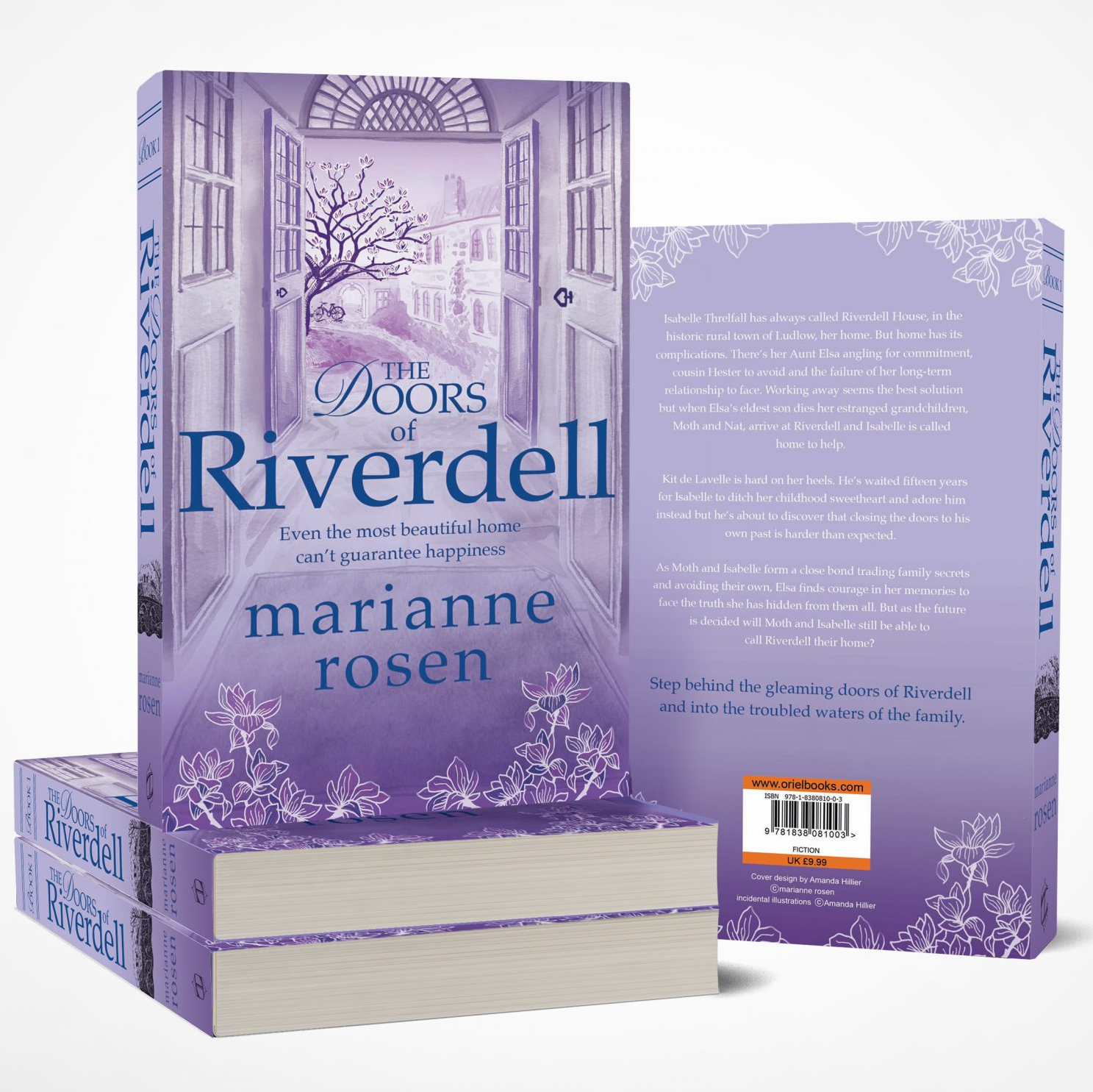
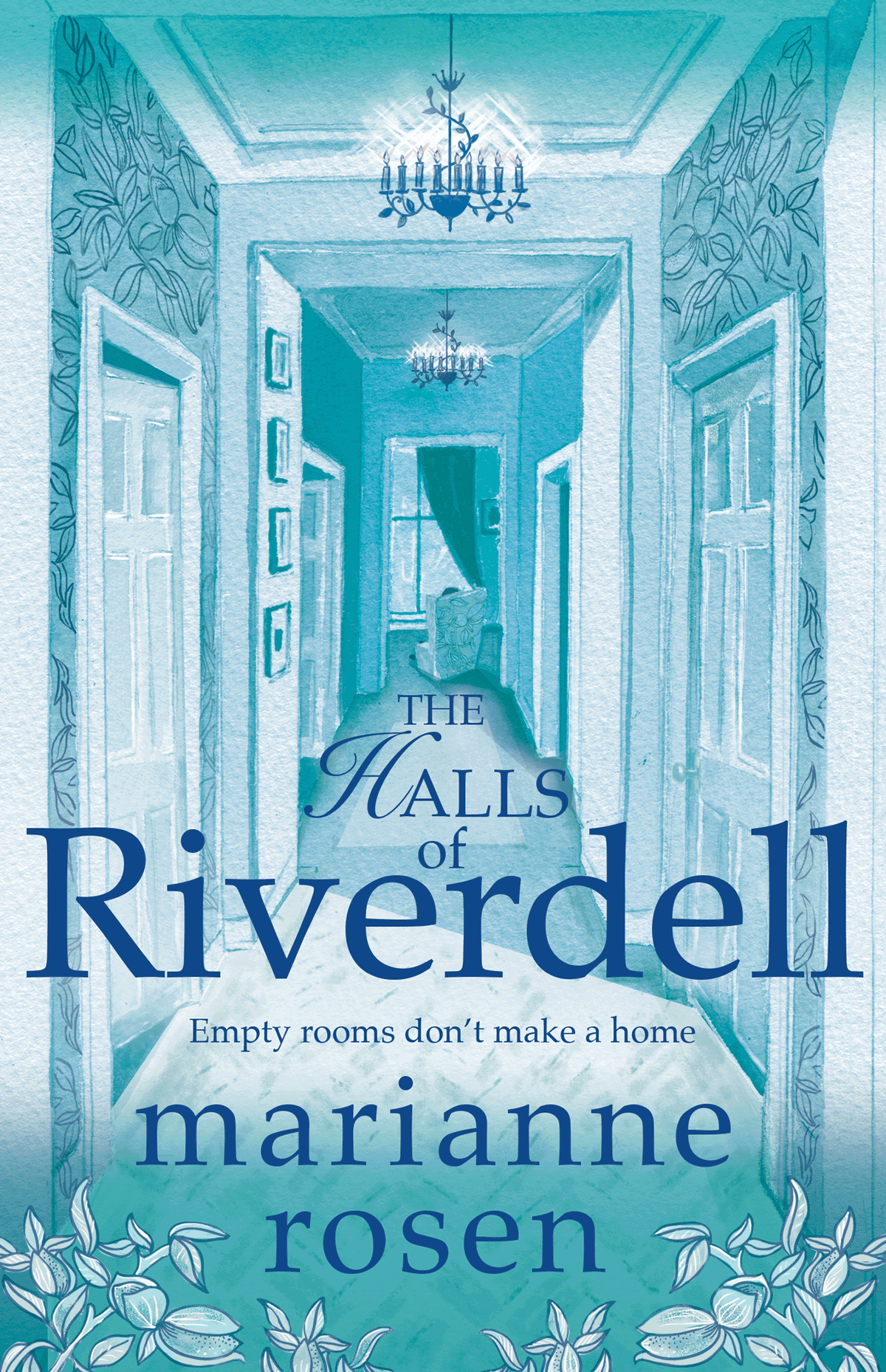
Building on the success of her first book, The Doors of Riverdell, Marianne Rosen has announced that the next thrilling instalment, “The Halls of Riverdell” is now available!
No more waiting for those of us desperate to know what happens next in a series which has been described as, “a sexy modern family saga reminiscent of Mary Wesley’s The Chamomile Lawn”.
The Halls Of Riverdell – Isabelle Threlfall is discovering that responsibility is only the start of her problems. Riverdell is in chaos, Asha and James need her help and Moth has slipped away in the midst. Sorting out the house and estate seem her only option but the empty rooms remind her that Moth is still missing.
Kit’s life has become a micro-managing extreme sport with Isabelle at the end of every list, but every tick closer takes him nearer to choices he’s not ready to face.
As Isabelle and Moth try to prove themselves capable, Beth is denying the painful reality of her married life in her letters home from India. But when the past catches up, will Moth and Isabelle run from reality or face up to it?
Walk the echoing halls of Riverdell as the family navigate the rapids of change.”
Both books are available in paperback or as an ebook via all good booksellers, or follow these links to the publisher, Oriel Books’, website to buy direct.
The second announcement comes via the publishers, Weatherglass Books. It’s the exciting news that Hay Writers’ Circle alumni and award winning writer, Jonathan Page will have his latest novel, Blue Woman, published by Weatherglass in Spring 2022.
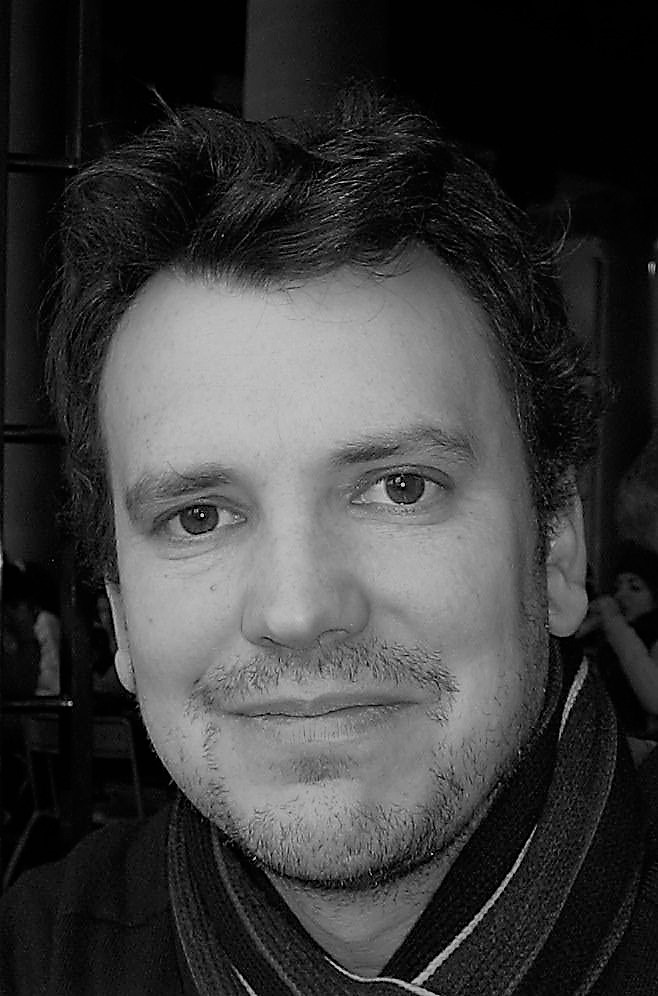
Jonathan Page
“Blue Woman is the fictional life of Rose Hartwood, an eminent 20th century artist. This beautiful novel charts the ebbs and flows of her personal and professional lives with great subtlety and sensitivity.
We follow Rose the artist, her rise from a bombed out house in wartime London to something close to fame in the late sixties. Then as her fame fades, she retreats to her rural hometown in Wales, where she continues to work and has an affair with a young artist twenty years her junior. Finally there is a third act, when others, her son, her lover, the trust founded in her name, gradually take on her legacy.
Blue Woman gradually reveals both artist and woman in their intertwined complexity: joy, struggle, determination, achievement, regret, the inheritances of love and the consolations of beauty.”
The Richard Booth Prize for Non-Fiction is an annual competition name after one of Hay-on-Wye’s most notable residents, Richard Booth, ‘King of Hay’. Richard was always a great supporter of books, Hay-on-Wye and local writers.
Sadly, Richard passed away in 2019, but his name lives on everywhere in Hay, including this writing prize which he so graciously sponsored during his lifetime.
This year we are delighted to confirm that the judge for our Non-Fiction Competition is Roland White.
Roland White spent 25 years at the Sunday Times as variously a feature writer, columnist, reviewer, editor, and leader writer. He was briefly Jeremy Clarkson’s commissioning editor, and most recently the editor of the Atticus diary column.
He has also been deputy editor of Punch, editor of Ski and Board magazine, royal correspondent of Germany’s Stern magazine for reasons he still doesn’t quite understand, and was Poet-in-Residence at Chat magazine before being replaced by a psychic dog. Which he didn’t see coming at all.
Without further delay, here are the competition details :
Our Non-Fiction competition is sponsored by The Hay Writers’ Circle.
Prizes for first, second and third places.
This is an open competition meaning ANYONE CAN ENTER
The closing date for entries is Tuesday 6th July.
Results will be announced in late July.
Word count for this competition is 600 words minimum and 1250 words maximum. The theme is entirely open.
Please use Arial Font 12, double spaced.
Your name must NOT appear on your entry. Please put your name, title and contact details on the booking form only.
Please put your title at the beginning of the entry. Please number your pages and secure them together if you are submitting a hard copy.
Each applicant may submit a maximum of two entries.
The results are final and correspondence will not be entered into over the results. All applicants shall be informed of the results.
The winning pieces shall be published on our website with the author’s permission. Publication may prevent eligibility for future competitions. All rights remain with the author.
If paying by BACS payment please make sure your payment is received, with your name on the reference, before the 6th July. Cheques will be accepted on the 6th July but must clear to validate the entry.
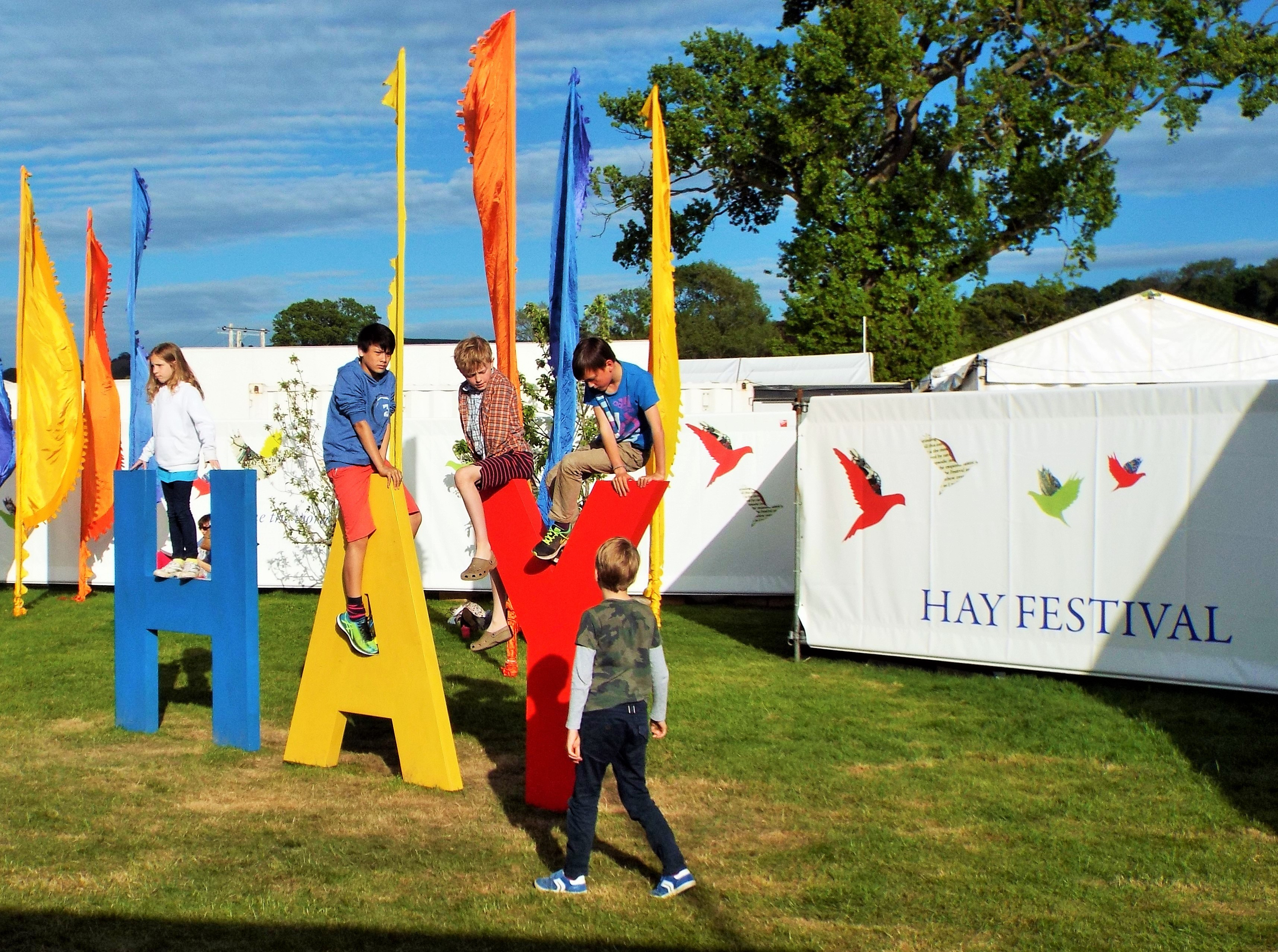
In other exciting news, it’s HAY FESTIVAL time! A glorious 12 days of discussion, books and more awaits anyone willing to log into this extraordinary literary festival.
Of course, this year it is once again the digital version, but that doesn’t stop everyone immersing themselves in sparkling discussion and fascinating conversation.
We are delighted to showcase some of the work by our 2021 Poetry Competition winners.
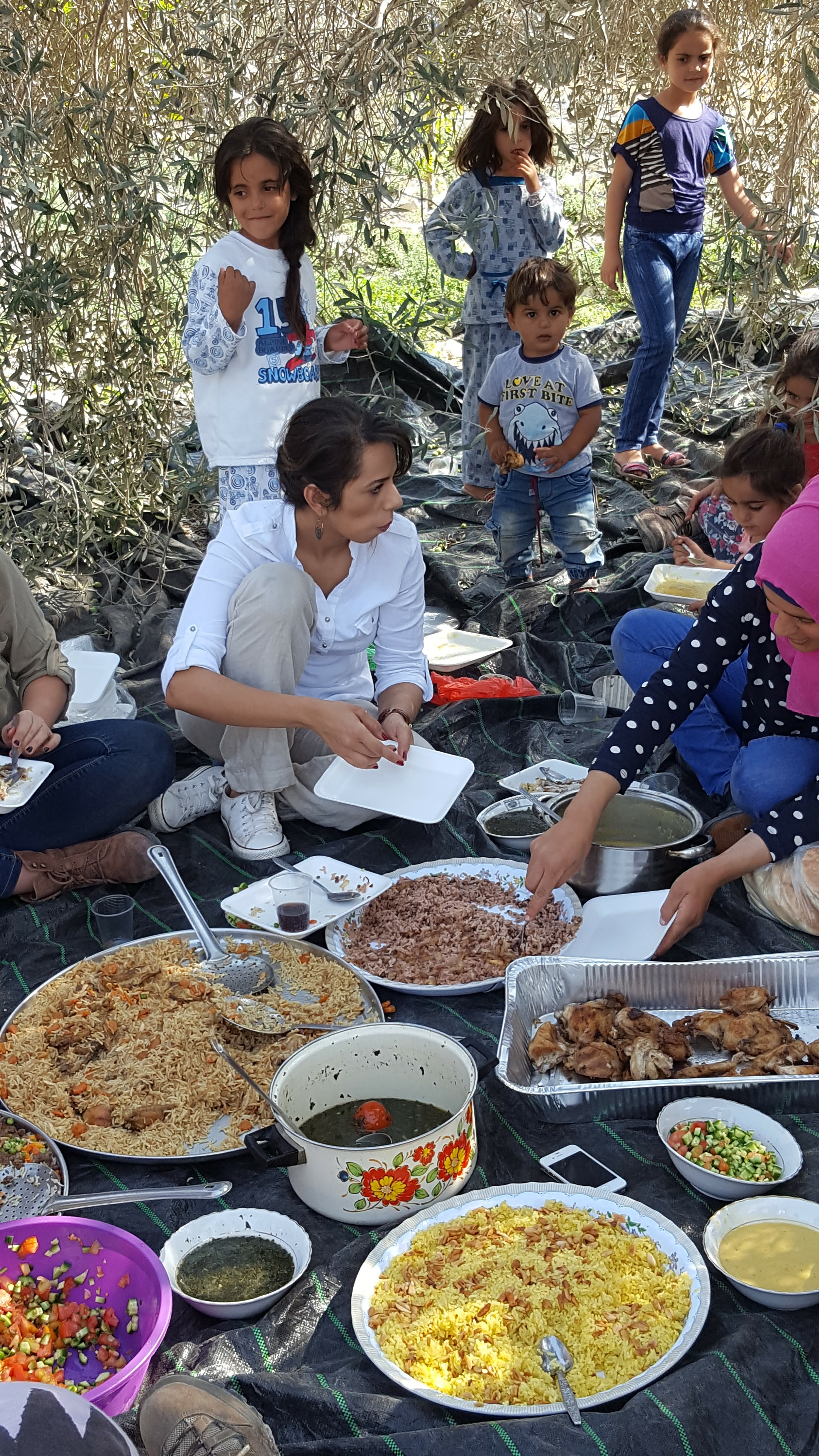
Ange Grunsell secured Third Prize with a poem inspired by time spent olive picking in Palestine with the Zaytoun, a Community Interest Company and social enterprise founded to support Palestinian farmers through fair trade. She has been kind enough to share some of her photos of the experience for inclusion here.
Photographs courtesy of Ange Grunsell
Olive Harvest 2016
In January 2021 the Israeli Occupation Force uprooted over 3,400 trees from land belonging to Deir Ballout, a village on the West Bank.
Old trees like old poems, speak new meaning to every age collecting time and histories in our branches. Destroy us at your peril: we are your lifeblood.
Under the dense curtains of the family olive tree, heavy with fruit, older than grandma’s grandmother, one of just four shaggy giants in the field the dusty black sheeting is spread. Young Mohamed is helping: it is his first harvest in his third year.
As fast as we stroke the branches dropping handfuls of smooth pellets of fruit into the bucket, Mohamed upturns the bucket with a grin. The olives roll down, snuggling into the folds of the ground sheets. gleaming shoals to be gathered later: nobody minds.
The older children swinging on the other side of the tree, tug at the branches strip off the olives in pelting cascades pattering on the ground. Mothers gather up the fruit into sacks checking the while the dinner trays stay covered away from fly or nimble fingers.
The bright new ladder with two sides raises two fathers together to new laughing heights, the long sharp pruning knife lies on the ground below. Khadiga observant, swift, outflanks a tottering Mohamed.
Old trees like old poems and new people collect new meaning as we grow cradle time and memory in our branches.
By Ange Grunsell
Second Prize was taken by Stewart Robert’s wonderful poem “A Bigger Splash“. When the winners were announced at the zoom meeting, Stewart remarked that this was the first poetry competition he’d ever entered. Congratulations Stewart – what a way to start! The inspiration for his poem came about during the first UK lockdown in March 2020.
A BIGGER SPLASH
The pool attendant is resplendent in his black uniform, trimmed with gold.
His post is voluntary though he and his family, receive board and lodging in return. The customers acknowledge his position. The rules are not written down, but clearly understood. Only one individual must bathe at a time. All sizes, all ages, all genders are catered for.
No water fights, no jumping or diving. Everyone waits their turn patiently and leaves promptly. Some are hesitant to enter the water at first; probing the temperature before immersing themselves The larger bathers often spend longer in the pool and prefer the deep end. They can make quite a splash.
Occasionally there is a new visitor, who doesn’t know the procedure. So the pool attendant lets them know In no uncertain terms. He tut-tuts loudly at those who leave debris in the pool And shoos away those who stay too long. All are welcome; large and small, young and old, black and white, coloured or grey.
Some are a little shy, Hiding their bodies or sneaking in When no-one is looking. The attendant only works daylight hours But the pool is open 24/7. At night there is a different clientele, that come and go under the cover of darkness But we won’t mention what they get up to.
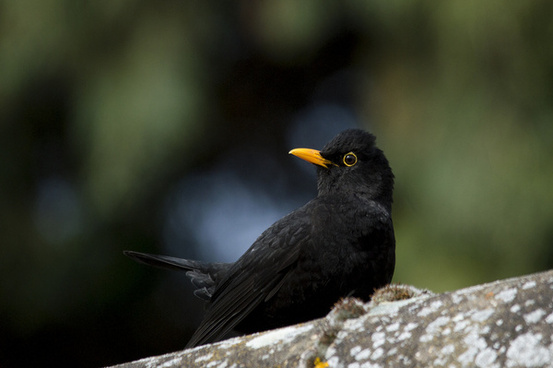
The blackbird Pool Attendant works for handouts and sings his praises from on high. Thrush and robin busk alongside him. Magpies and jackdaws flash their coloured notes. The collared doves and pigeons coo their thanks While blue tits and wagtails pay in kind. Collecting greenflies and other insects. A garden pond is a community asset.
By Stewart Roberts
Ojo Taiya won First Prize with his evocative poetry sequence “Conspiracy of Silence / Moira Camp: The New Colossus / Let Me Tell You a Different Story / Listen“. With this success, Ojo has entered his poems into another competition, so they cannot be printed here, but to satisfy our craving for his words here are some links to his published work online as well as details of his books.
We are delighted to announce the winners of our 2021 Annual Poetry Competition as judged by the wonderful Melanie Prince (ably assisted by Chris Prince), of The Poetry Bookshop, Hay-on-Wye.
Chris and Melanie Prince, The Poetry Bookshop, Hay-on-Wye.
This year we had a deluge of entries and we must thank our diligent judge for all the time spent reading these poems, writing the report and finally, selecting our winners. Thank you Melanie and Chris.
Without further delay, here are the results.
1st Prize – Conspiracy of Silence / Moira Camp: The New Colossus / Let Me Tell You a Different Story / Listen (sequence poems) by Ojo Taiye
2nd Prize – A bigger Splash by Stewart Roberts
3rd Prize – Olive Harvest by Ange Grunsell
Congratulations!
Ojo Taiye photo c/o lagospoetryfestival.com
Along with the accolade of coming first, Ojo Taiye receives the £100.00 prize for his winning poem, which this year has been kindly sponsored by Emma van Woerkom.
Emma writes, “There’s been a fantastic response to the Hay Writers’ Circle Poetry Competition this year. Once again, Hay-on-Wye has crossed international boundaries, bringing together a diverse array of exciting new voices. It’s always my absolute pleasure to promote poetry. Many congratulations to Ojo and all our Poets, whose words are worth their weight in gold.”
Judge’s comments:
“How wonderful there were so many entries; so many different ways of looking through language at the world. Although this obviously made our choice so much more difficult!
If we haven’t picked your poem, please remember we are booksellers & readers only, & not professional critics. We have chosen as we have, not because we believe there is a right or wrong, but, simply in the subjective terms of personal taste.
3) Olive Harvest 2016 We enjoyed this powerful present tense narrative poem but felt it is, for us, ironically weakened by the anthropomorphic opening & closing sections. Basil Bunting famously advised “Never explain – your reader is as smart as you”. Certainly if you read it without them, the title strapline hangs like a black cloud over the poem’s idyll.
2) A Bigger Splash With an excellent title & rug-pull denouement, this light, witty poem sustains its humour & allegorical tone as well as an economic descriptive clarity throughout. Although in the end we decided otherwise, & I hope the poet will forgive us for this; we were both agreed it would have been a worthy winner.
1) Conspiracy of Silence / Moira Camp: The New Colossus / Let Me Tell You a Different Story / Listen Insisting upon our attention, struggling to make some fractured sense of exile & loss; with their unexpected word choices & nascent scrum of images that clash or seem to loom as if disembodied from the text, these concerned, questing poems, display a potent combination of material & linguistic qualities. Half-meanings, dislocation even posturing are part of the substance of such ambitious & striving poetry. Readers must opt whether to engage with it &, make their own sense of much, if they do. Active reading of this kind can frustrate & reward in equal measure so will not be for everybody. However, perhaps being caught up in the mesh of words that is a poem actually is, for some, the whole idea & happens because what we want most is to be intrigued?
Maybe, this strange, stalled life we have been enduring at one remove from a hollow world without significance for any of us beyond our enforced absence from it, is almost inevitably, more responsible for our choices than anything else? Be that as it may, in addition to their wordplay, we hope you find all three poets’ work of real interest.
If you will forgive the plug! Reading as widely as possible is by far the most important writing skill; allowing you to discover common ground with potential readers &, with it, the possibility of creating resonant work.
Finally, we’d like to congratulate not only its winners, but all of you who entered. Best of luck with your writing,
Melanie & Chris.“
Some of the winning poems will be published in the coming weeks, but for now let’s all revel in the results!
We are thrilled to congratulate our recent judge for the 2020 Frances Copping Memorial Prize for Fiction, Kandace Siobhan Walker, who was named winner of The White Review Poet’s Prize 2020/21. Her wining poetry portfolio was judged by Jay Bernard, Emily Berry and Kayo Chingonyi and will appear in the forthcoming issue of the White Review.
DON’T FORGET OUR 2021 HAY WRITERS’ CIRCLE POETRY COMPETITION CLOSES TUESDAY 16TH MARCH. ***EVERYONE WELCOME – £100 FIRST PRIZE*** CLICK HERE FOR DETAILS
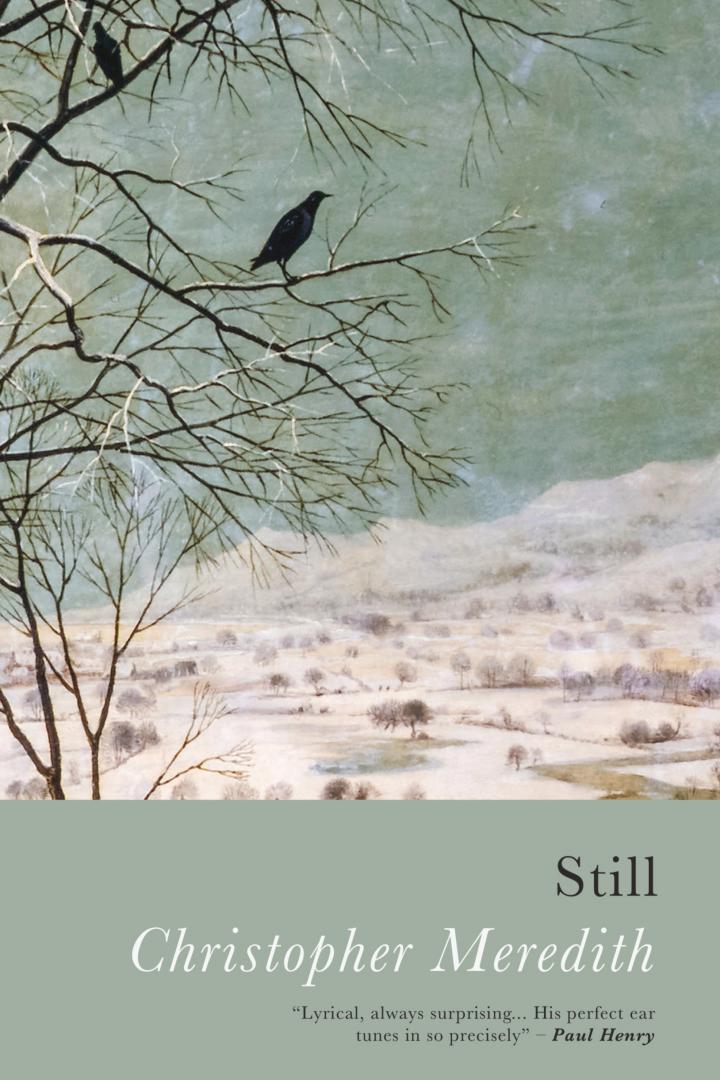
Also on 8th April 2021, our 2017 Poetry Competition Judge, Christopher Meredith will be celebrating the release of his latest volume.
‘Still’ published by Seren Books, explores “the web of meanings in the word ‘still'”.
Seren Books 2021
“Still builds on Meredith’s previous collection, Air Histories, shifting between the personal and impersonal, developing a characteristically wide range of forms, techniques, settings and moods from quirky to serious, while increasingly an underlying coherence of vision emerges. Many of the poems feature Welsh landscapes and settings, in common with much of the author’s previous work.” Seren Books.
Still is published simultaneously with Meredith’s new novel Please. Buy them both at the discounted price of £15.00 from Seren Books here.
Don’t forget to subscribe to our quarterly newsletter. Enter your email address in the box below.
Hay Writers’ Circle are excited to announce that the wonderful Melanie Prince of The Poetry Bookshop has agreed to judge our 2021 Poetry Competition.
Chris and Melanie Prince, The Poetry Bookshop, Hay-on-Wye. Photo credit: Developmentbank.wales
Melanie was a 2015 Costa Book Award Judge and we are thrilled to have her as our Poetry Judge this year.
“The Poetry Bookshop, which is owned and run by Christopher and Melanie Prince, specialises in every aspect of poetry; antiquarian, second-hand, out of print and now new publications. Opened in 1979, the Poetry Bookshop is the UK’s only bookshop dedicated to poetry and one of the longest established bookshops in the town of Hay. Titles sold at the store range from Keats, Byron and Shakespeare through to modern poets like Rupi Kaur, Luke Kennard, Rhiannon Hooson and Kate Tempest.”
Even during lockdown, the Poetry Bookshop has found lots of innovative ways to fill your poetry fix – Follow the link – https://poetrybookshop.co.uk/by-appointment/ Contact 01497 821812 or email info@poetrybookshop.co.uk
*** STOP PRESS – 1st Prize £100 ***
This year we are fortunate to have an anonymous sponsor who has elevated our 1st Prize fund to a glorious £100. Prizes for 2nd and 3rd prizes are £25.00 and £15.00 respectively.
The theme of the Poetry Competition is open and anyone is welcome to enter
The Deadline for The Hay Writers’ Circle Poetry Competition 2021 is Tuesday 16th March – Results will be announced in April.
The Poetry Competition Entry Requirements and Entry Form are available to download via the following link.
Nina was sitting in the management meeting. The siren of a fire engine started up and as it accelerated past the building, it momentarily halted the insipidly antagonistic discussion of visitor statistics. She wrote, ‘And it’s breaking my heart ‘cos he’s not you,’ in the margin of her pad and then carefully blocked it out again lest her young assistant should see it. She tried to refocus her attention and stared hard at the new area manager who exuded discomfort.
The last manager had been very different. He had dark eyes and creamy skin, he wore clothes in colours that suited him and a single chunky earring. If team meetings with him were dull she would slowly mentally undress him. His firm buttocks were a feast. He had left, of course, as all the good ones did. Goodbye buttocks. She shifted on the second – hand office chair. As for his replacement with his hipster trousers and tank top, didn’t he know this was 1990?
At least she could look forward to seeing her old friend Leonard on Monday. Leonard was always there. He would always be there because he was hardly ever there. She saw him perhaps twice a year. Occasionally it was more than that, in many years, less.
She began to list things to do at the weekend, that would leave Monday clear. She sat imagining his smell and his smile. When she was with him he made her feel as if anything could be possible, for her, for him, only not yet. He loved life with the energy of two people.
After the meeting she went up to the library and began checking materials on the bookstand ready for the drop-In session. Leonard had visited the Centre once. He had parked his Mercedes in the street next to the ironmonger’s lorry loaded with Calor Gaz cannisters. Tall in his camel coat, he looked too large for the room. He had little to say about the resources. He said it reminded him of a teachers’ common room: shabby but relaxing. The teachers who used this library had staff rooms not common rooms, and the staffrooms she knew were mostly far from relaxing places.
‘Oh Leonard, you with your law firm and your sons at public schools. You may live in the same city, but you don’t see the same city at all,’ she said to the flip chart as she carried it across the floor and set it down in the corner by the window.
Standing on the tube platform on the way home from work, Nina watched the children of the two cities moving side by side. It was almost as if they lived in parallel universes, so invisible did they seem to be to each other. Fourteen- year- old public schoolboys carried new leather bags, wore white shirts and old – fashioned black shoes. Tall and glossy, some joshed each other, others raptly played on Game Boys. The boys from the Comp, mostly smaller and more vulnerable looking, blundered past her in huge half laced trainers and baggy tracksuit bottoms, swinging cheap and dirty sports bags or rucksacks. They pushed and shoved each other and the unpredictability of their movements made people stand back as they passed. Should Leonard’s son and her own coincide here, even if they noticed each other, they would discount each other as types you wouldn’t talk to.
The tube was packed. She squeezed herself into a seat next to a pair of legs, spread wide in black jeans, with an elbow on the arm rest. The knees moved up and down as the arm vibrated with a rhythmic chattering and buzzing from a Walkman. The upholstery pattern on the opposite seat, painstakingly patched, was the same as when she was sixteen years old, wearing a velour hat, balancing a lacrosse stick in her gloved hand.
She had first met Leonard at that time. Then they had both lived in the same city: a city of coffee bars and Saturday night parties in the houses of parents, away at their country cottages for the weekend. He had initiated their romance with a Valentine written on a scrap of lined paper, delivered by a friend.
‘Someone you probably don’t remember but who remembers you.’
This was after they had met at an inter-school debate: this house believes that God is dead. God was most certainly dead, so far as Nina was concerned, when she got to know Leonard.
She had lived for Saturdays when they would cross the city on the tube to be together. How she had savoured the shape of the week: the yearning, the wait, the crescendo of anticipation as Saturday drew close. Everything was tolerable, even the cold, wet lacrosse matches on cold, wet fields, because everything could be observed, distilled, transformed into anecdotes to share. ‘Be thou my vision oh Lord of my heart, nought be all else to me save that thou art,’ she sang in Assembly, her Prefect’s badge shining on her mohair sweater.
Many years later it was she who had renewed contact, after seeing his name on an office door plate, in the suburb where her mother lived. She sent him a card on his birthday:
‘Someone you probably don’t remember who remembers you.’
He phoned the next day and they met soon afterwards. Since then it had just continued. She would summon him up with a card or a phone call and off they’d go and lose themselves for a day. On the days when they met, he would talk to his secretary on the car phone, while she sat beside him, invisible, two inches away from his expensive woollen sleeve, breathing in the slight clean smell of designer after shave. He told her about his financial ventures, his business worries, the problems he had with his wife and the marvels of his lover. She told him something of why she had chosen to work with kids he would term dropouts, with truants, with so-called disruptive pupils. Surely Leonard could see the criminal justice system should make people better, not worse?
And so it was that once again she found that Leonard was always in her mind.
‘Thou my best thought by day or by night, Waking or sleeping thy presence my light.’
When she wrote in her journal it was to explain her life, her choices, her views to him. There was no end to what Nina told him about but didn’t send. Not only, how she watched the blackbirds steal the berries from the pyracantha bush in the early morning. But why it was absolutely necessary for teachers to go on strike; why she had supported the miners actively and opposed the war in the Falklands; why the SUS laws were an abomination, what had happened to Leroy, arrested on his way to Celia’s wedding. It had felt indecent to go on too much about Maggie Thatcher when on one memorable occasion he took her for a glamourous lunch at the Grand Hotel in Brighton. But nevertheless, presenting her views to him in unsent correspondence, somehow mattered. How could she bring alive for him, the world of corner shops, of Friday night pay packets and of none? The world of benefits and pubs, of loan sharks and predatory police. The world of dirt and squalor, of diversity and fun. The world of children like Kliantis and Ahmed, of Kwai Fung dancing on the pavement in the snow and Saedda making it at Anna Scher… all of whom lived on her street.
What a shock it had been to enter that unknown other city, the same but different city, in which she had lived since 1970. The world of the inner city, whisper it, had felt as alien as the town in Sudan where she had worked. She wished she could share her guilt that she had deprived her daughter of the educational advantages she herself had enjoyed. Not, of course, that she was short of friends to talk to: friends who made jokes about solicitors and hated people who owned Mercedes and sent their children to private schools.
Monday
Monday mornings were one of the worst danger zones in family life. Her husband always discovered he had no shirts ironed. At breakfast time, shirts would get hurled across the kitchen, sometimes falling into the cat’s dish, so that they needed washing again. She wondered whether Leonard, on the other side of the city was throwing his shirt across his kitchen. Probably his wife ironed his shirts, or paid someone to do the ironing.
Things were going nicely and the sun was shining. The phone rang. It was Leonard. A major professional problem had arisen. He wouldn’t be able to meet her. He was very sorry.
Nina switched on the radio. It was the morning service.
“Oh God our help in ages past; our hope for years to come.”














 THE HAY WRITERS