Announcement – Richard Booth Prize For Non Fiction 2022

*STOP PRESS*

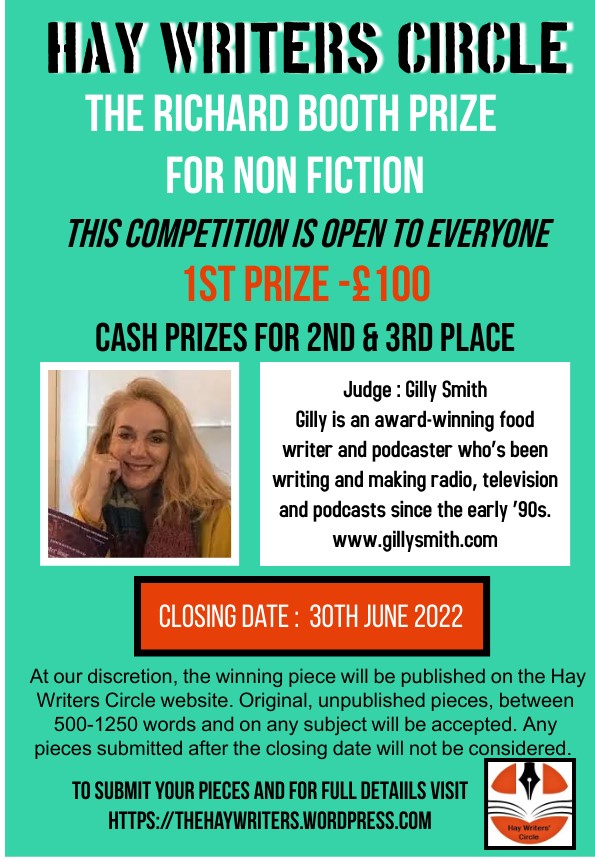
Submissions are now invited for our annual Non Fiction Competition, The Richard Booth Prize 2022, named after one of Hay-on-Wye’s most notable residents and it’s self proclaimed ‘King of Hay’. Richard was always a great supporter of books, Hay-on-Wye and of course, local writers.

Sadly, Richard passed away in 2019, but his name lives on everywhere in Hay, including this writing prize which he so graciously sponsored during his lifetime.

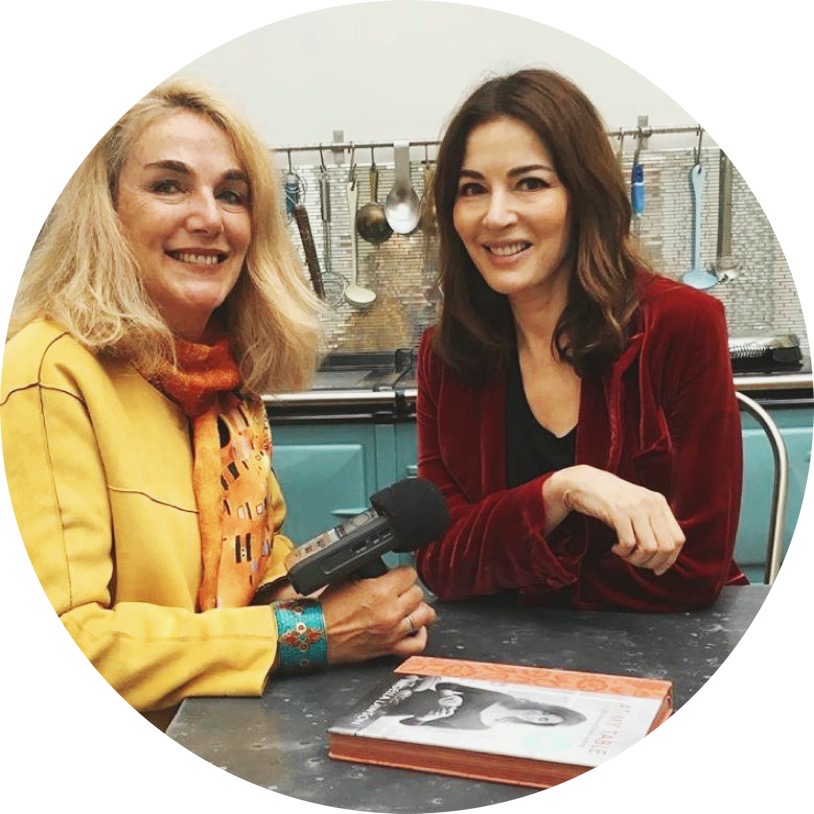
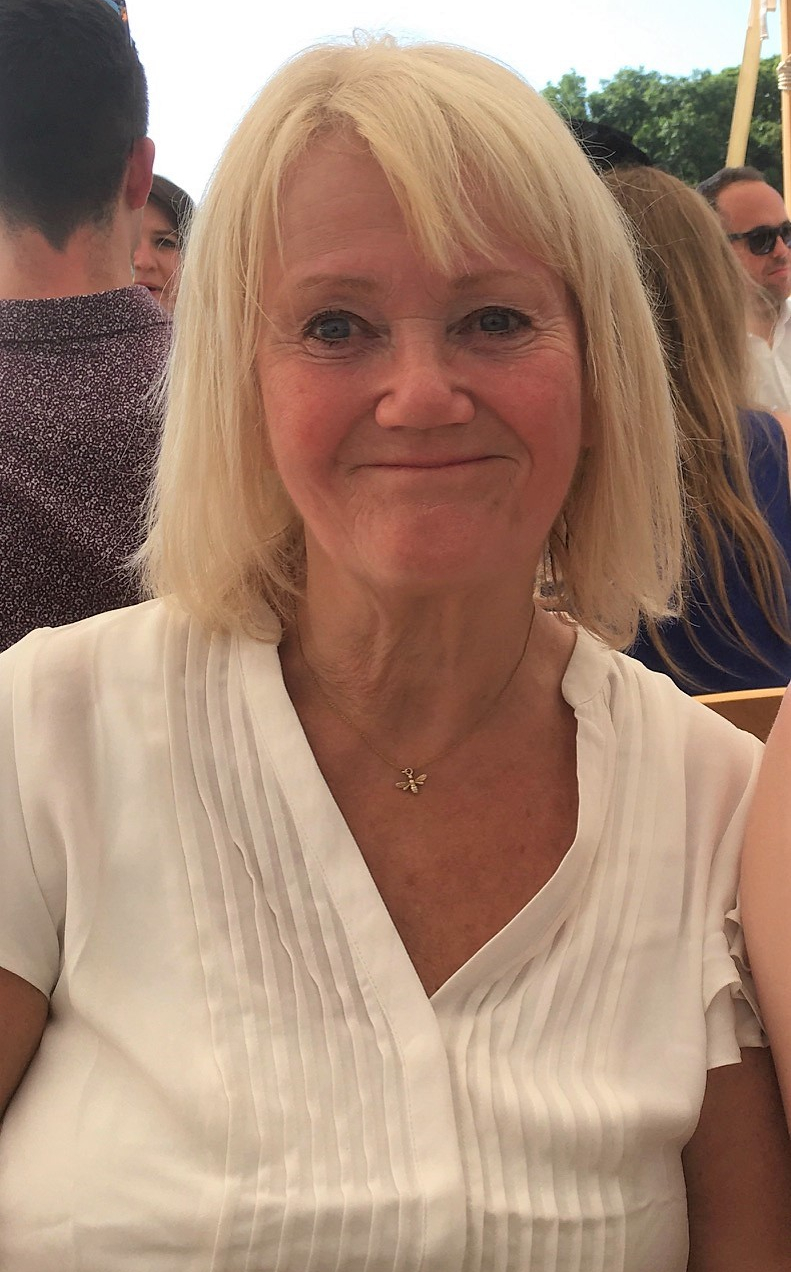
This year we are honoured to confirm that the judge for our Non Fiction Competition is Gilly Smith, an award-winning food writer and podcaster who’s been writing and making radio, television and podcasts since the early ’90s.

Gilly written lots of books, mainly about the influence of culture of food in its various forms, as well as articles for the national press and academic journals, largely about food, philosophy and ethical travel. Her book, Taste and the TV Chef won the 2020 Gourmand Award for best UK food writing and the International Impact Award 2021.

She’s also the producer and presenter of a number of podcasts including:

Cooking the Books with Gilly Smith , the delicious podcast ,

Leon’s How to Eat to Save the Planet 

*NON FICTION COMPETITION – FIRST PRIZE £100*

The first prize of £100 has been generously sponsored by an anonymous donor, with additional cash prizes for 2nd and 3rd placed pieces.

Without further delay, here are the Non Fiction Competition details :

This is an open competition meaning – ANYONE CAN ENTER

The closing date for entries is Thursday 30th June 2022. Any entries received after this date will not be considered. The results will be announced at the end of August. 

We would like original, unpublished work.

Word count for this competition is 500 words minimum and 1250 words maximum. The theme is entirely open.

Please use ONLY Arial Font 12pt, double spaced. 

Your name must NOT appear on your entry. Please put your name, title and contact details on the booking form only. 

Please put the title at the beginning of your entry. Please number your pages and secure them together if you are submitting a hard copy. 

The results are final and correspondence will not be entered into over the results. All entrants will be informed of the results.  

At our discretion, the winning entry will be published on the Hay Writers Circle website. Publication may prevent eligibility for future competitions. All rights remain with the author.  

The entry form and full competition details can be downloaded here –

GOOD LUCK!!

Don’t forget our Hay Festival event, number 212, takes place at 2.30pm on Wednesday 1st June in the Summerhouse. It’s a FREE but ticketed event, so please click on the following link to secure your ticket.
TICKET FOR EVENT 212

Posted in Uncategorized | Tagged , , , , , , , , , , , , , , , , , | Leave a comment

Hay Writers’ Circle at Hay Festival, 2022

We are thrilled to announce that Hay Writers’ Circle will be performing at Hay Festival 2022.

Our event, number 212, takes place at 2.30pm on Wednesday 1st June in the Summerhouse. It’s a FREE but ticketed event, so please click on the following link to secure your ticket.

TICKET FOR EVENT 212

Hay Writers’ Circle have a number of talented authors in our group and those performing at this year’s festival will be showcasing a variety of exciting new works including short stories, poetry and extracts from newly published books. We are positive you will want to be there to enjoy their stirring creations and take advantage of getting a book signed too.

A huge thank you to Hay Festival.
We cannot stress enough how grateful we are for Hay Festival’s continued support of our group.

The entire Hay Festival 2022 programme is available online at : https://www.hayfestival.com/wales/home

Get booking and hope to see you there!

Posted in Uncategorized | Tagged , , , , , , , , , , , , , , , , , , , | Leave a comment

Gladstone’s Library Reading Rooms, March 2022

by Emma van Woerkom

Silence is Golden

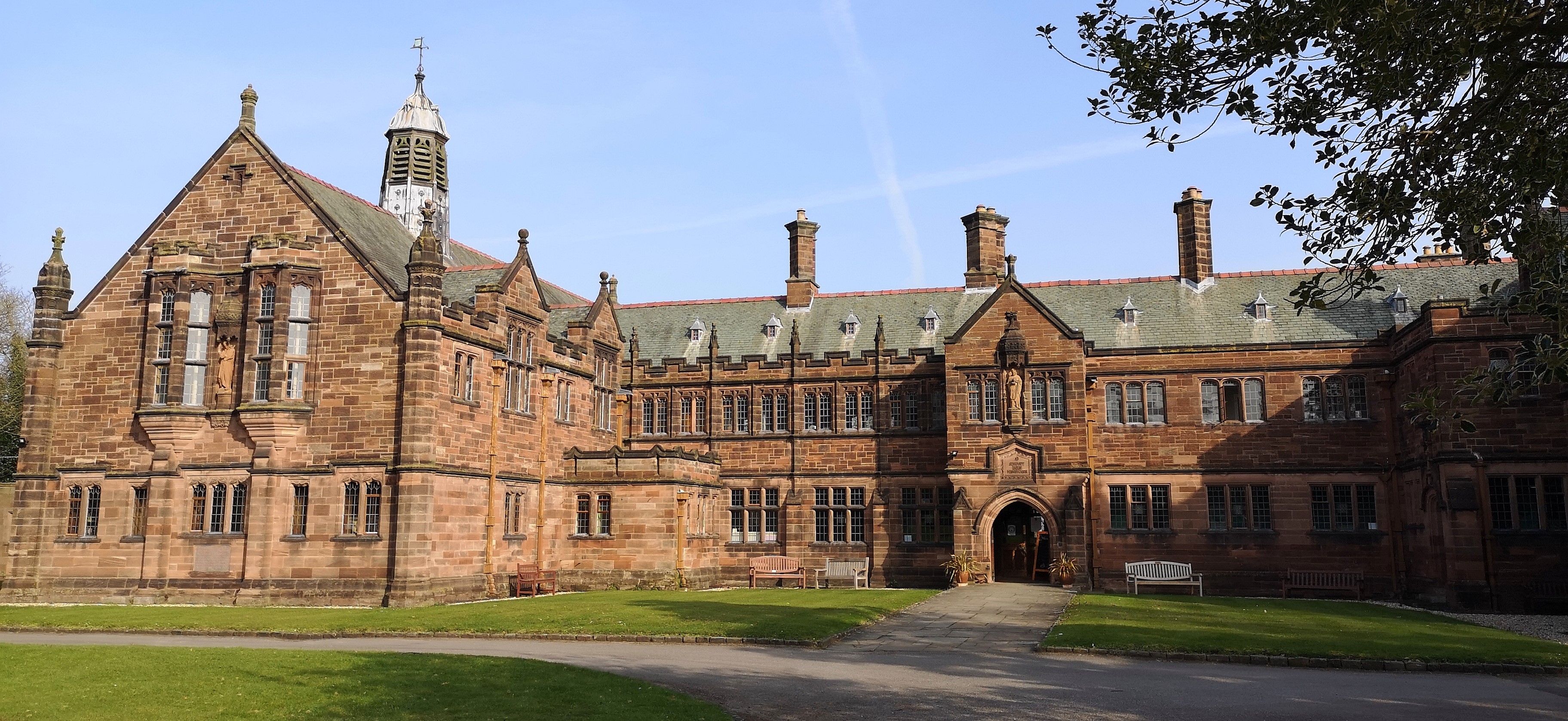
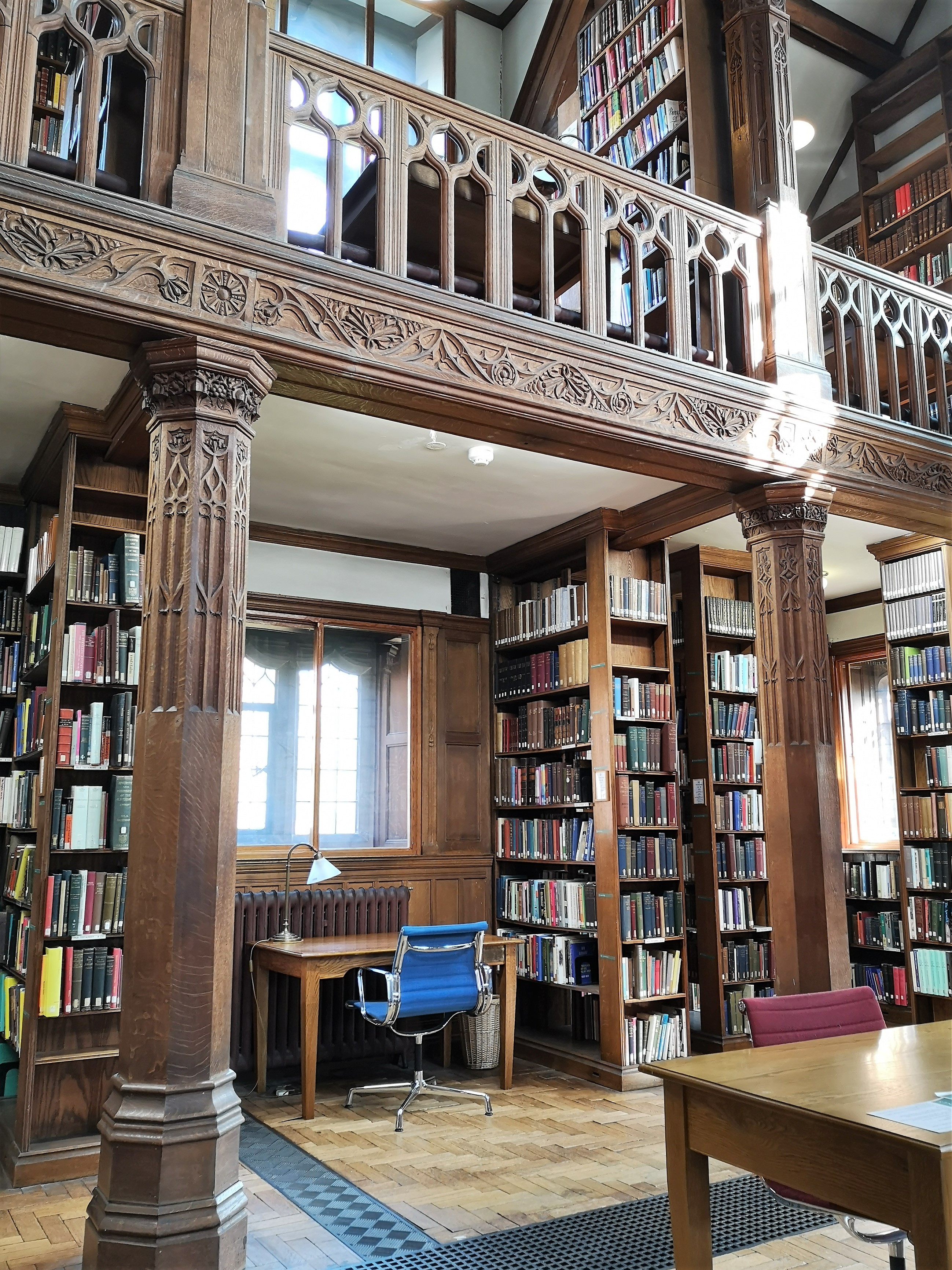
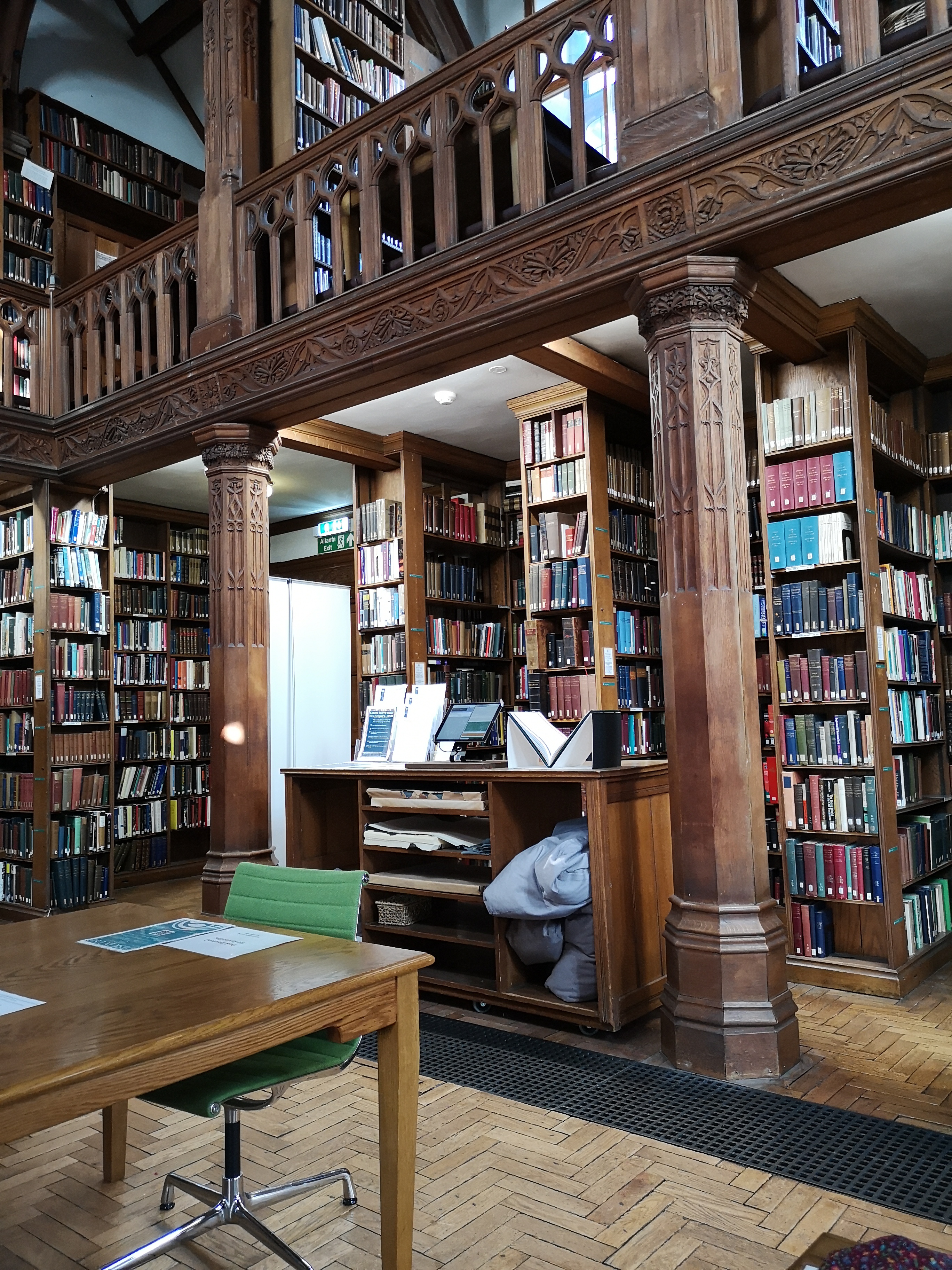
It is always a treat to spend many hours in the quiet company of books. Needless to say, my visit to Gladstone’s Library has been nothing short of a revelation. Not only are the buildings and surrounds beautiful, the library staff seamlessly knowledgeable and helpful, but the excellent quality of the reading stock and quiet places in which to read are to be applauded.

Planning ahead and using the online ‘Main Cat’ search facility honed my inquiries, (for anyone wishing to explore the volumes owned by Gladstone himself, use the website’s  ‘Glad Cat’ search). Of course, there were some registration forms to complete, proof of ID etc, but this is all quite standard for viewing rare volumes. I found the process slightly easier than registering for the British Library Reading Rooms.

The heart of Gladstone’s Library harks back to its high Victorian roots. Rich wooden bookcases, pillars, galleries, and a lofty vaulted ceiling where natural light pours in. Individual desks are located on both floors, along the main centre concourse or positioned in discreet niches in between the heaving book cases. Not wishing the leave the 21st Century totally behind there is excellent access to Wi-Fi throughout the building complex, plus scattered plug points for ailing laptop batteries.

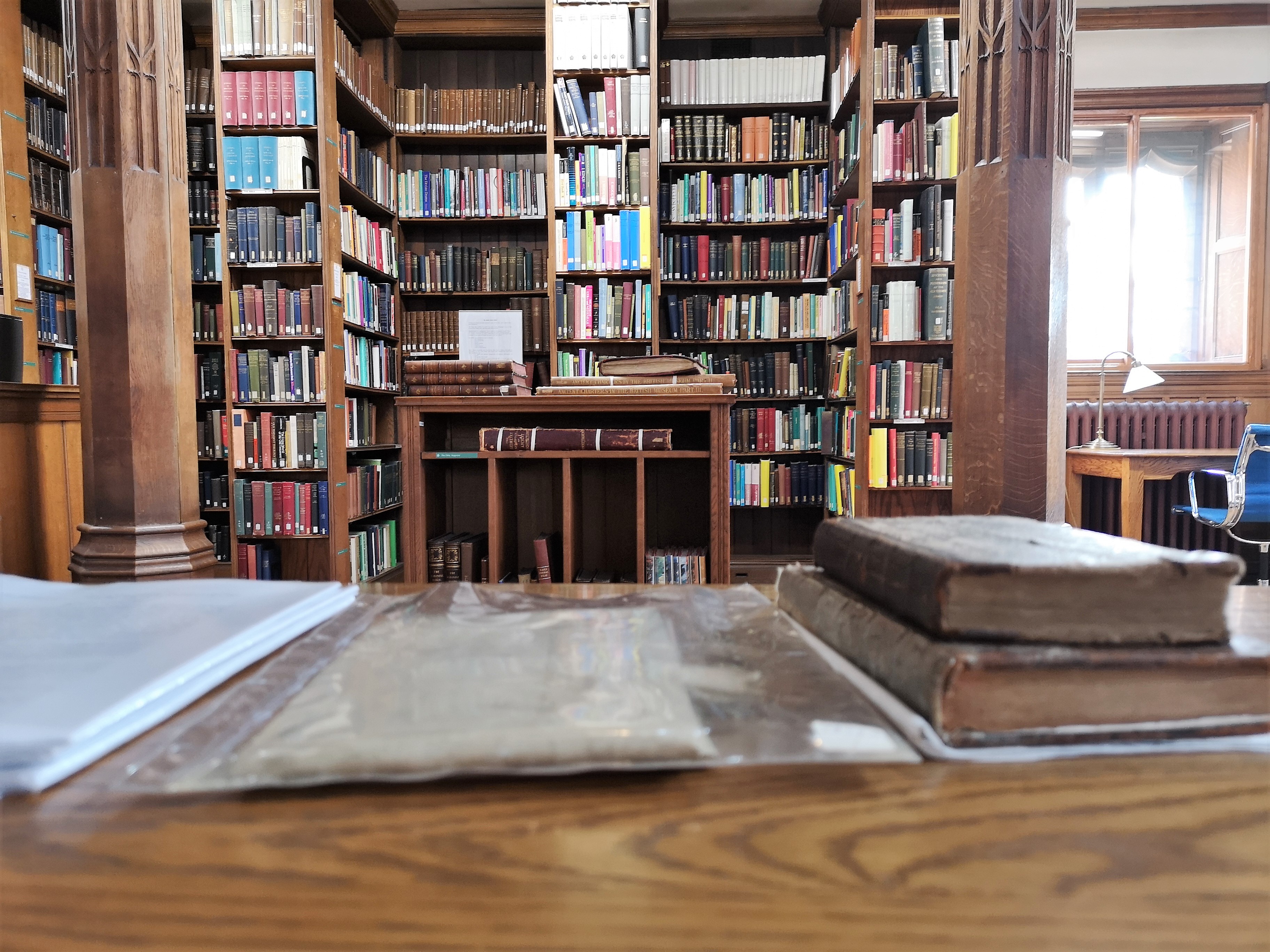
When I arrived, everything was ready and waiting for me. I had a whole table to myself right at the centre of the library’s ground floor, complete with a comfortable chair, book pillow and snake weights – I find it’s important to have enough space to spread your material and some modicum of seated comfort for the hours of research and reading ahead. My first selection, an original 3 volume publication from 1761 appeared and away I went.

This library is so in tune with its readers, possessing an easy quiet atmosphere so conducive to concentration, that three hours slipped by without my notice. I returned after lunch to my desk exactly as I had left it, eager for my second selection.

One of the great delights of research is the discovery of new links to your source subject. At Gladstone’s, Teresia Constantia Phillips led me to Hestor Chapone, who in turn led me to her correspondence with Samuel Richardson. So, was there also a printed copy of Richardson’s Letters at Gladstone’s too? Yes! And as quickly as it arrived at my desk, I found mention of Teresia again – the circle complete!

With a little time to spare and the “when in Rome” attitude, I decided to treat myself to requesting a large, beautifully illustrated volume from the History Room, which is located just off the main library. The book was set out for me on a table next to a window. In the peaceful afternoon sunshine, the colours of this illustrated volume just glowed – what a thrill for this book lover.

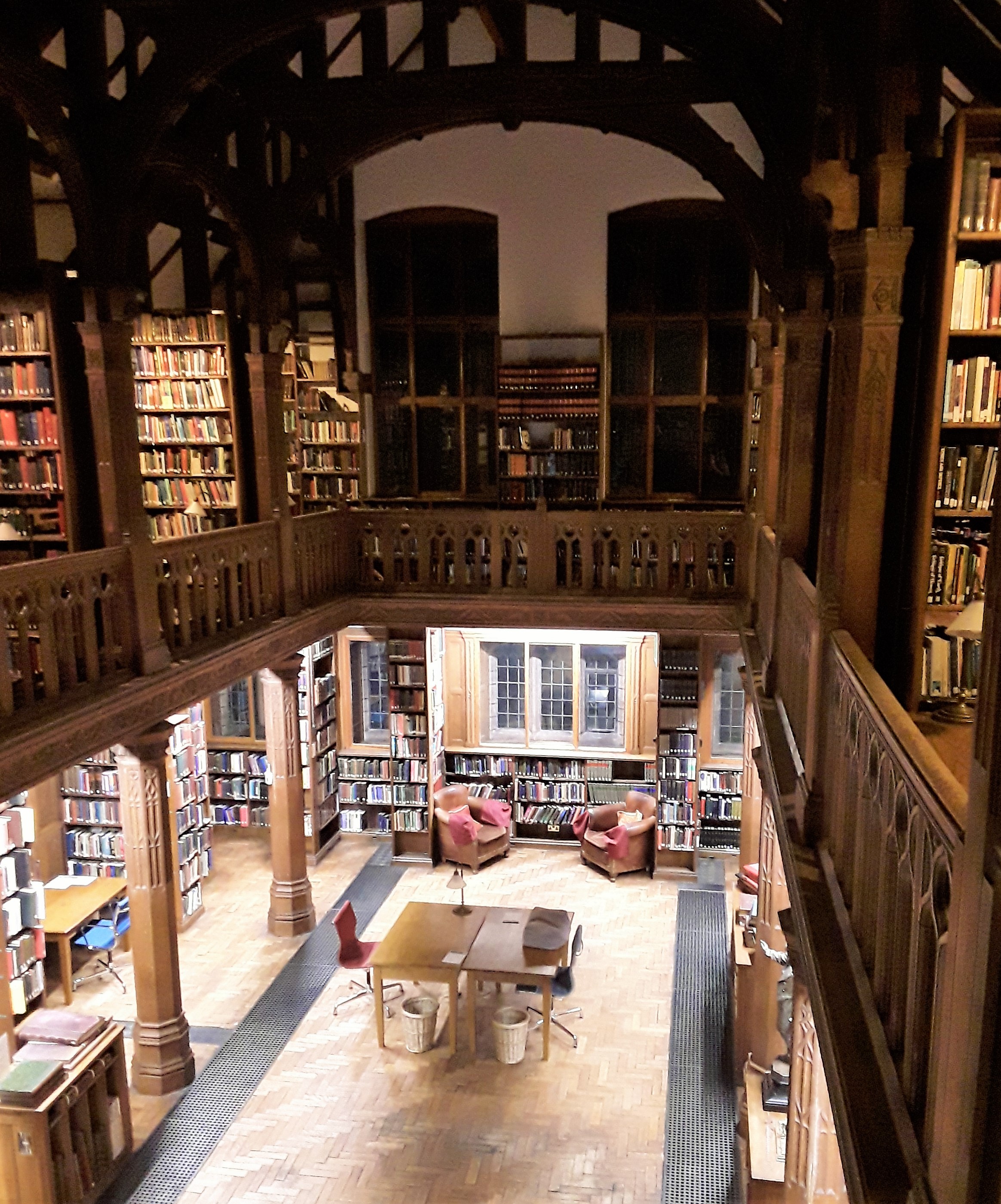
If you are staying at Gladstone’s Library overnight then don’t forget to take a walk around the library just before it closes at 10pm. It is a wonderful atmospheric experience.

Gladstone’s Library after dark.

A special thanks for making this visit to amazing goes to my fellow travelling Hay Writers
and to all the Staff at Gladstones, especially Isobel Goodman, Assistant Librarian.

For more information on Gladstone’s Library Reading Rooms
CLICK HERE

or go to https://www.gladstoneslibrary.org/

Posted in Uncategorized | Tagged , , , , , , , , , , , , , , , , , , , , | Leave a comment

Poetry Competition 2022 Deadline Looming

It’s a little over a week to go before the deadline of our annual poetry competition, but that means there’s still plenty of time to enter. If you’ve a verse hiding a drawer, an ode to a favourite pet, a ditty about a car or a haiku on Lockdown, we’d love to see it and it could win a cash prize too!

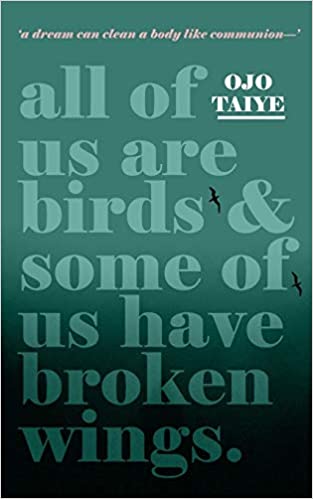
Ojo Taiya won First Prize in 2021 with his evocative poetry sequence “Conspiracy of Silence / Moira Camp: The New Colossus / Let Me Tell You a Different Story / Listen“. With this success, Ojo entered his poems into another competition (so they cannot be printed here), but to satisfy our craving for his words here are some links to his published work online as well as details of his book.

http://malarkeybooks.com/poetry/prosthesis-by-ojo-taiye

Podcast:

http://strangehorizons.com/podcasts/podcast-poetry-of-the-nigerian-sff-special/

Don’t forget it’s an open competition open to everyone, poems up to 40 lines in length and on any subject can be entered. Our judge, Dr Jack McGowan, Senior Lecturer in Creative Writing and Head of Department of English, Media & Culture at the University of Worcester, is eagerly waiting to choose his favourites.

Details on how to enter can be found on our Competitions Page or by downloading this link –

Good Luck!

Posted in Uncategorized | Tagged , , , , , , , , , , , , , , , | Leave a comment

Double Book Launch for Hay Writers’, Mark Bayliss

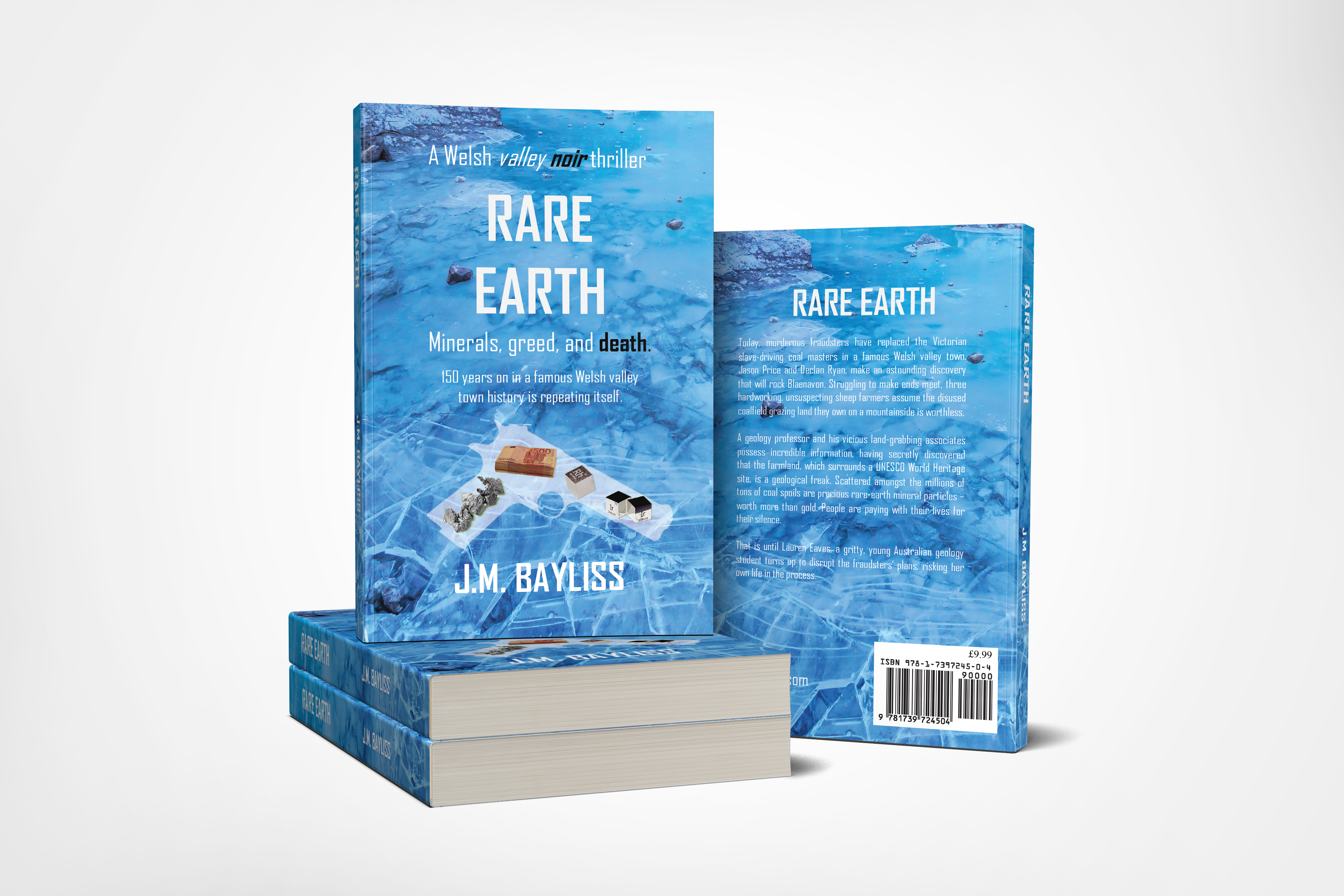
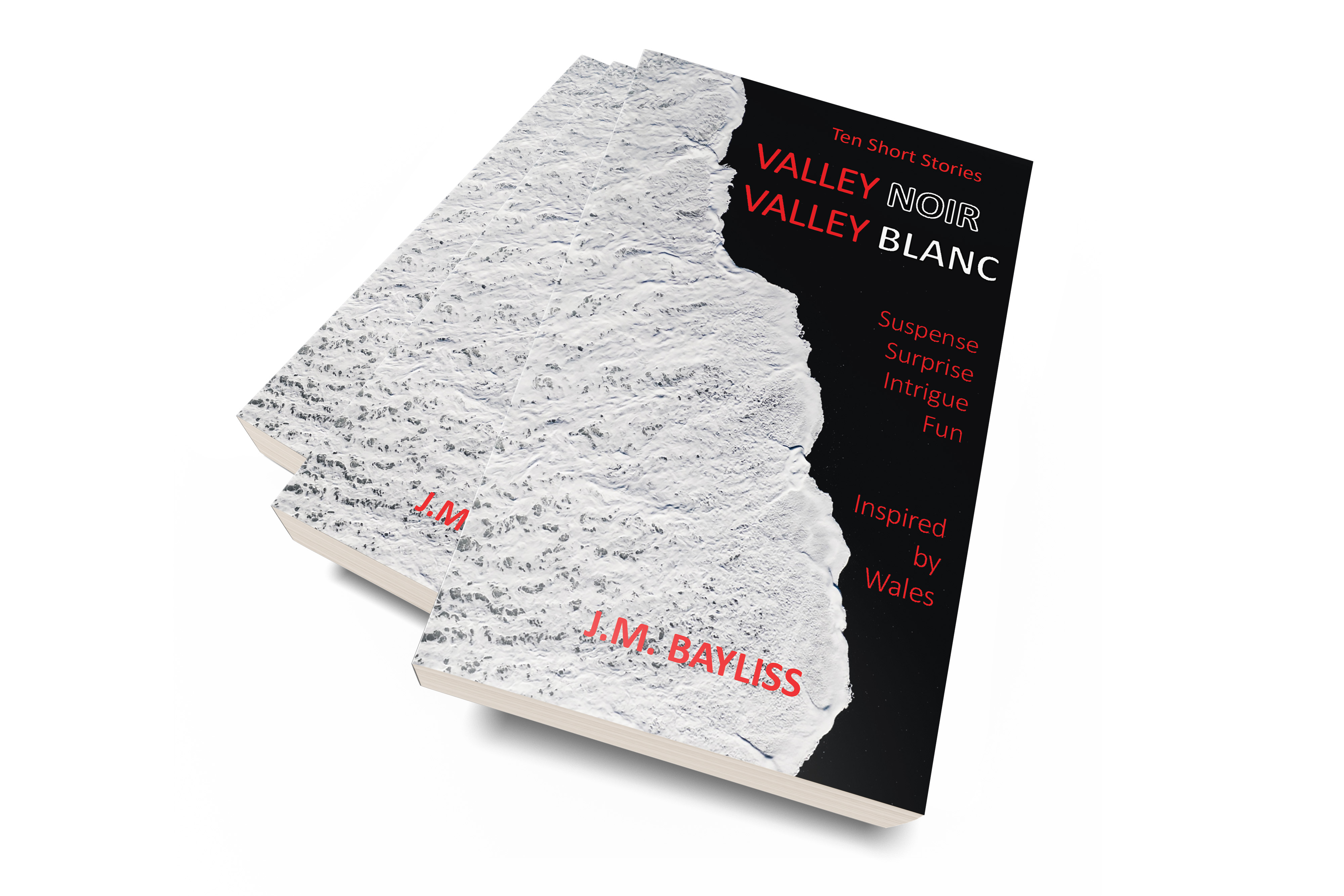
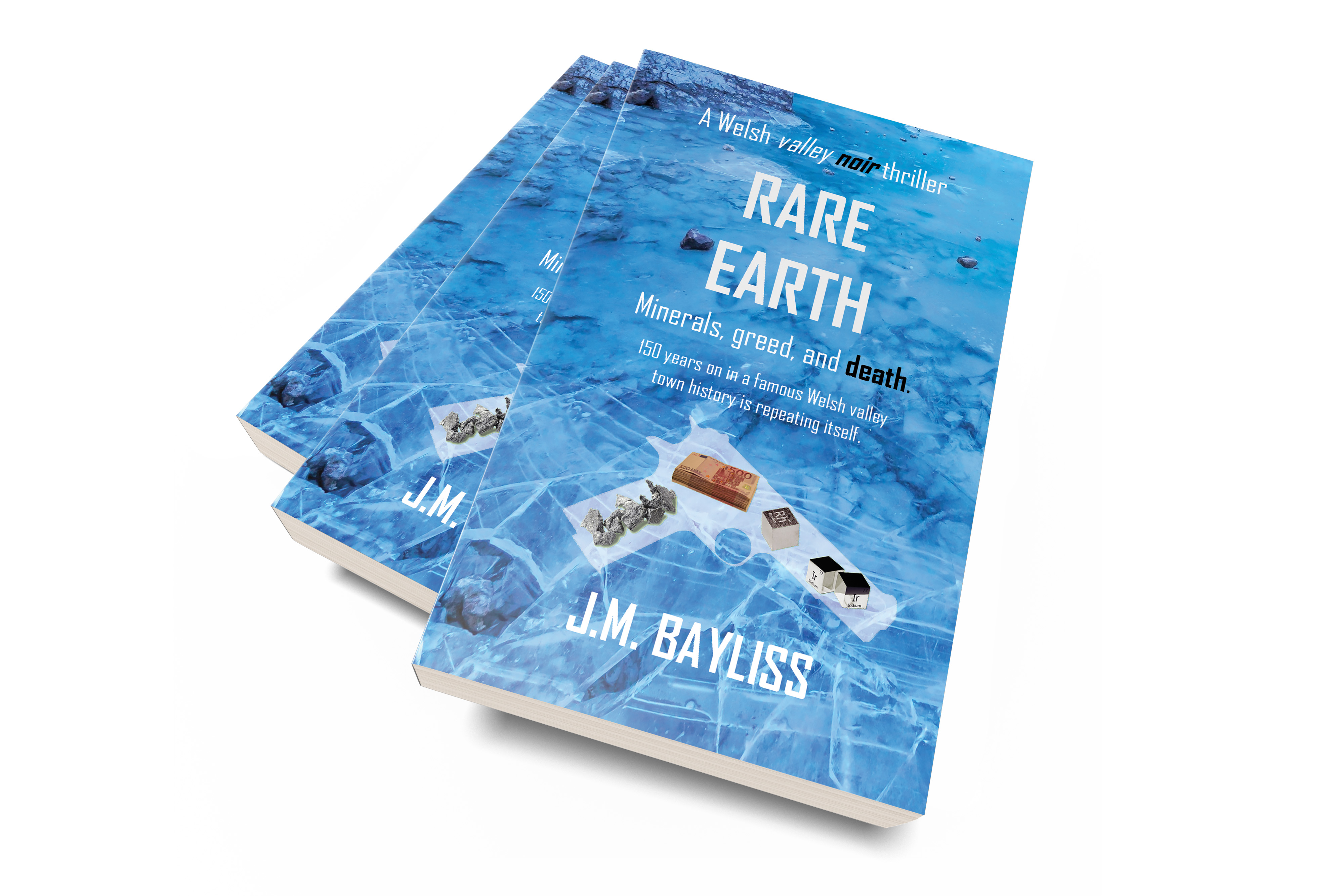
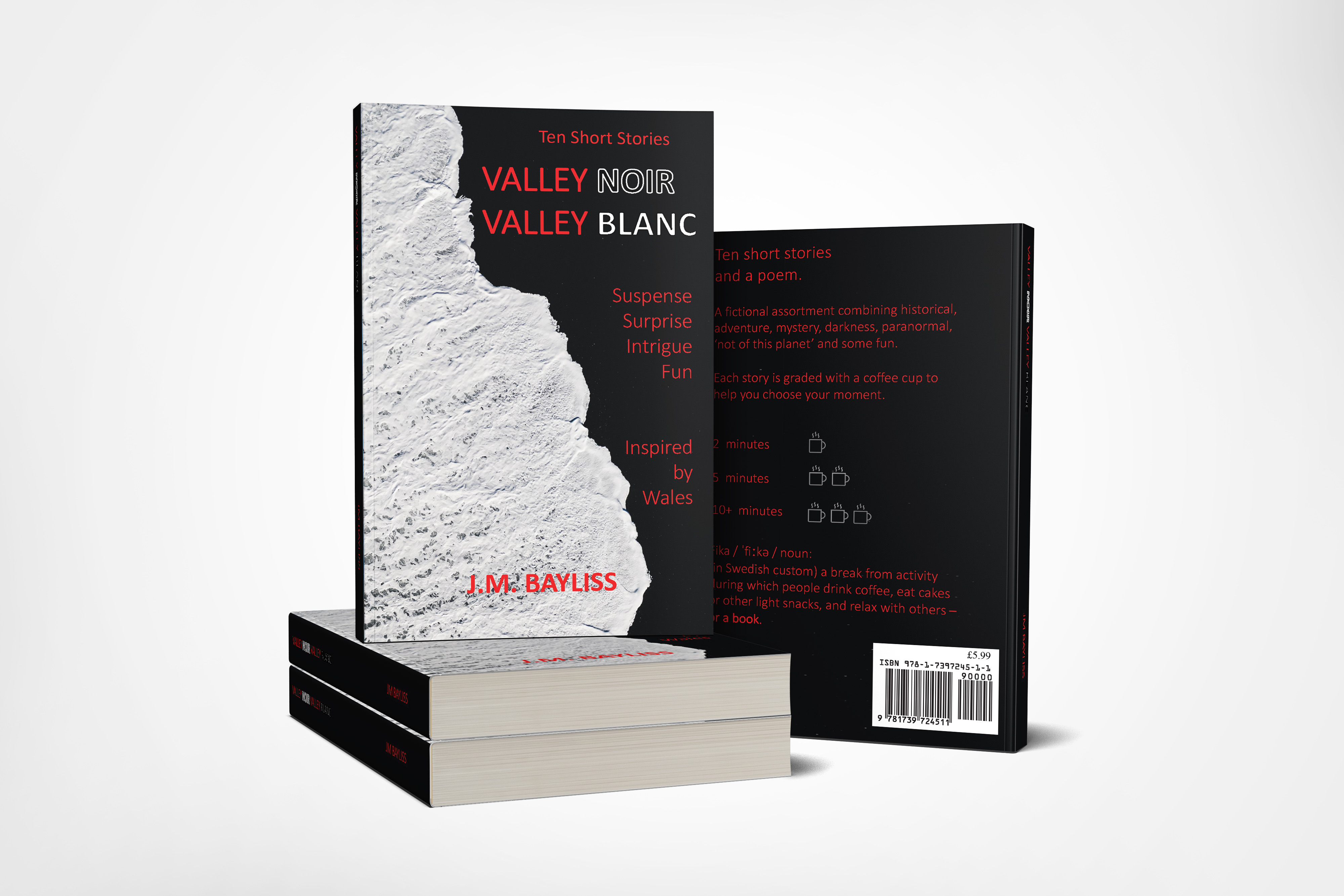
On a weekend where we’ve all ‘gone to ground’ under the blustering sway of Storm Eunice, Hay Writers’ Circle Secretary, Mark Bayliss is celebrating the launch of not one, but 2 incredible new books – Rare Earth and Valley Noir Valley Blanc.

Marks states his, “two new babies have arrived. Non-identical twins, ‘Rare Earth‘ a dark thriller, involving a mineral theft conspiracy and land grab, set around the UNESCO town of Blaenavon – with an Australian influence. And ‘Valley Noir Valley Blanc‘ is an anthology of his favourite short stories, which includes the 2020 Henshaw International short story competition winner: ‘Taste the Darkness’.

Both available now on Amazon in paperback and kindle versions, or in all good bookshops.

CLICK HERE TO GO STRAIGHT TO MARK’S AMAZON AUTHOR PAGE.

Mark’s career started as an aerospace design engineer and then a technical author, he spent most of his career as a successful international key account manager. His short stories can be found in national magazines and websites. He achieved a ‘podium finish’ in the 2020 Frances Copping Memorial Prize for Fiction, then won 1st prize at the Henshaw Press International Competition in December 2020.

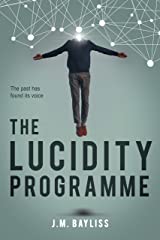
His debut novel, ‘The Lucidity Programme’ made it to #33 in its Amazon category alongside the likes of Dean Koontz and Paulo Coelho! It received numerous 5 star Amazon reviews with one reviewer commenting “A really fine story, full of surprising twists and turns and a wealth of settings and interesting characters….the suspense and energy keeps the story moving at a breakneck pace.”

Well done Mark!

DON’T FORGET WE ARE ACCEPTING SUBMISSIONS FOR OUR
POETRY COMPETITION

Head on over to our Competition’s page for full details.

To subscribe to our quarterly newsletter,
enter your email address in the box below.

Posted in Uncategorized | Tagged , , , , , , , , , , , , , , , , , , | Leave a comment

Judge and Details Announced for Hay Writers Poetry Competition 2022.

*STOP PRESS*

Submissions are now invited for our annual Poetry Competition and we are delighted to announce the Judge for 2022 is Dr Jack McGowan, Senior Lecturer in Creative Writing and Head of Department of English, Media & Culture at the University of Worcester.

“As Course Leader for Creative and Professional Writing, Jack is responsible for overseeing the portfolio of creative writing modules available through the School of Humanities.

In 2015 Jack won a WATE: Teaching Excellence Award for his teaching in English Literature and Creative Writing at the University of Warwick.

Jack’s research focuses on contemporary poetry and poetics, and he specializes in the development of performance poetry in the UK since the mid-20th century, and the oral roots of poetry. Jack is a performance poet with 10 years of experience on the UK spoken word scene and he writes for both performance and page publication. His writing examines contemporary themes of alienation and fragmentation, unpicks the vicissitudes of 21st-century life, and shines a diminishing light on 90s pop culture.”

*POETRY COMPETITION – FIRST PRIZE £100*

The Hay Writer’s Circle Poetry Competition 2022 is open to everyone.

The first prize of £100 is generously sponsored by our longest serving current member, with additional cash prizes for 2nd and 3rd placed poems.

The closing date for entries is Tuesday 15th March, 2022
Results will be announced in May.

Original, unpublished poems of up to 40 lines maximum on any subject.

The winning poem will be published on the Hay Writer’s website at our discretion. Publication may prevent eligibility for future competitions. All rights remain with the author.

For full competition guide lines and entry form please download the file below :

Good luck!

Don’t forget to subscribe to our quarterly newsletter.
Enter your email address in the box below.

Posted in Uncategorized | Tagged , , , , , , , , , , , , , , | Leave a comment

Jean Hare – Winner of the 2021 Frances Copping Memorial Prize for Fiction

We are excited to announce the results of our 2021 Frances Copping Memorial Prize for Fiction Competition, named in fond remembrance of our Lifetime President who sadly passed away in 2020.

This popular competition again received a good number of entries from both inside and outside Hay Writers’ Circle and we very much welcome external interest in all our writing competitions.

We were honoured that our judge this year was none other than Carly Holmes, author and Publishing Manager at Parthian Books.

Prizes are awarded for first, second and third place and this year we are extremely grateful to Parthian Books who kindly agreed to sponsor the winning cash prizes. First Prize £50.00, Second Prize £15.00 and Third Prize £10.00.

Find out more about Parthian Books at http://www.parthianbooks.com

Below are Carly’s comments and her winning selection:

“It was a real pleasure to be asked to judge this year’s fiction competition for the Hay Writers and to read through the entries. The thing that struck me the most was how varied these stories are, in theme and style but also in location and narrative voice. When reading through competition entries or submissions, I often find that an unconscious thread emerges across the stories, whether it be a reaction to the current political/social climate or a response to the genre that is currently proving to be the most popular in the publishing world. With these stories, the only real thread that emerged was a general sense of poignancy, which is not surprising given the current state of the world.”

IST PLACE: End of Therapy

“I really enjoyed the sharp, incisive language the writer used in this story, and the acute way they used tiny details to focus the reader, for example noticing that the therapist’s mole had been removed and replaced by a scar. It told a complete story in less than 1500 words, and the end was uplifting in a way that wasn’t trite and left me feeling very positive.”

2ND PLACE: Death and Life

“This story set the scene well from the first paragraph and used rich, evocative imagery to pull the reader in. The tension built through the drama of the fire, and the ending had a real emotional impact.”

3RD PLACE: Apprentice Piece

“This story employed strong character development from the start, offsetting the ‘brutish’ appearance of the traveller against the distanced elegance of the landlady, and then relaxing them both as the story progressed so that they became warm and engaging. The dialogue was very good as well, adding to the character development. The ending was quite obvious but no less endearing for that.”

And The Winners are:

1st Prize – Jean Hare

2nd Prize – Kerry Hodges

3rd Prize – Shane Anderson

Many congratulations to our judge, worthy prize winners and to all our imaginative entrants who submitted a wide variety of pieces.

Thank you.

DEATH AND LIFE BY KERRY HODGES

We are delighted to now showcase Kerry Hodges’ “Death and Life”, which we hope you will enjoy.

Death and Life  

When does fear start to fade and reality become accepted? 
 

When does the twist in the stomach and the knot of the heart begin to relax as the  

realisation dawns that what has been feared would happen for the past ten years  

has finally happened. The mind hasn’t yet taken it in but there’s no need to be afraid  

any longer. 

This I ponder as I sit on my bed in the small guest house. Autumn leaves on a  

gnarled tree sweep the roof. The gentle brushing assists my meditation. 

It’s been a long journey. Nearly 24 hours of travel. 

As I drink the last of my green tea and place the delicate china bowl on a coaster, I  

decide to walk, see a little of the city. I am tired, I am restless. I need distraction.  

Tying my laces, I grab my tattered straw hat and leave. 

Outside the heat curls around my body, coating it with expectation. The smell of  

barbequed meat inveigles its way into my nostrils, pricking my appetite awake. 

Two small children eye me with curiosity and I smile as they scurry away. 

With the city wall to my right I can’t get lost. 

The narrow road opens into a square and before me stands a mosque adorned with  

tiles of brilliant hues – lapis, verdigris and sun gold. I feel the gasp which halts my  

step. The colour, the splendour. Have I wandered into a fairy tale? Will Princess  

Aurora or Sleeping Beauty bedecked in sumptuous fabrics and tiaras appear? When  

a princess actually does appear; I am not surprised. She wears a cream silk  

meringue. Tiny pearls drip from its bodice and a veil is held in place by a glittering  

crown. But she is no princess. She is a bride, an Uzbek bride with her suited groom,  

examining the streets of Khiva, searching for the best vantage point from which to  

take the most breath-taking photos. I soon realise this is not unusual as I spy three  

more brides and their new spouses, floating along, all looking the same, like they’ve  

borrowed the same dress and the same thick dark eyebrows. 
   

I dawdle past stalls selling Russian fur hats, exquisitely carved Quran stands,  

brightly coloured crockery painted with the distinctive Ikat design. Bed spreads richly  

embroidered with pomegranates, oranges and lemons.  

‘Maeve would love one of those,’ I murmur, ‘the one with the blue pomegranates.’  

A small man with weather aged skin displays his wares on a rickety table. Camel hair  

scarves in an array of tempting colours and I’m buying one, grey and black. A  

mouthful of gold teeth is revealed as the vendor smiles. I am reminded of the early  

Bond films I used to tolerate with my Dad sat beside me, chewing fig rolls. 

And I am back home. My mind skates over the past weeks of hospital, bedside and  

coffin. My Dad’s pale grey face etched with the pain he’d so readily denied in life.  

Whoever said a person looks at peace in death?
  

I need a cuppa.
 

Stepping onto the roof-top terrace of a busy teahouse, I marvel at the view below.  

How could they have built such perfection. No electric drills or laser levels just bare  

hands and rudimentary tools.
  

I fill my bowl with black tea and gaze around. Noisy Russian tourists, replete, have  

left and peace descends. 

A woman sits alone at one of the traditional Uzbek table beds. She is supported at  

her back by a rainbow of cushions, their colour a scream of confusion. In the middle  

a raised platform holds a teapot and bowl. The woman, dark hair covering her face,  

is writing furiously as though if she stops her thoughts will end and she’ll never  

recapture them. 

I pay my bill as the writing stops; the face emerges and we smile. 

Wandering once more I see a half-finished minaret and learn from a helpfully vocal  

tour guide it hadn’t been finished because the Khan, for whom it was being built, had  

died. His son didn’t want it to be completed as it would be named after his dead  

father and this made him jealous.
  

‘Rumour has it,’ whispers my teacher, a little less helpfully so I have to lean in and  

concentrate harder, ‘the son’s harem was over the wall from the minaret which  

meant were it to be finished people would be able to stare at his collection of women  

and only the Khan was supposed to see his chosen few.’ 

Collection of women? Like a collection of classic cars or single malt whisky? Hackles  

rising for a man centuries dead, I hoped those women kept the jealous Khan in his  

place. 

It is dusk as I return to the guest house. Feeling weary, I decide to eat the remains of  

the picnic bought in Tashkent, read my book and get an early night.
 

As I eat the final date my thoughts inevitably turn to Dad. How often in the last years  

have I studied the number as my phone rang, fearing it might be Antony with bad  

news? How many times have I seen Dad’s body, smart in his favourite suit, resting in  

a silk-lined coffin? 
 

And then it happened. No longer a dreaded daydream.  

From the limousine I’d watched people doing their everyday jobs as we travelled to  

the crematorium. A white rose wreath adorned his coffin but was insignificant, an  

empty gesture. Dad’s favourite flowers had been spring yellow tulips. 

 I’d observed Dad slowly disappearing behind ugly plum coloured curtains, their  

closing taking Dad from me permanently. I had wanted to yank them back, rescue  

him from the flames.
  

Stirring from my morbid reverie I chide myself for going there again. For wasting  

energy, emotion, in acting out my Dad’s demise for the umpteenth time. 

I shower, message Maeve, climb into bed, and turn off the light. 

And there is Dad again. Creeping unbidden into my head as he always does in my  

quiet moments. He would be waiting for me back at home. Not sat at the table, a  

smile licking his lips and some pies warming in the oven. He’d be waiting in a brown  

urn. Dad. Ashes. A tear meanders down a cheek settling in the gully of my neck. 

It can’t be more than ten minutes later when I jump up. 

What the hell is that? A low whooshing sound has roused me and now I can smell  

smoke. See smoke pouring into my room through the gap between door and  

doorframe. 
 

Grabbing my bag, I slide each foot firmly into a mule and snatch a jumper from the  

chair. Cautiously I turn the door handle and am met with a wall of dense, acrid  

smoke while flames play peekaboo with me from the bathroom only feet away.
 

I am fortunate. The door to the courtyard is nearby. I gag and cough as I make my  

way out, bent double with head under the toxic smoke, forcing my smarting eyes to  

lead me to safety. Stumbling over a step, I find myself in the relatively fresh air of the  

yard where I shiver wildly, hugging myself for comfort. 

Two fire engines and men dressed in camouflage; work to extinguish the blaze as I  

am ushered into the lane behind the guest house. 

Akmal, the guest house owner, his wife and four little children observe silently. The  

youngest in her mother’s arms.  
 

In twenty minutes the fire is out, only the odd wisp of smoke escapes into the night. 
  

Akmal guides me into his own room where his children lie on a large bed. Their  

mother tries to sooth them to sleep but their dark eyes watch while I settle onto the  

sofa Akmal has offered me.  

As I lie down, wrapping rugs around me I see the insidious smoke creeping its  

deadly way into my room. What if I’d been asleep? I too may have been ashes,  

sitting alongside Dad in a brown urn. You were not asleep I tell myself. You are alive.  

Did I say that aloud? I don’t know but something in me feels different. Fear, for so  

long my unwanted companion, has loosened its grip, knowing it has outstayed its  

welcome.  

Tomorrow I will drink Russian vodka. Eat plov. Maybe bump into the dark haired  

writer and talk and walk along the walls of Khiva taking Dad with me. He never liked  

climbing but I can carry him this time. 

Posted in Uncategorized | Tagged , , , , , , , , , , , , , , | Leave a comment

Youngest Hay Writer Ever

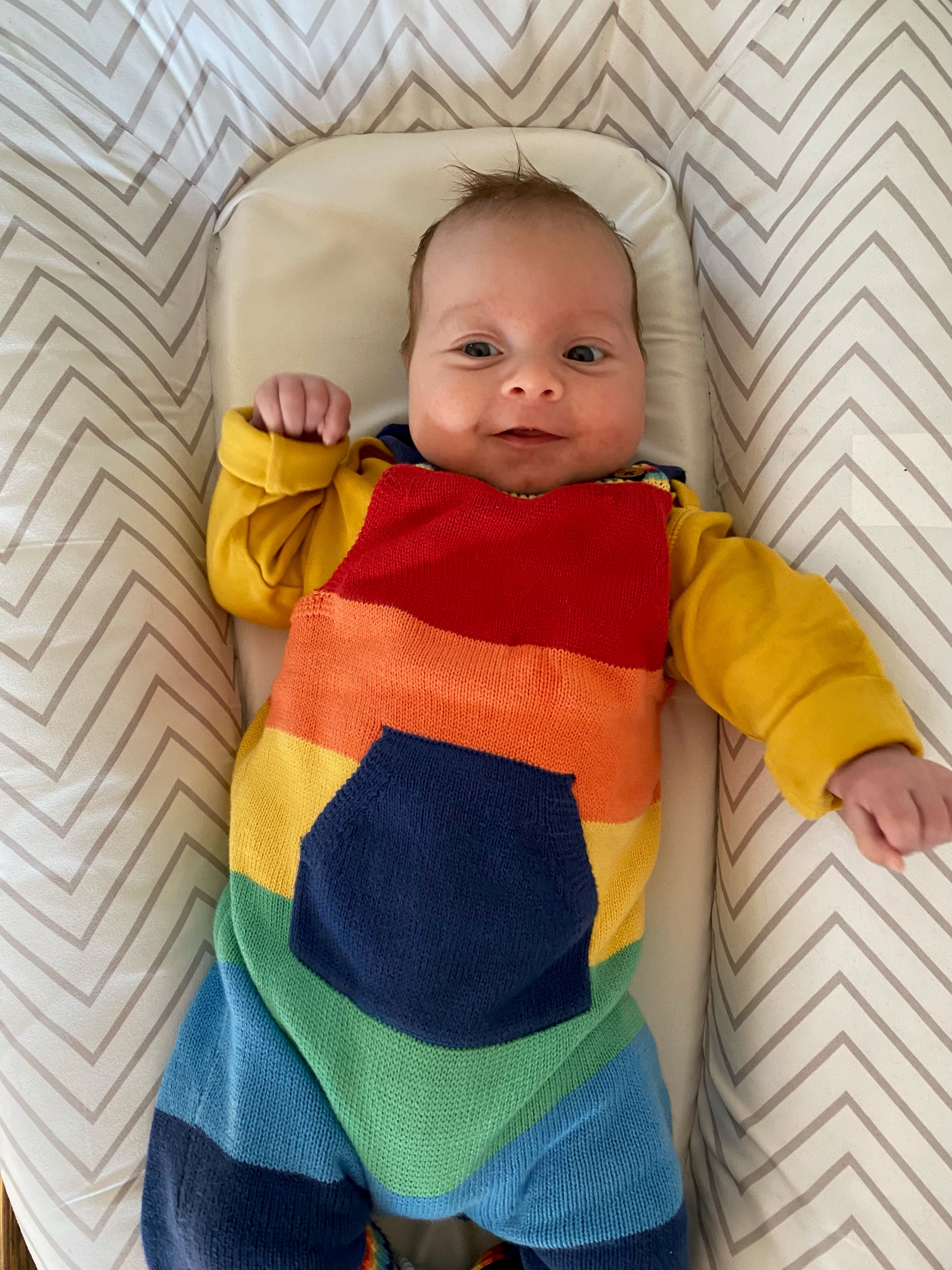
A huge welcome Lennon Eira Watkins who attended his first Hay Writers’ Circle meeting on Tuesday this week. We have scanned our 40 years worth of membership records and it seems Lennon is officially our youngest attendee.

Under the editorial guidance of his mother, Lily Rose, Lennon listened intently to the pieces read aloud by fellow HWC members and although his literary criticism skills are yet to display themselves, he obviously enjoyed time spent within such a creative atmosphere.

Lennon Eira Watkins 2021

Here is his bio : Lennon Eira Watkins is currently the youngest member of Hay Writers’ circle, with a very curious and pondering attitude towards life. He loves listening to stories and is the inspiration of many pieces of writing (mainly his mother’s). Lennon has a cheeky, chilled out and affectionate nature, not to mention an incredibly stylish wardrobe. As long as he has plenty of milk he’s happy! 

DON’T FORGET WE ARE ACCEPTING SUBMISSIONS FOR OUR
FICTION COMPETITION


Prizes this year sponsored by Parthian Books!

Go to our competition page for more details. Good Luck!

Don’t forget to subscribe to our quarterly newsletter.
Enter your email address in the box below.

Posted in Uncategorized | Tagged , , , , , , , , , , , , , , , , , | Leave a comment

The Frances Copping Memorial Prize for Fiction 2021 – Judge and Sponsor Announced

We are kicking off our new writing year with some exciting news!

Submissions are now invited for our annual Fiction Competition, The Frances Copping Memorial Prize 2021, named in fond remembrance of our Lifetime President who sadly passed away in 2020.

The competition is open to everyone, members of Hay Writers’ Circle and non-members too. Pieces of 600-1500 words on any fiction theme are accepted. Closing date for entries is Tuesday 16th November 2021.

Prizes are awarded for first, second and third place and this year we are delighted to announce that Parthian Books have kindly agreed to sponsor the winning cash prizes. First Prize £50.00, Second Prize £15.00 and Third Prize £10.00.

Parthian Books – Set up in 1993 and based in Cardigan, Wales, Parthian…”have always published first time fiction and aim to give new writers as much development support as we can. Our recent success includes writers such Richard Owain Roberts (Not the Booker Award Winner 2020), Alys Conran (Wales Book of the Year Winner 2017).Tristan Hughes (Stanford’s Fiction Winner 2018), and Lloyd Markham (Betty Trask Award Winner 2018) Glen James Brown (shortlisted for the Orwell Fiction Award 2019).”

Find out more about Parthian Books at http://www.parthianbooks.com

We are doubly honoured that Carly Holmes, Publishing Manager at Parthian Books has agreed to judge our Fiction competition.

Carly is an editor and has been the publishing manager with Parthian since 2019, though her involvement with us goes back to 2013 when she started taking on freelance editing projects. She has an MA and a PhD in Creative Writing.
Her debut novel, The Scrapbook, was shortlisted for the International Rubery Book Award and her award-winning short stories have been published in numerous journals and anthologies such as AmbitThe Ghastlingand The Lonely Crowd.
Her debut ‘Literary Strange’ short story collection, Figurehead, was published by Tartarus Press in 2018.
Before taking this role with Parthian Carly worked as a freelance editor and proof-reader for a variety of publishing houses and literary agencies, and a mentor for CW students at TSD Lampeter University. She also event-managed the Penfro literary festival for three years, and managed and hosted ‘The Cellar Bards’ spoken word events for four years.

If you wish to submit a piece, the fee is £5, payable by cheque or BACS. All details are on the entry form which you can download from this site, just click on the link below. 

Remember, word count for this competition is 600 words minimum and 1500 words maximum, and the theme is entirely open, so why not put pen to paper and have a go!

The closing date for entries is Tuesday 16th November 2021.

Good Luck!

Posted in Uncategorized | Tagged , , , , , , , , , , , , , , , , , , | Leave a comment

Gillian Haigh’s – A Year In Wales – Winner of the Richard Booth Prize for Non-Fiction, 2021.

Gill has kindly granted us permission to publish her winning non-fiction piece, A Year in Wales.

Our judge, Roland White commented that, (it was) “A fine, powerful piece of writing. A slightly unsettling cross between Laurie Lee and The Omen, what with its ghosts and buried razor blades, this is a vivid account of a year from the point of view of a young and apparently rather knowing little girl. The short, straightforward sentences not only enhance the drama but make the text more childlike.  

There were scenes that every parent will recognise, and humour in the very literal world of young children (“It’s a wireless”… “It’s not. I can see wires coming out of it”). 

The format did make me wonder whether this was really non-fiction, but I gave it the benefit of the doubt.

Gill, who now resides in London, has been delighted that her writing attained 1st place in our competition.

Without further delay, here it is.

A YEAR IN WALES by Gillian Haigh

It’s wintertime. 

There are no other houses, only this one. 

Before we lived here a lady pushed her little girl down the stairs then died of suicide in the pantry. The mummy says the little girl has probably gone to Heaven by now but the nasty lady who killed her has turned into a ghost and is still here. 

It’s cold when the coal’s all been burnt and there’s no light when the paraffin runs out and no water when the well freezes and no tea when the money’s gone. I don’t know what money is but when it’s gone the mummy gets sad and cries. 

The daddy and the mummy are drinking tea so the well must not be frozen and the fire must be burning and there must be money. 

The mummy rubs her belly. ‘I wonder if this one will be born in a caul.’

‘What’s a caul?’ I ask.

‘A bag that some babies come wrapped in,’ she says.

‘Why?’ I say.

But her eyes have gone away. 

‘Did I come wrapped in one?’ 

Her eyes come back. ‘Yes.’

‘How did I get out?’

‘I suppose the midwife got you out.’

‘What’s a midwife?’

‘You didn’t cry for twenty-four hours.’

‘Why?’

‘You were too clever. I should’ve kept the caul. You can sell them to sailors.’

‘Why do sailors want them?’

‘To protect them from drowning.’ Her eyes have gone away again.  

It’s springtime.

There are crocuses and I’m digging in the flower-bed. 

The big brother’s feeding the chickens from a bucket.  

The mummy’s in the kitchen, eating a cigarette.  

The soil feels soft and wet on my hands. 

Now something sharp has made a hole in my skin and the end of my finger’s hanging off.  

The big brother throws the bucket on the ground and calls for the daddy to come down off the roof.  

The chickens go ‘Qwup, qwup, qwup,’ and flutter over to get the chicken-food that’s spilled out of the bucket. 

Red blood is dripping onto the purple crocuses.

In the car, the mummy says: ‘How many times did I tell you not to bury your razor-blades in the flower-bed?’ The daddy doesn’t answer. He looks sad.

The doctor puts the end of my finger back on and says I am a brave girl. 

Now we’re back home again and the daddy lights all the paraffin lamps. 

It’s night-time and I’m in bed. The suicide-lady has come. She’s wearing a grey and orange shawl and shaking her finger at me. 

The nasty lady’s gone away to the pantry now but she’ll be back. She always comes back. 

It’s summertime

There are gooseberries and skylarks and dragon-flies by the river.

I hear the train coming so I run upstairs to wave. Our train runs on steam. Some trains run on electricity. Light comes from different things too. Our lamps need paraffin.  Our gramophone needs winding. So does the daddy’s car.

Yesterday I tried to wind up the gramophone but I scratched Bill Haley and the big brother said I was a clumsy oaf.

Now when I lean on the window to wave at the train, the window isn’t there. 

I’m flying. There’s the sky. And there are the trees. And there’s the ground. When I land I hear a slap and all the birds go quiet.  

The daddy’s driving me to the doctor. 

‘How many times have I told you not to leave the upstairs windows open?’ says the mummy. 

The daddy shouts. ‘I didn’t leave it open. It must have been you.’ 

The doctor has a magic camera that can see through skin.

‘Nothing’s broken,’ he says. ‘Amazing after falling twenty feet onto flag-stones. You must’ve bounced.’ He looks at my finger which is better now. ‘I think you’re accident prone.’ He moves his head round to look at the daddy and the mummy who are both eating cigarettes and looking sad.

There’s a box in the corner and voices are coming out of it. 

‘Are there people inside that box?’ I ask the doctor. 

The mummy chews on her cigarette. ‘Oh do stop asking stupid questions,’ she says. ‘It’s a wireless.’

It’s not though. I can see wires coming out of it.

When we get home the sky lights up and there’s a bang. ‘What’s that?’ I say.

‘A storm,’ says the daddy. ‘It’s caused by electricity in the air.’

‘Can we get some for the gramophone?’

The daddy’s laughing.  Now he’s crying. Grownups cry a lot. I think it’s the law.

It’s autumn-time. 

There are nuts on the trees and blackberries in the hedge. 

Yesterday we had a bonfire outside in the dark and daddy burnt a dolly called Guyfox.  I don’t know why.

Now its night-time again but the mummy’s not asleep. She’s standing in the garden with no shoes on, shouting at the daddy. ‘I can’t bear it,’ she says. ‘There’s nobody to talk to all day.’

‘You can talk to me,’ I say.

‘Go back to bed,’ she says.  

She looks at the daddy: ‘There’s no point in living. I’m going to throw myself under the train.’ 

Now she’s walking away, across the field.

‘You can’t,’ I shout. ‘The train only comes in the morning-time.’ 

The daddy picks me up and points to the stars, which all have names and are further away than Aberystwyth. 

‘Are there houses on those stars?’ I ask. ‘Do little girls live there?’

‘Quite possibly,’ says the daddy. ‘Nobody knows.’

The mummy’s reading a book and eating a cigarette.  The daddy’s at work. The big brother’s at school. 

‘How did the baby get inside your belly?’ I ask.

‘It’s too complicated for you to understand.’

‘When will it come out?’

‘I don’t know.’

‘Why?’

‘Oh do stop asking stupid questions.’  

The mummy gives me a biscuit and tells me to go outside and leave her in peace. 

It’s raining and my biscuit is getting wet. The friends are getting wet too but they don’t mind because they have warm furry coats. I pick one up and cuddle her. All the friends have red and yellow stuff leaking out of their eyes. It looks like jam and custard but it doesn’t taste sweet. 

The mummy comes out and shouts: ‘Leave those bloody rabbits alone. They’re all filthy with myxomatosis.’

It’s wintertime.

There’s snow everywhere. 

We’ve come to live in a different place.  I used to think our other house was the only one but there are hundreds here and other children too. 

A big boy called Gareth lives next door. He’s a friend I think. I’m not sure how you tell. The friends in the other house didn’t talk or have bicycles but Gareth does. Yesterday he taught me a song:

I lost my arm in the army

I lost my leg in the navy

I lost my cock in the butcher’s shop

And found it in the gravy.

‘What’s a cock?’ I ask the mummy.

‘A male chicken,’ she says.

Here in Aberaeron nearly everything’s different. Eggs come from shops, not chickens. Water comes from taps, not wells.  In the other place the paraffin lamps made nice bright holes in the darkness. Here there are switches that only the grownups can reach. The switches click and the light comes on.  But it’s not nice light. It’s big and bossy. It pushes itself into all the corners and hurts my eyes. It smells funny too. It smells of nothing.  

One thing’s the same though. The mummy still cries when there’s no money.

Don’t forget to subscribe to our quarterly newsletter.
Enter your email address in the box below.

Posted in Uncategorized | Tagged , , , , , , , , , , , , , , , , , , | Leave a comment