Over the next few months we have two exciting writing workshops which anyone can attend (pre-booking essential).
Poetry Workshopwith Lesley Saunders
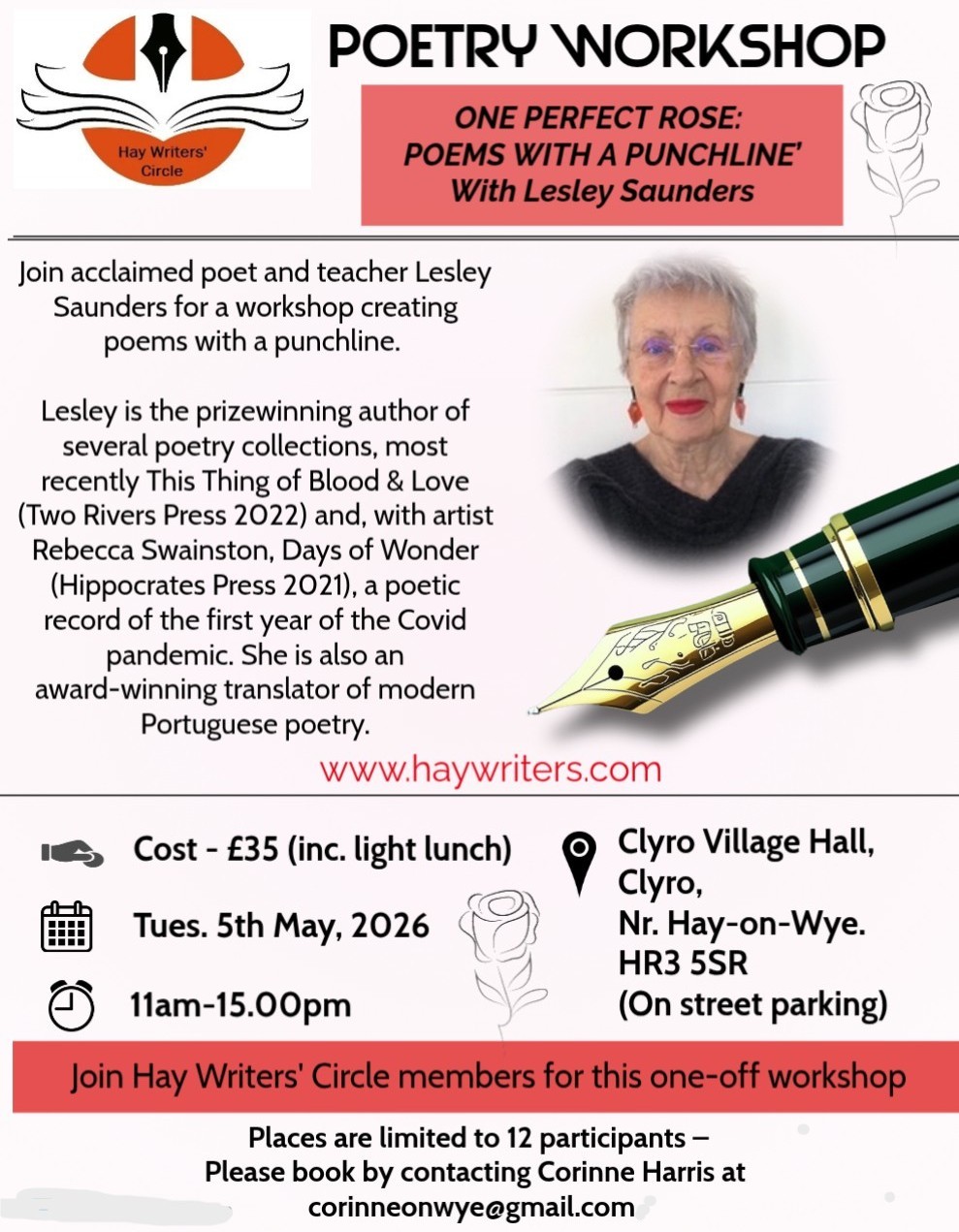
On Tuesday 5th May, 2026 we have a poetry workshop, One Perfect Rose : Poems with a Punchline, with Lesley Saunders.
Acclaimed poet and teacher Lesley Saunders for a workshop creating poems with a punchline. We tend to associate punch lines with making jokes, the ‘ta-da’ moment after the elaborate run-up, that elicits a groan from the audience. But the idea is more interesting than that, especially when it comes to poetry.
In a poem you can beguile your readers, lull them into thinking they know where the poem is going, and then – – round it off with an unexpected flourish – leave the reader hanging in mid-air – pull the rug from under the reader’s, and your own, feet – have the devastating last word, the last laugh – turn the whole poem – its feeling, its meaning – on its head
We will read and talk about various poems with surprise endings; we will also take a look at the ‘volta’, or turn, in a sonnet; and at the role of form more generally. There will then be plenty of time to work individually and to draft a piece of writing of your own.
“… Why is it no one ever sent me yet One perfect limousine, do you suppose? Ah no, it’s always just my luck to get One perfect rose.” (Dorothy Parker)
Approximate timings: 11.00 am Getting started – round table introductions 11.30 am Reading and discussing resource material together 12.30 pm Breakout for lunch, and for making notes and drafting poems individually 1.30 pm Discussion followed by more drafting / editing 2.00 pm Sharing our thoughts and work 3.00 pm Conclusion and farewell
Fiction Workshop with Holly Müller
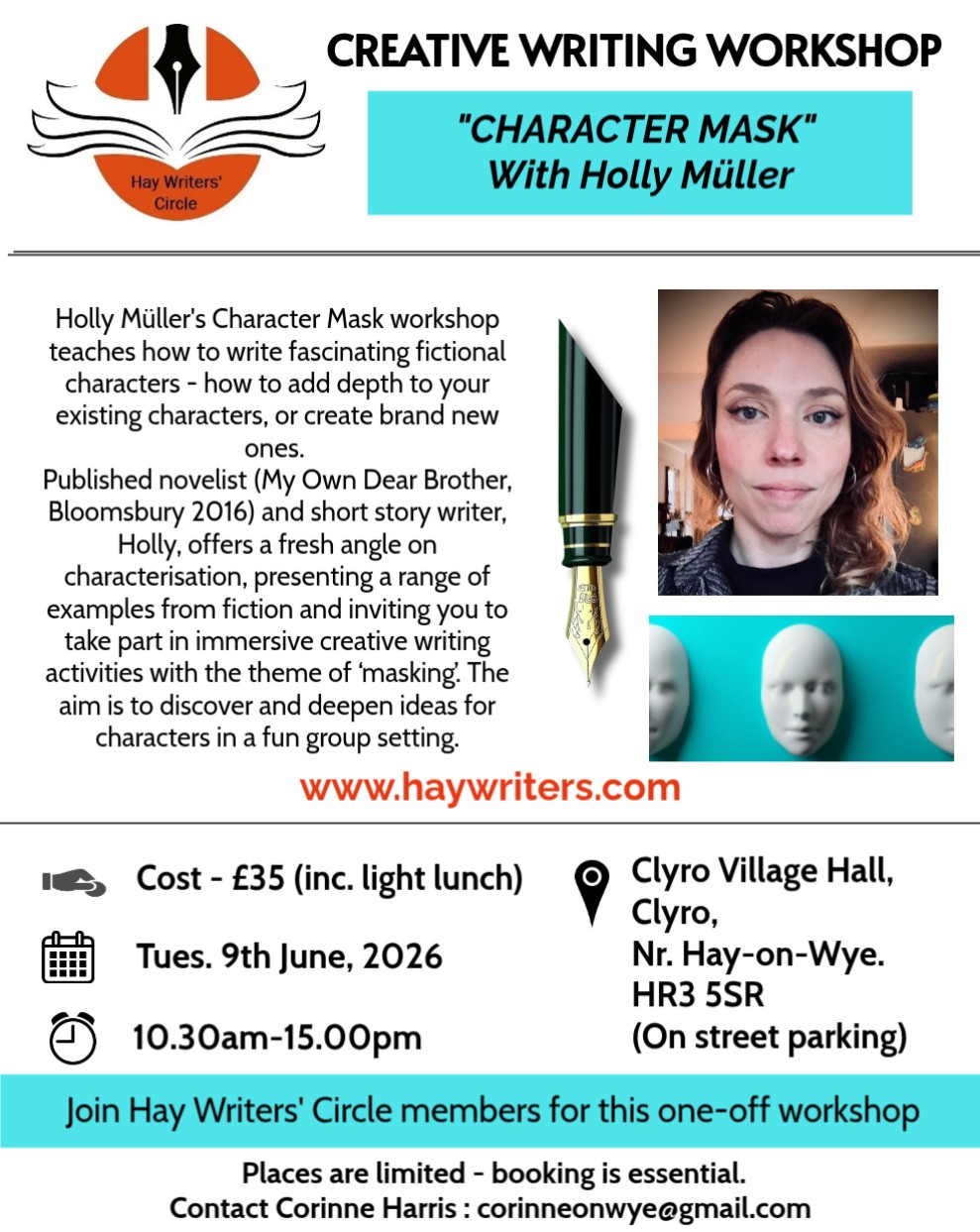
On Tuesday 9th June, 2026 we have a fiction workshop, Character Mask : Poems with a Punchline, withHolly Müller. More details of this workshop agenda released nearer the day.
Places for both workshops is strictly limited, pre-booking is essential to secure your place. Please email our HWC Chair, Corinne Harris – corinneonwye@gmail.com
Poetry Competition.
We are into the final couple of days before our annual Poetry Competition closes. Anyone can enter a poem on any theme! First Prize is £100, wish cash prizes for 2nd and 3rd placed poems.
Please find all the information on how to submit your entry on our Competitions page.
Good luck! 🙂
Amanda Ingram – Fiction Competition Winner, 2026!
We were delighted to announce in our last update the much anticipated results of our Fiction Competition 2026, judged by the wonderful Holly Müller.
Our winner was Amanda Ingram, whose entry, The Interim, was praised by Holly as “a spare and elegant dystopian future story, (offering) an intriguing and unsettling vision of a future world in which individuals live in institutions, being extracted from, medicated, ‘shielded’ from too much knowledge, while farming the land inside an environmentally controlled dome.
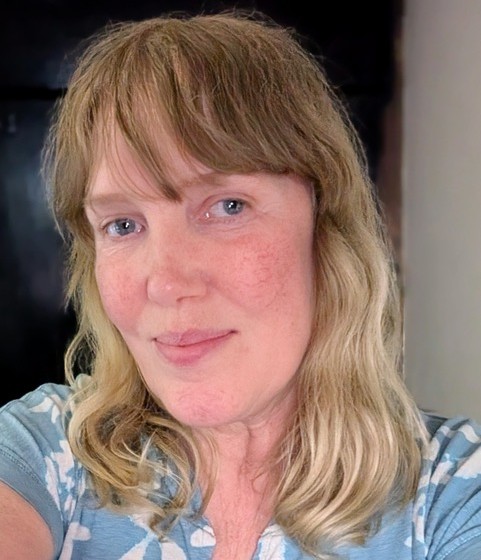
As you can see from her author bio below, Amanda is a writer to watch out for. We hope her success in Hay Writers’ Circle Fiction Competition is the one of many creative accolades she garners in the future. Many congratulations Amanda.
Amanda was born in West Yorkshire and had her first poem published in “Pony” magazine at age 11. She has lived in this area for over twenty-five years, presently on her family’s hill farm in mid Wales with her husband Martin, her youngest daughter, Sophie and a menagerie of animals, including rare-breed pigs, ponies, chickens, and too many dogs, where she manages a small holiday let.
Writing has always been a compulsion she has crammed in between working in hospitality and bringing up a family. She has dozens of old notebooks to prove it, and along with the many short stories, is at present writing a young adult novel.
She started entering competitions after taking part-time creative writing classes with Aberystwyth University, and so far has had some success with Fiction Factory, where she was shortlisted for their Flash Fiction competition, Globe Soup, an online writing community where she has been long-listed, shortlisted and highly commended.
Most recently, she was informed that she had made it into the second round of The Bridport Prize Flash Fiction competition. The Frances Copping Memorial Prize is her first win. A wonderful surprise and validation, she can, at last, call herself a writer.
To keep up to date with all our competition and workshop news etc., why not subscribe with your email address in the box below.
We are excited to announce the results of our Frances Copping Memorial Prize for Fiction Competition, named in fond remembrance of our Lifetime President who sadly passed away in 2020.
This popular competition again received a good number of entries from both inside and outside Hay Writers’ Circle and we very much welcome external interest in all our writing competitions.
Frances Copping Judge – Holly Müller
This year we were delighted to welcome Holly Müller as our judge.
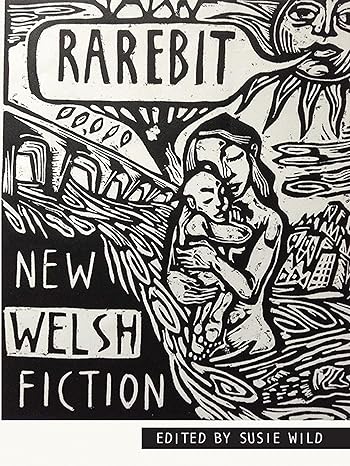
Holly Müller is a writer and musician living in the Bannau Brycheiniog. Her short stories are published in Rarebit (Parthian Books, 2013) and New Welsh Fiction (Seren Books, 2015). Her debut novel My Own Dear Brother (Bloomsbury, 2016) was Waterstones’ Book of the Month and garnered positive reviews in the Guardian, Independent, Sunday Times, etc. Holly has performed at Cheltenham, Hay, Laugharne and Cardiff Literature Festivals. She taught creative writing at USW and ran Ty Newydd Writing Centre courses with Kate Hamer, as well as workshops at schools and festivals, before having a family.
We humbly acknowledge Holly for all her efforts in judging the entries of this competition, and extend our sincere gratitude for the accompanying notes. Thank you Holly.
Without further delay, here are the Results and Holly’s comments!
3rd place – Cully’s Collar
A story from a dog’s perspective, which succeeds in capturing the world of the family black lab on Christmas Eve, including an adventure to see off some poachers. What I liked about ‘Cully’s Collar’ was its focus on the dog’s world view, which led to some interesting ways of seeing and magical descriptions, for instance of the night sky: “tiny dots of silver lights high above and the huge pale plate hanging above the black mass of the wood”. A charming story, it lacks some clarity in the mid-section around the main drama and action. There is some great humour to be had from the perplexed commentary provided by the dog, watching the family doing all manner of bemusing things in preparation for Christmas. In anxiety about missing his evening walk, the dog decides: “I will lie on the kitchen floor and get in the way to remind them that I mustn’t be forgotten.” I feel the writer does a good job of keeping the dog’s own priorities firmly in view.
2nd place – The New Walk
‘The New Walk’ is an unusual, vivid and impressionistic story with playful and inventive use of language. I enjoyed the refreshing effect of defamiliarization, the sense that the storyteller is a watcher, looking at ordinary sights, sounds and happenings through a different lens: “I pass streamers of children, weaving and floating, blown from straight paths” and “the syncopated ‘pop’pop’pop’ of the mobiles sounded like a distant rifle range”. Very little happens in the story, we go to a museum, hear an underwhelming musical quartet performance, and overhear a conversation about a strange ‘phenomenon’ that causes an indentation to appear in the horizon, but it is intriguing regardless. I feel the story needs a dash more clarity of character and purpose, but it’s a strength that it leads me to wonder, Is the narrator character OK? I enjoyed the obscurity of the final lines, the sense of restlessness: “It was beginning to be apparent that the day was not a day at all but merely the shadow of the day before. I reached the bottom of the New Walk. Eyes intent on the horizon I searched for an indentation.”
1st place – The Interim
A spare and elegant dystopian future story, ‘The Interim’ offers an intriguing and unsettling vision of a future world in which individuals live in institutions, being extracted from, medicated, ‘shielded’ from too much knowledge, while farming the land inside an environmentally controlled dome. The story is full of sadness, pertinent indeed regarding the destruction of Earth’s natural beauties and systems. Claustrophobia crushes the spirit of the protagonist – free will no longer exists. The story raises more questions than it answers (is the old woman at the end her mother or a clone of herself?), which is a strength in my opinion. Reminiscent of Ishiguro’s Never Let Me Go, it explores the human need for connection and the terrifying potential impact of the climate emergency.
Many congratulations to all the prize winners, and to everyone who entered too. Well done!
Here is the winning entry by Amanda Ingram.
The interim
The day begins with the 6 a.m. alarm, followed by the buzzer, indicating that the door to my room is now unlocked. I take a cold shower, which is beneficial for circulation and is known to promote wellbeing. Once dressed I practice yoga before heading to the communal dining area for breakfast.
Music plays at mealtimes, but talking is discouraged among residents. I swap smiles with a girl opposite, who is about my age. She glances toward the white coats and touches the pale flesh on the inside of her elbow, where a purple bruise blooms, indicating that they came to her room last night and extracted blood. Blood taking is a regular part of our routine, among other procedures.
Each day, we are weighed, and our food measured to ensure a stable body mass index of twenty-one. “You need to be healthy,” the white coat says placing a scoop of fermented mush in my bowl, next to vitamin supplements, green juice, and a carb biscuit. The added enhancer does little to improve the eating experience.
After breakfast, there are enrichment activities. My favourite is working in the garden in the heart of the complex. I love tending to the vegetables, fruit and flowers that grow there. Orlo, the gardener, says that nature is more beautiful than anything man ever created on earth. When I ask him about “earth,” he tells me about four-hundred- year-old Great Oaks, delicate spider webs that sparkled like jewels in the sunshine, or honeybees. He describes how they flew between plants and flowers, pollinating them. I listen to his calming voice but cannot imagine the world he describes.
“Of course, crop pollination is carried out by drones now,” he sighs, “the ones hardy enough to survive that is, or genetically modified to self-pollinate.” He shakes his head. “How times have changed.” If I ask more questions, he finds me a job in the furthest corner of the garden.
White coats come and go through stark white walls. I have begun studying the entrance points, and when nobody is watching, I trace my fingertips across the surface, feeling for hairline cracks that may indicate an opening. There is no way to the outside world for us, but I know it exists because I listen to the white coats talking to each other when they think I am not paying attention. I have become adept at gathering snippets of information to roll around in my mind while I lie in bed each night, staring into the darkness, waiting to disengage.
I ask one of the kinder white coats about going outside whenever I get the chance. “Outside is too dangerous for you,” she tells me. “Your immunity is too low.” The next time I ask about going out, I can see my words irritate even the kindest white coat, and I watch as she whispers something to her colleague. And I do not know if I am imagining it, but Orlo seems to be avoiding me and barely tells me stories anymore. I feel like something is very wrong, and this feeling is growing stronger, altering the beat of my heart. When the assistant checks my readings and observations, I notice her frowning.
A white coat and an assistant enter my room before the alarm sounds and instruct me to take oral medication. I ask why. They look at each other, ‘Hold out your arm!’ demands the assistant.
The injection is given with unusual force, making me wince. Within seconds, I feel my anxiety dissipating, and everything around me starts to fade away.
When I wake, I feel strange and do not know where I am. My throat is dry, and my head hurts so much that I do not notice the pain in my back and side. Feeling for the source of a dull ache, my fingers brush against a dressing.
I wait on the trolley, the smell of cleaning fluids irritating my nose, until an assistant brings me boiled bone broth. “An added bonus,” she grins before instructing me to finish it and rest.
The next day, I stay in bed feeling exhausted and weak, like the solitary snowdrop that grows in the garden compost bin and makes Orlo smile every day. However, the white coats force me to get up and take short walks so that I can “get better quickly.”
I shuffle up and down the corridor, but my mind is full of darkness. I think about what it would be like, not to be anymore. When the white coats ask how I am feeling, I smile and tell them I am feeling fine. I no longer ask about going outside. When the scar heals, I am returned to my room and think about the girl across the dining room table and how I have missed her.
The girl is not at breakfast, or the evening restoration, and I do not see her in any of the enrichment activities over the next few days. I press my lips tight to stop myself from asking after her, but her absence leaves a void I want to fall into.
I shadow Orlo, in the garden, longing calming stories of old, but he has lost his voice and with it all the wonderful words. In silence he prunes fruit trees while I rake the black soil beneath my feet until it is as fine as sand, ready to plant spinach and kale and other hardy plants. He seems unable to even look in my direction. So much has changed. I gaze through the transparent roof at the vast yellow sky above and wonder how far it stretches.
How I wish I could fly away like one of the butterflies, beetles, or birds he has told me about. I implore him with a stare so intensely he cannot ignore it, but he just turns away, looks down at the ground, and continues his work. That is when I feel the moisture pool in the corner of my eye and trickle slowly down my face and drip off my chin. It lands on the fine soil, leaving a tiny crater there.
I am meditating in my room when two white coats enter. They do not look at me as they check my heart rate and blood pressure, before ordering me to have a hot shower, and dress in a crisp gown. Despite the feeling of dread I ask, “am I having another?” procedure not really expecting an answer.
“It’s your time,” says the younger one before his colleague shoots him a look that renders him silent. Letting the hot water scald my skin, I imagine dissolving and disappearing into the drain.
On the metal trolley, I squeeze my eyes tight, feeling like something inside me is tearing at my chest to escape. I practice my breathing and cross my arms over my chest, trying to quiet the thud of my heart and steady my hands. I picture the garden and Orlo’s lined, kind face. Somewhere near there are whispered voices and the whir of machinery. When I feel a firm grip on my arm, the pressure of the strap, I open my eyes just before the needle pierces the flesh. “Just a sharp scratch,” the white coat says, attaching the cannula.
The bright light stings my eyes for a moment. Above me hovers something that resembles the microscope I use to study cells of decaying matter from the garden, only much larger. Only when I twist my head to look around do I notice that there is someone else.
The female lying there is an elder. Her eyes are bright but are full of sadness. Her short silver-white hair gleams in the harsh light and her body wasted away I do not recall seeing her before, but there is something vaguely familiar in the shape of her face, the curve of her lips—that slightly protruding mole above her right brow. I lift my hand and let my fingertips seek out the small, familiar bump beneath my own fringe. She opens her mouth as if to speak but then seems devoid of words and closes it again. Her skin is so pale it is as if she contains no blood. She reaches a wizened hand towards me just as the pump releases icy liquid into my veins. The woman tries to smile, but I see liquid forming in the corner of her eye. It runs down her cheek, leaving a silver trail on her delicate skin, drips off her jaw and lands on the table where it leaves a tiny pool.
– New Poetry Workshop with Lesley Saunders Announced –
Please book your place via email to HWC Chair, Corinne Harris on : corinneonwye@gmail.com
– More HWC Competitions –
Don’t forget we are currently counting down to our Poetry Competition, deadline on Tuesday 7th April 2026, so there is still time to get your entry in.
All competition details are listed on our COMPETITIONS page.
In the mean time, keep on writing!
To keep up to date with all our competition and workshop news etc., why not subscribe with your email address in the box below.
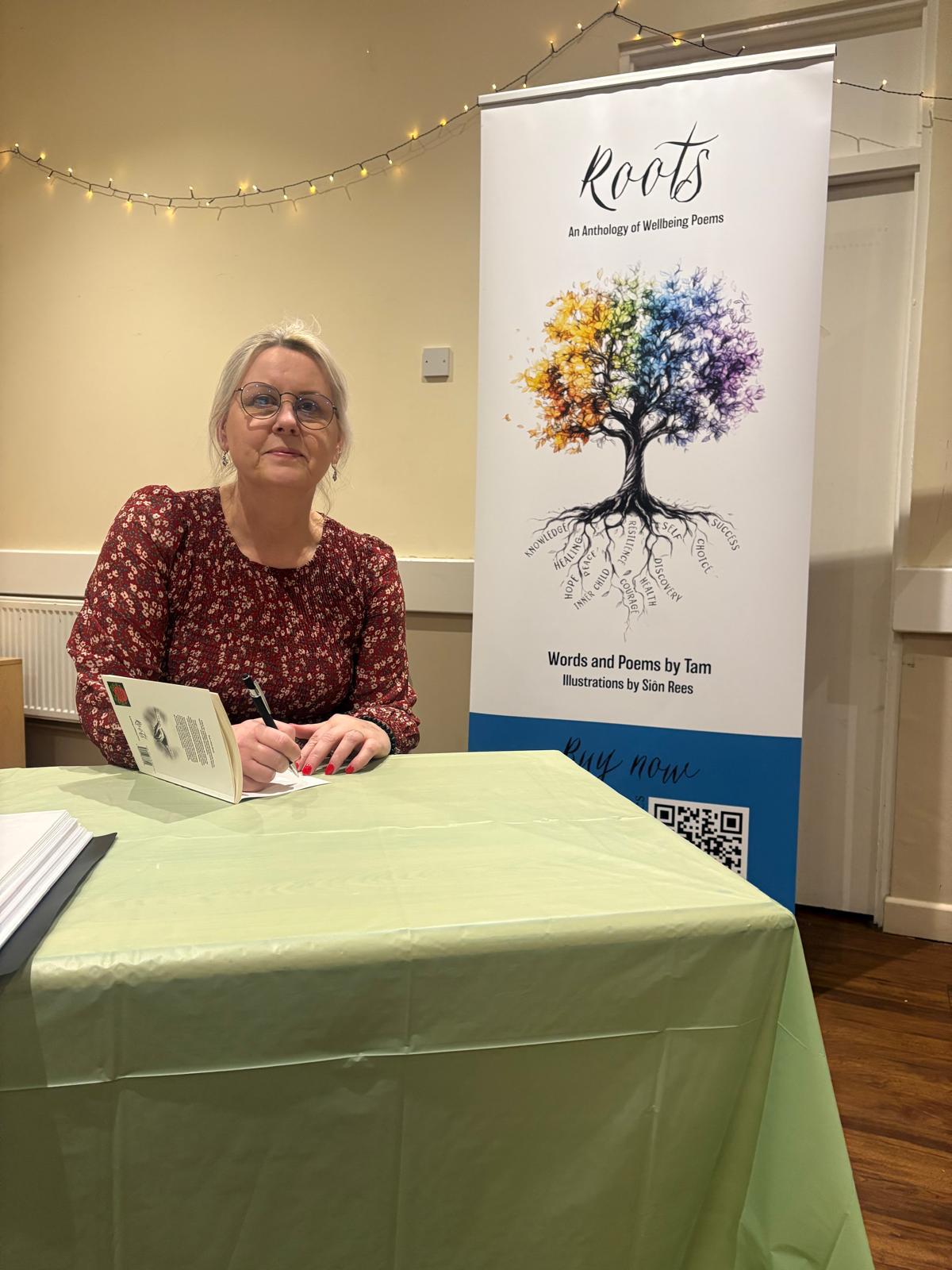
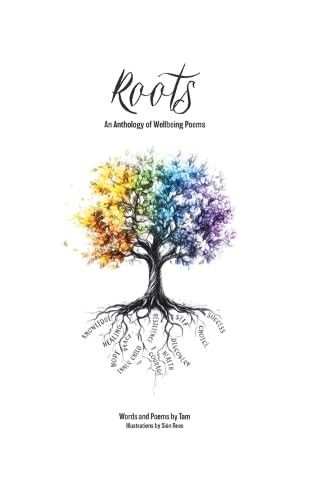
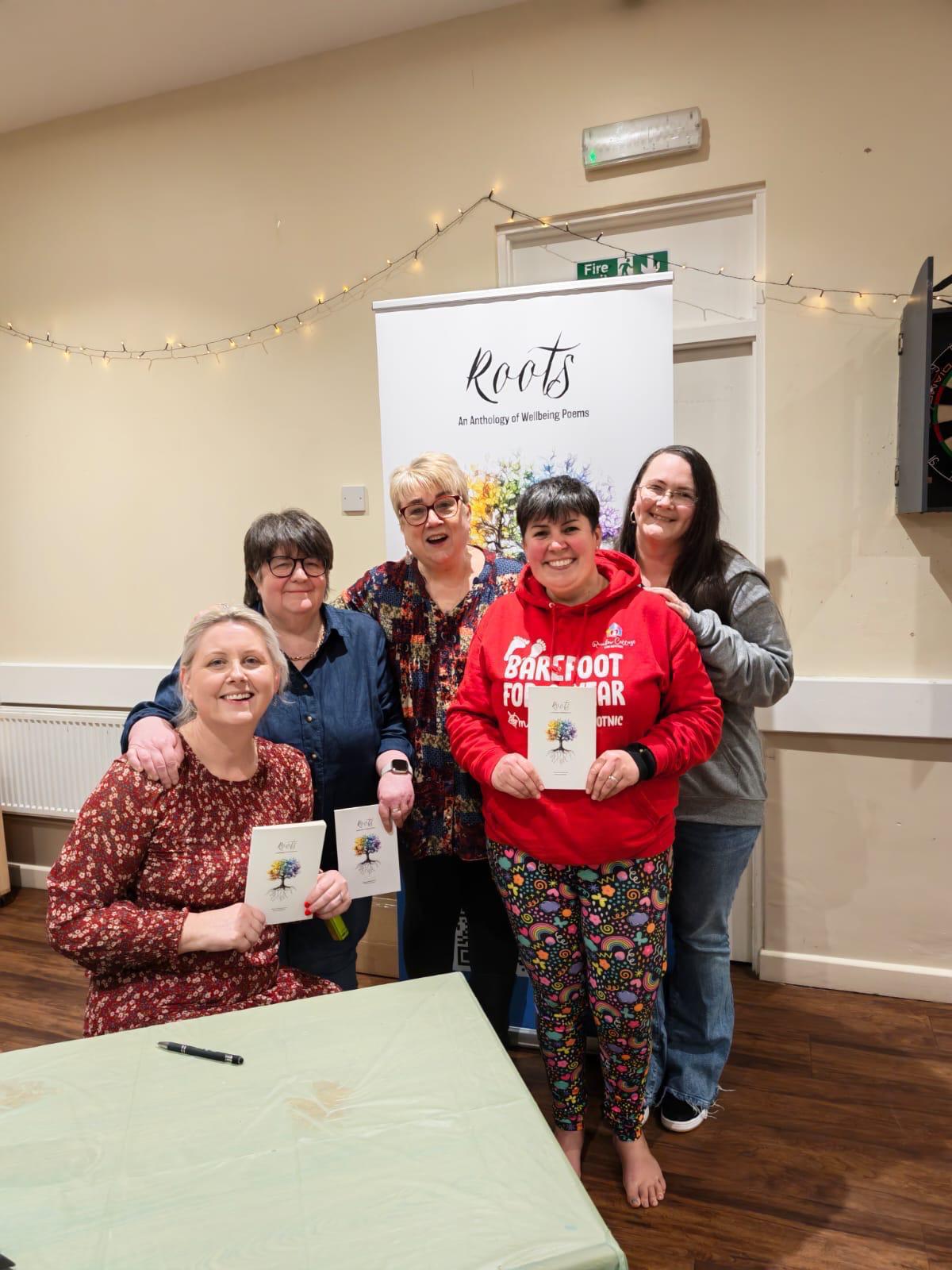
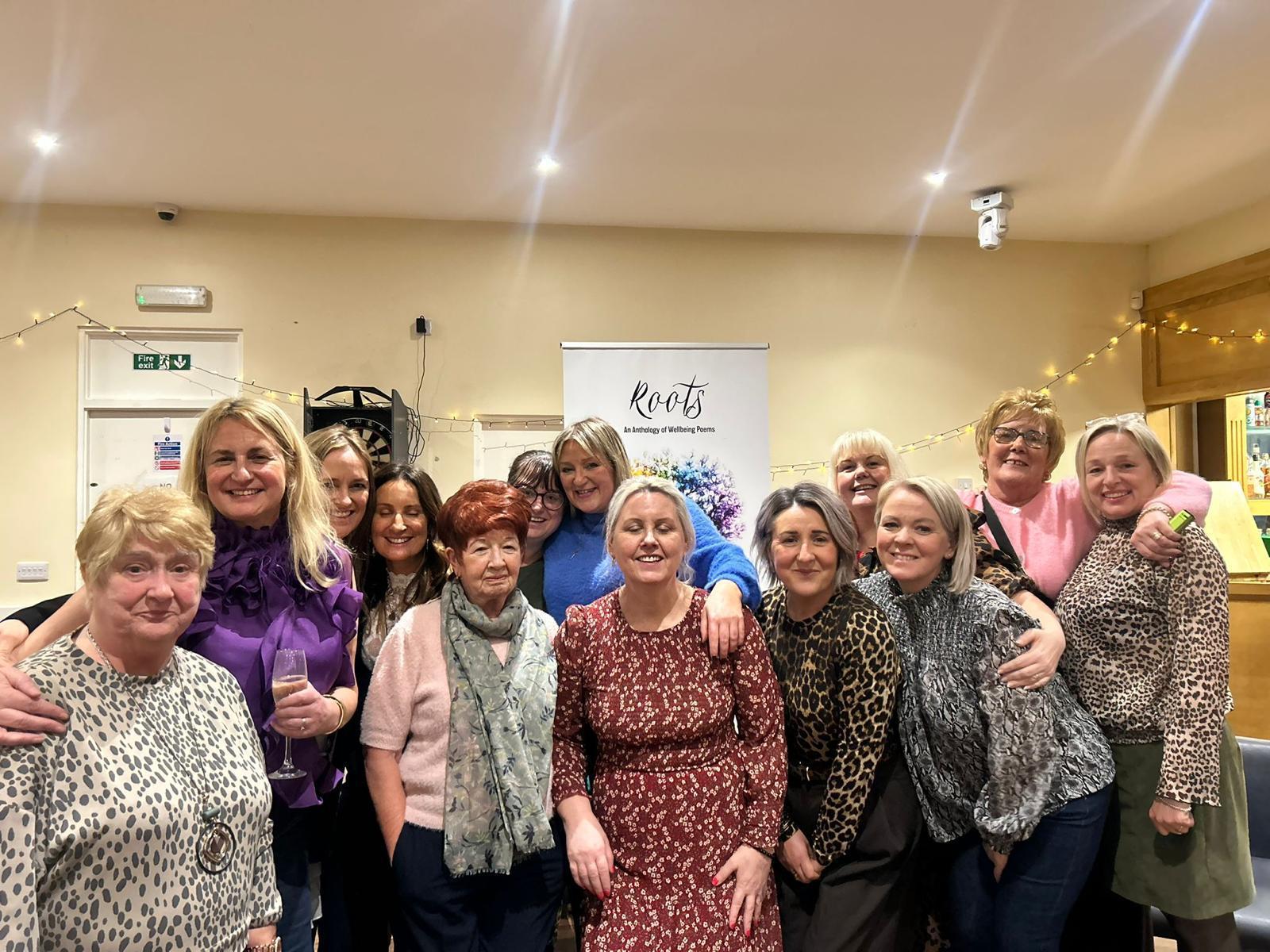
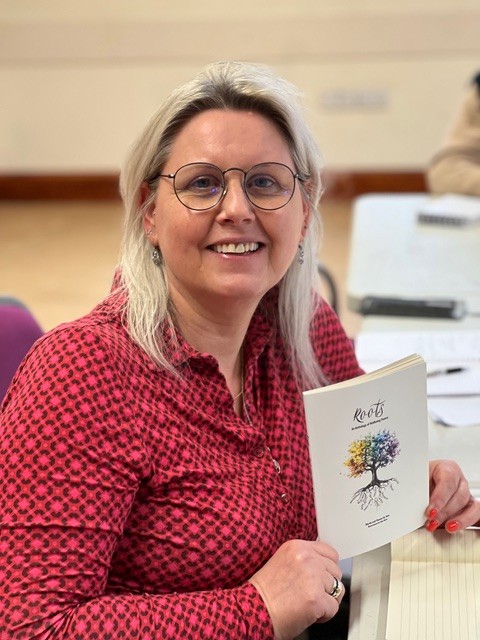
Congratulations to new HWC member, Tam Allen, on the recent launch of her poetry book, “Roots”, published by The Conrad Press. Tam’s poems celebrate the strength found in vulnerability and the courage to face the challenges life brings. They are heartfelt and deeply moving. Her poems deal with her own experiences of loss, grief, healing and the profound acceptance which comes from adversity. Each piece is beautifully illustrated by Sion Rees.
Roots by Tam Allen, published by The Conrad Press ISBN 978-1917673822 – is available to buy via online bookstores, including Amazon, Waterstones and Bookswagon #rootsbytam
Hay Writers’ Circle Starters by Corinne Harris
In our regular meetings, we use a ‘starter’ and then write together and share our work. We take it in turns to produce a starter and they are therefore very varied. Its always interesting to see how different out writing is and it is an opportunity to give and receive constructive criticism. We thought that it would be interesting to share some of these, and our writing. This is from a meeting on the16th September. It’s adapted from a writing prompt in Kate Clancy’s, How to Grow Your Own Poem. (https://amzn.eu/d/ckdLL6J). This is a great book for kick-starting your writing.
“My Blue Hen” by Ann Gray
I sing to my blue hen. I fold her wings against my body. The fox has had her lover, stealing through the rough grass, the washed sky. I tell her, I am the blue heron the hyacinth macaw. We have a whispered conversation in French, I tell her the horse, the ox, the lion, are all in the stars at different times in our lives. I tell her there are things even the sea can’t do, like come in when it’s going out. I tell her my heart is a kayak on wild water, a coffin, and a ship in full sail. I tell her there is no present time, an entire field of dandelions will give her a thousand different answers. I tell her a dog can be a lighthouse, zebra finch can dream its song, vibrate its throat while sleeping, I tell her how the Mayan midwife sings each child into its own safe song. Tonight, the moon holds back the dark. I snag my hair on the plum trees. I tell her I could have been a tree, if you’d held me here long enough. I stroke her neck. She makes a bubbling sound, her song of eggs and feathers. I tell her you were a high note, a summer lightning storm of a man.
This starter gives Ann Gray’s beautiful poem as an example of talking to someone or something that can’t answer back.
Talking to someone or something who can’t talk back – Writing Starter
Children talk to their stuffed toys or their pet dog. Most pet owners speak to their pets. It’s often extended and, in my case, frequently nonsensical. But some of us also confide our deepest thoughts, our grief, our hopes and fears – to a pet or to an inanimate object. We may say things we wish we could say to someone who is significant in our lives. The poem by Ann Gray is an example of this.
For this exercise write either a poem or piece of prose addressing someone or something that cannot answer back. It can be a person, an animal, a stuffed toy or piece of furniture. Say who are what you are talking to. Let your imaginations run riot, have fun with outlandish similes and metaphors and use voluptuous descriptions. Include a description of the addressee’s reaction or lack of it. Tell it a secret perhaps.
Here are some examples of the responses to this writing exercise.
Mutt by Jean
You dribble, you piddle Slobber and snuffle
Your hair is like wire and often you stink
You shat in the hall Took Kenny’s ball
You always are hungry Stole a roast chicken
Terrorised the kitten But once in my lap
You never stop licking I fall once again
for your winning ways I love you
My shameless mutt. You don’t care
You lick your balls casually and search for dinner avidly.
Not Talking Back by Martine
I am the sole volunteer gardener In our local Community Park. For several years I have cleared Brambles, Bracken and weeds to form flower beds around the Park’s perimeter whilst also maintaining existing plantings of shrubs and trees..
I am usually on my own so there are no humans to speak with. Children play on the equipment. The swings and Zip wire are favourites. They remind me of my time seventy- five years ago when I enjoyed playing in a local park in Cardiff. I still see the fluttering of myriad butterflies on the Buddleia on a summer’s morning and whilst this is my memory I hope today’s children will have their memories in the park I now maintain.
Picking Raspberries and blackberries. Making daisy chains. Kicking a ball into the brand new football nets. Watching the Red Kites gliding gracefully on the wind. Hearing the Buzzards call to their chicks in the early summer as they start to fly from tree to tree. Seeing new colours as bulbs emerge from their winter sleep as more light returns. The different autumn colours from Hazel, Rowan, Cherry, Maple, and Beech
I chatter to the plants and trees as I work in the Park.
“I am really pissed off. I am at my wits end. Is it me or is it you? If you don’t flower this year then good riddance. Up you come never to grow here ever again.”
A final warning to five hydrangea plants, that for several years have failed to produce a single flower. They produce just leaves. A friend advised that someone they know has the finest flowers on their hydrangeas and they cut them right down just towards the end of spring. I have moved all these wretched plants to a nice location in good soil and they have all had a good talking to whilst being severely pruned. I live in hope for them.
“Now, I have spent many hours clearing the brambles with sharp thorns from around your trunk. I have cut away willow trees stealing your light. Now, lovely Maple, enjoy the freedom. Feel the symbiotic movements around your roots. Become the beauty nature intended.”
Poor Maple planted as a small sapling seven years ago in the corner. Gradually invaded by nettle, brambles and bracken around its bark and robbed of light. A rescue job two years ago. I delight to see it flourishing.
“You know the lovely Rosa Regosa under your canopy. Yes, well this winter I shall prune your lower limbs to allow more light onto them next year. You will be asleep when I do it. Hopefully, you won’t feel a thing. I am really proud of how you are shaping up.”
As I weed in a flower bed around Lupins, Fox Gloves and Oxalis Robin Red Breast lands just beyond my fork. His eyes look at me with a “Thanks for that” look. He darts a few inches away and swallows a morsel.
“Hello Rob,“ I whisper, “Nice to see you this morning.” He takes another morsel from my wheelbarrow and flutters into the hazel tree. From a high branch he chirps away. Is he talking to me? Probably not. More likely defending his territory.
We all know that King Charles is a spontaneous talker to his plants. Probably like me he enjoys the sound of his own voice and that there is no one answering back to pollute the silence in the garden except for the bird song.
In springtime I hear geese flying overhead making for Llangorse lake. If it is a squadron led by a talkative leader I will just take off my garden hat and wave to them and shout welcome back. They carry on chatting to themselves flying in their v shape. Occasionally there will be just two flying low and chatting and sometimes I have to wave my arms to tell them they are going in the wrong direction. It is a privilege to see the Canada Geese zooming over the fields.
Helicopters pass and they also might get a wave from me with advice that they are too loud and too low. They never take any heed of my advices. The worst are the jet fighters that scream up so quietly until they have passed. They get my gardeners two fingers but they can’t see because they go so fast.
The plants never answer back but they do appreciate close quarter chats. I think because my outward breath is carbon dioxide, which they love, and in return they push out pure oxygen.
A picture can be worth a thousand words sometimes.
Talking to something that can’t answer back by Nick
As a man known until quite recently as someone who didn’t speak to people, this exercise should be quite easy.
But it’s not.
What did I used to do when not speaking to people? I must’ve thought things I suppose. Of course I still do that, but talking to inanimate objects?
Well there’s the tree on the opposite bank at Llanelwedd that looks like a giant striding along the bank heading downstream towards the sea.
And there’s the rock that I stand on when it’s not submerged by rushing water. Then there’s the otter who I mistook for a clump of dry grass floating down the river until it turned its head and looked at me. But do I actually pass the time of day with tree, rock and otter? If so how?
Well with otter it’s easy, he or she is animate, you admire the swimming ability and playfulness.
The tree always seems to be in such a hurry striding by, the last time I saw him he’d broken a leg, (a branch), so that will slow him down.
So green giant what do you reckon? I think you could tell me a thing or two, well at least when the salmon are running.
And rock, crikey you’ve been here for ever. Every thousand years perhaps 2 mm are worn from your surface.
You probably even saw Llewellyn when he left his cave at Aberedw and travels to Builth, where he was turned away, then on to his death at Cilmery.
Well what did he look like? What was he wearing? How many men did he have with him?
Come on, speak up, I can’t hear you above the roar of the water.
Radio hoo-ha by Catherine
I slide at speed across the kitchen floor and hit the radio ‘off’ button with a flourish, cutting dead the lying, stupid monologues of Trump, Musk, Farage and their pals, the Westminster bubble bath, political soap, hyper hypocrisy, anodyne analysts……. Along with the gesture I shout; “Shut the f… up!” The radio sits mutely on the counter top. I have the power and control to guard the silence for as long as I like, as long as I need it, interrupted only by the whistling kettle, the clatter of saucepan lids and the whoo-op of a wine cork. Then, graciously, I give the radio back its voice and allow the theme tune to The Archers to fill the airwaves.
Hay Festival 2026
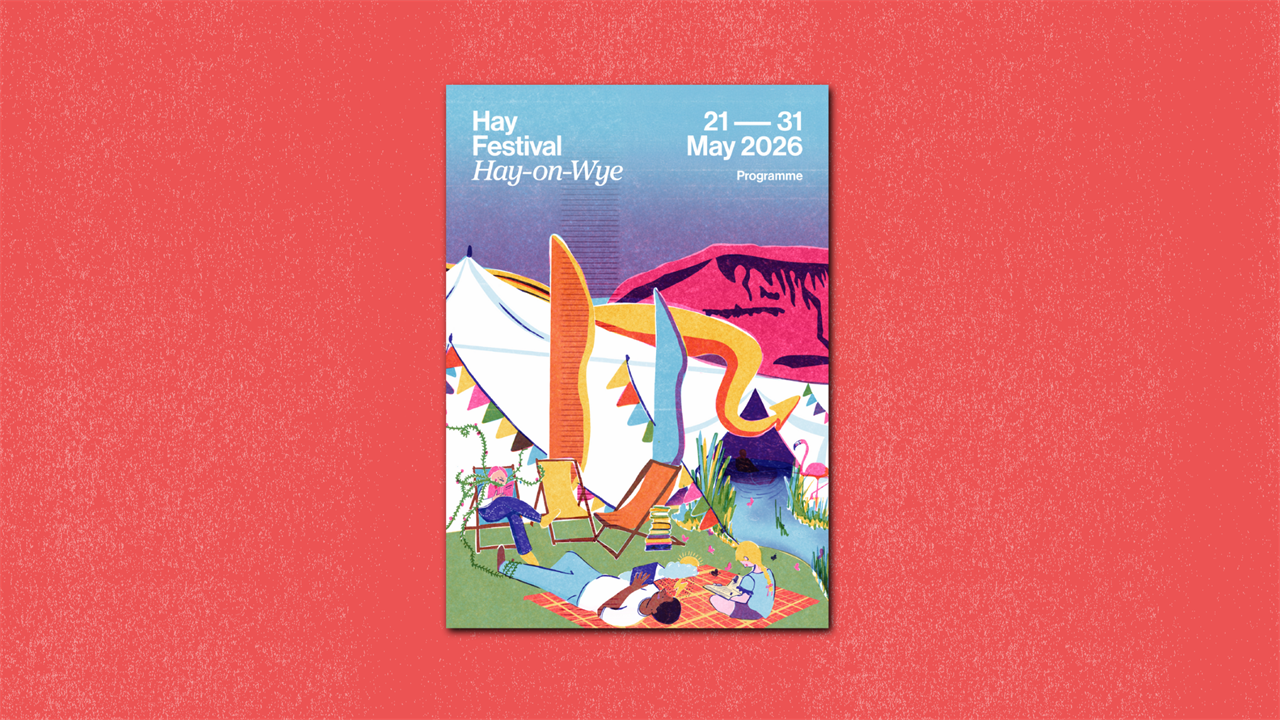
Join Hay Festival 2026, 21st–31st May. The full programme is now out!
“Come and hear the writers share and discuss some of their recent work. The Hay Writers’ Circle is a dynamic group, active in Hay for more than 40 years. It offers three competitions annually for poetry, fiction and non-fiction, each of which is open to both members and non-members. There is an active work in progress group for those working on longer projects. The Circle has an ongoing, productive relationship with a local primary school.”
copyright – ECvW 2025
And Finally – HWC Poetry Competition – Deadline 7th April 2026
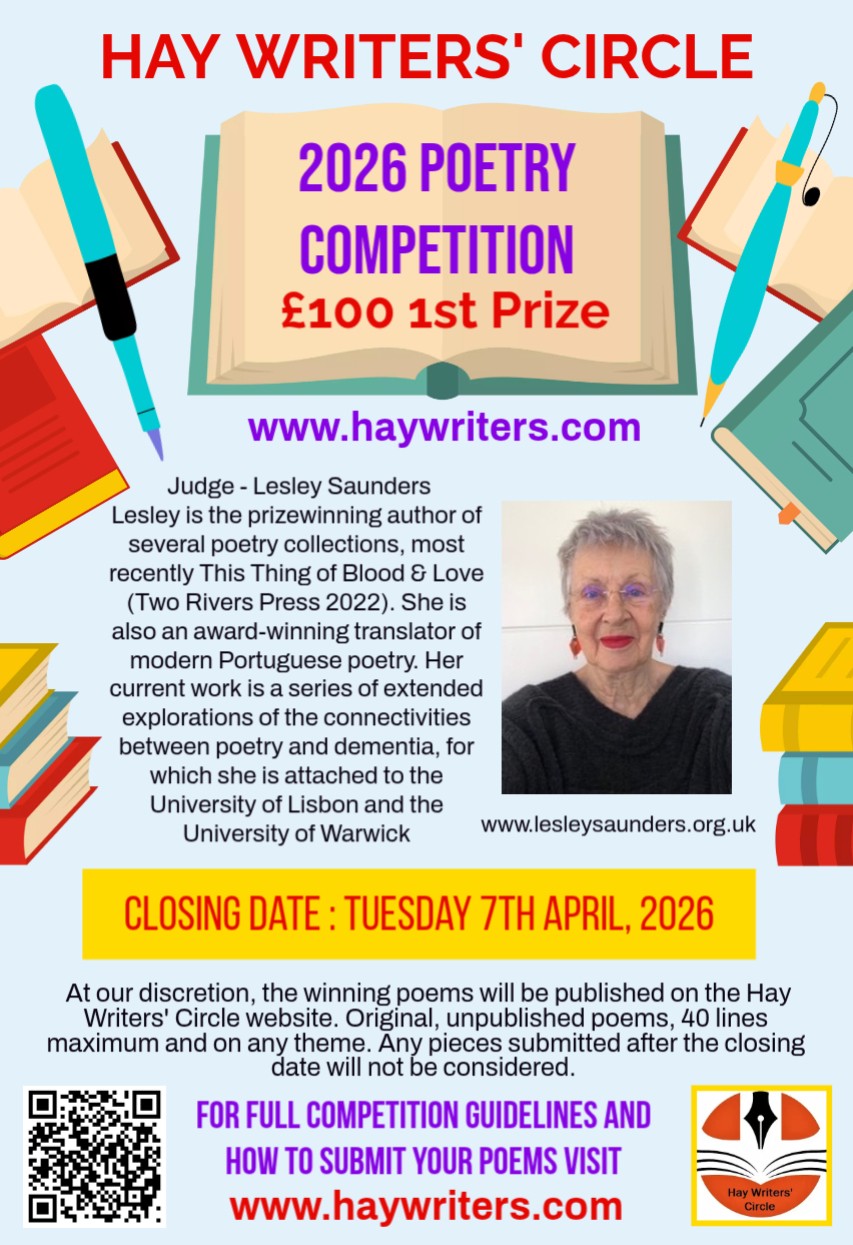
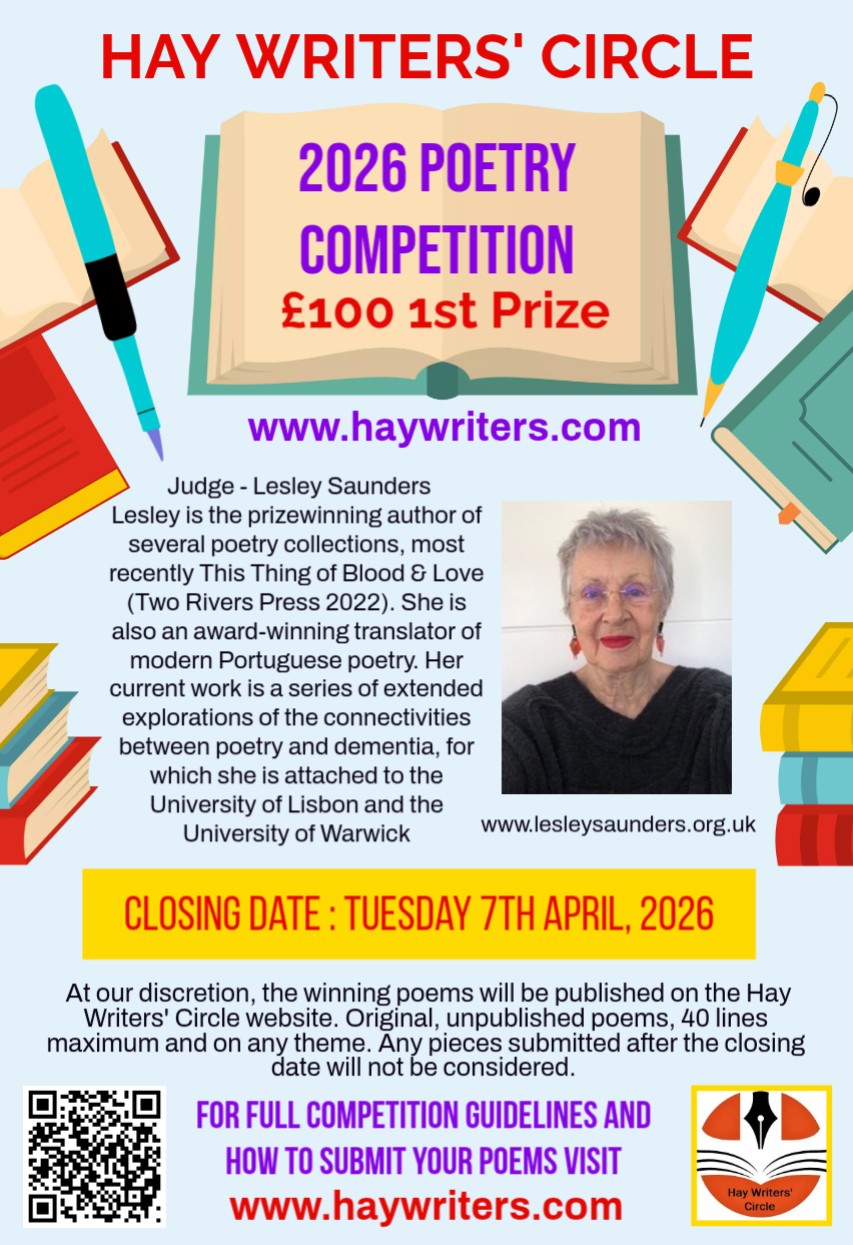
There’s still time to enter our 2026 Poetry Competition. The theme this year is entirely open and we hope to receive a wide variety of poems and poetry styles. The first prize winner will receive £100 prize money, with cash prizes for 2nd and 3rd placed poems.
Recently we were delighted to welcome Tammy Allen to our group. Tam is a dedicated Mental Health Counsellor from the Swansea Valley. She has recently had a book of poems published by The Conrad Press. Tam’s poems deal with her own experiences of loss, grief, healing and the profound acceptance which comes from adversity. Each piece is beautifully illustrated by Sion Rees. Her poems celebrate the strength found in vulnerability and the courage to face the challenges life brings. They are heartfelt and deeply moving. Tam hopes that her words will help her readers to connect with their own stories and discover their innate resilience.
“Tam’s poetry delves into the voice of her inner child, bringing to light the struggles faced in unlit storms. This memoir is not about assigning blame; rather, it celebrates the strength found in vulnerability and the courage to confront the challenges that life presents.”
Roots by Tam Allen, published by The Conrad Press ISBN 978-1917673822 – is available to buy via online bookstores, including Amazon, Waterstones and Bookswagon #rootsbytam
HWC Poetry Competition 2026
There’s still plenty of time to enter our 2026 Poetry Competition and we are thrilled that our judge is the wonderful, Lesley Saunders. The theme this year is entirely open and we hope to receive a wide variety of poems and poetry styles for this competition. The first prize winner will receive £100 prize money, with cash prizes for 2nd and 3rd placed poems.
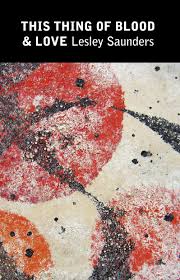
Lesley is the prizewinning author of several poetry collections, most recently This Thing of Blood & Love (Two Rivers Press 2022) and, with artist Rebecca Swainston, Days of Wonder (Hippocrates Press 2021), a poetic record of the first year of the Covid pandemic. She is also an award-winning translator of modern Portuguese poetry. Her current work is a series of extended explorations of the connectivities between poetry and dementia, for which she is attached to the University of Lisbon and the University of Warwick. See www.lesleysaunders.org.uk For a selection of Lesley’s publications, please CLICK HERE
Of the competition, Lesley says: ‘I want to read work that treats language as a medium like paint or music to make something new. I will be looking for poems that surprise as well as delight me, that show the poet exploring ideas and images with precision as well as imagination. I would like the poem to contain a swerve or leap just before it comes to an end – a poem that knows from the start how and where it will end is less likely to have surprised its writer and risks withholding a necessary pleasure from its readers. I have no preference for the form in which a poem is written – only in the skill with which the poet deploys the form s/he has chosen, including (or especially) free verse.’
Remember, anyone can enter this poetry competition, all details on our Competitions page, and we can’t wait to read your amazing poems.
Good luck!
Hay Festival 2026
Join Hay Festival 2026, 21–31 May. The full programme is out 9 March.
Copyright – Hay Festival 2026
“Pre-order your Hay Festival 2026 print programme. Programmes are currently in production and will land on your doorsteps from mid-March onwards.
In line with our ongoing sustainable management agenda, we send full printed programmes only to those who order them. We ask you to pay a small postage and packing charge of £4 per programme.”
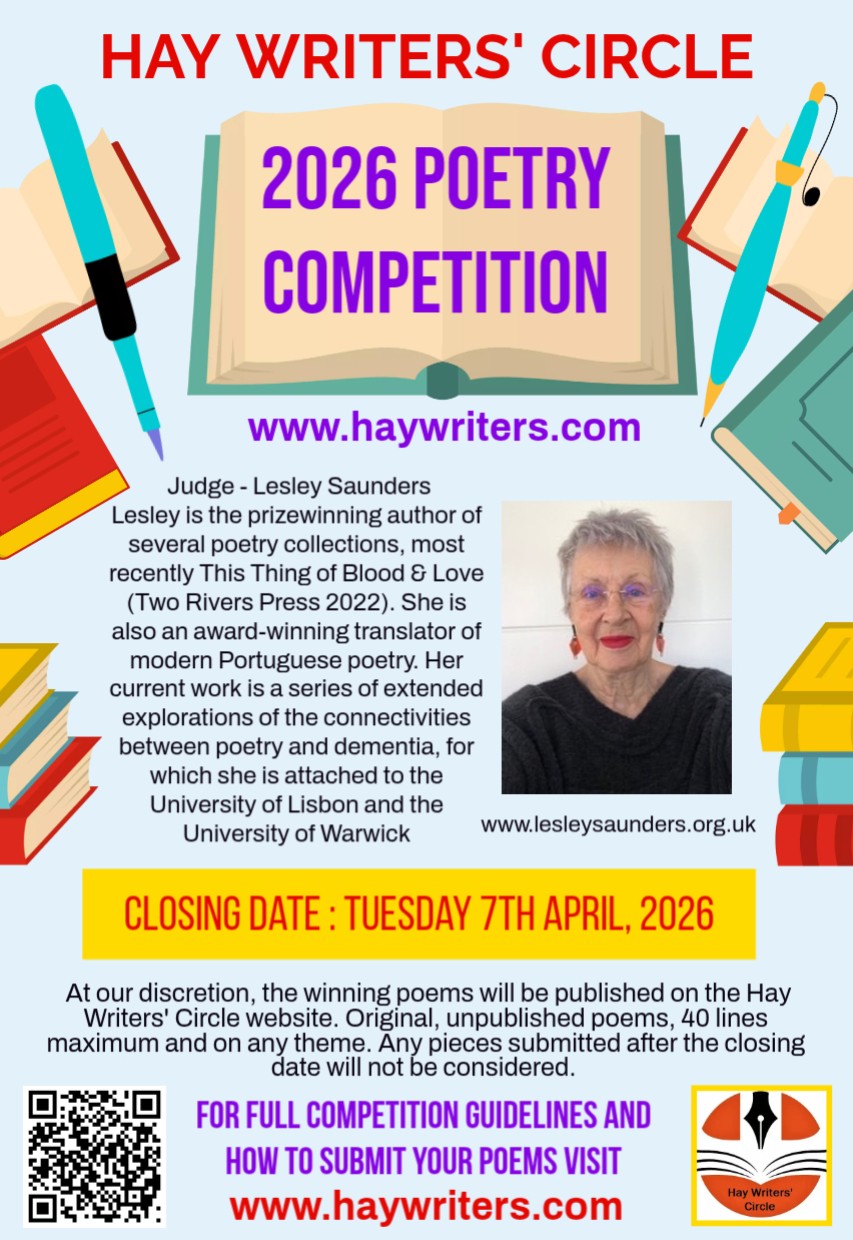
Submissions are now invited for the annual Hay Writers’ Circle Poetry Competition, and we are thrilled to announce the judge for 2026 is the wonderful Lesley Saunders. The theme this year is entirely open and we hope to receive a wide variety of poems and poetry styles for this competition. The first prize winner will receive £100 prize money, with cash prizes for 2nd and 3rd placed poems.
Lesley is the prizewinning author of several poetry collections, most recently This Thing of Blood & Love (Two Rivers Press 2022) and, with artist Rebecca Swainston, Days of Wonder (Hippocrates Press 2021), a poetic record of the first year of the Covid pandemic. She is also an award-winning translator of modern Portuguese poetry. Her current work is a series of extended explorations of the connectivities between poetry and dementia, for which she is attached to the University of Lisbon and the University of Warwick. See www.lesleysaunders.org.uk
(On This Thing of Blood and Love) – Saunders’ poetry skates on thin ice, stylishly, gracefully, aware of the risks’ — Jeremy Hooker
For a selection of Lesley’s other publications, please CLICK HERE
Of the competition, Lesley says: ‘I want to read work that treats language as a medium like paint or music to make something new. I will be looking for poems that surprise as well as delight me, that show the poet exploring ideas and images with precision as well as imagination. I would like the poem to contain a swerve or leap just before it comes to an end – a poem that knows from the start how and where it will end is less likely to have surprised its writer and risks withholding a necessary pleasure from its readers. I have no preference for the form in which a poem is written – only in the skill with which the poet deploys the form s/he has chosen, including (or especially) free verse.’
– HWC POETRY COMPETITION – FIRST PRIZE £100
The Hay Writer’s Circle Poetry Competition 2026 is open to everyone.
The first prize of £100 with additional cash prizes for 2nd and 3rd placed poems.
The closing date for entries is midnight Tuesday 7th April, 2026 Results will be announced in early May.
Original, unpublished poems of up to 40 lines maximum on any theme.
At our discretion, the winning poems will be published on the Hay Writer’s website. Publication may prevent eligibility for future competitions. All rights remain with the author.
For full competition guide lines and entry form please download the file below :
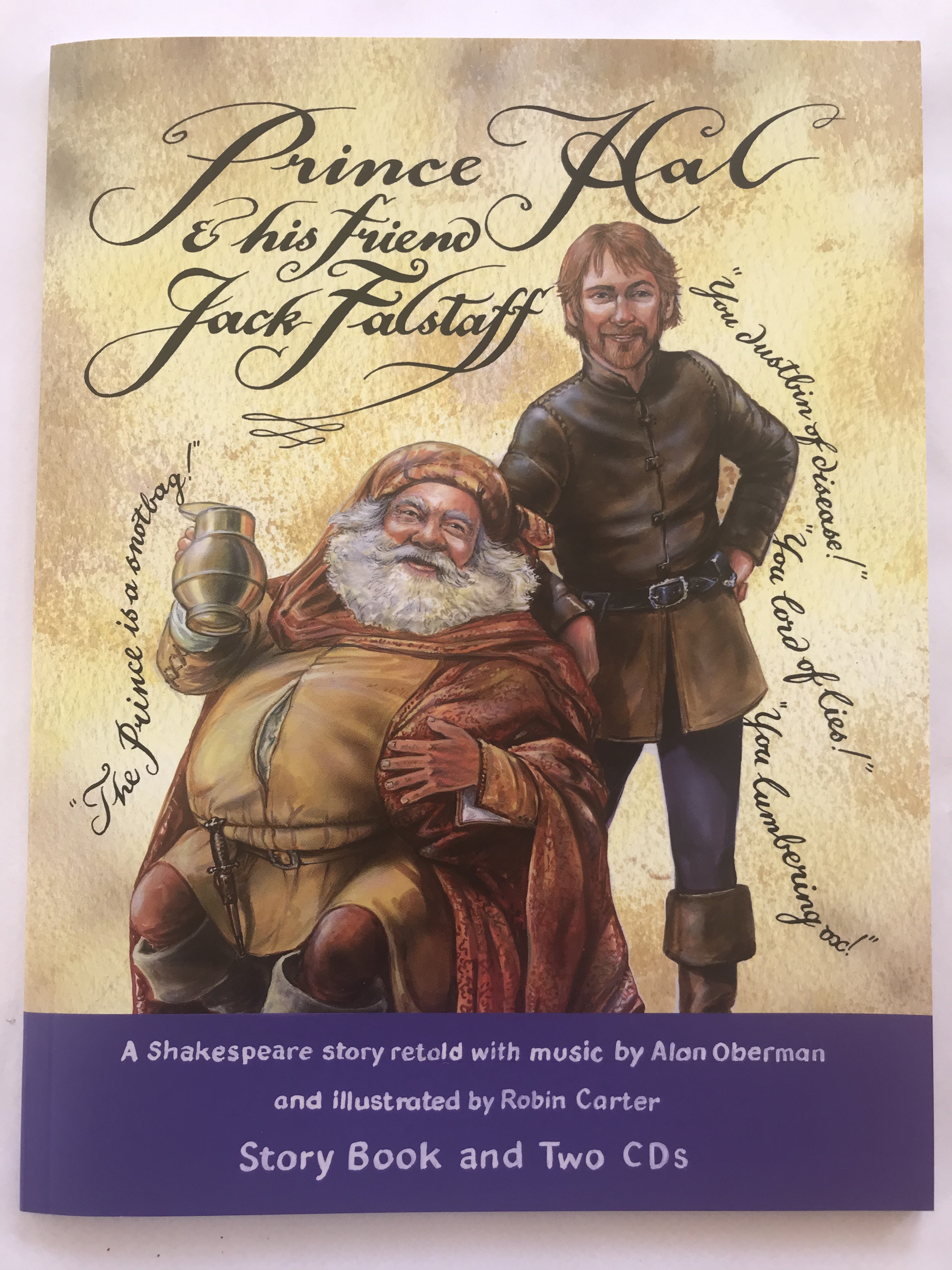
Hay Writers’ Circle Alumni, Alan Oberman, has enjoyed much success with his fine children’s Shakespearean adaptation, Prince Hal and his friend Falstaff. Aimed at Key Stage 3 pupils, this illustrated book is a superb gateway to Shakespeare for younger readers, and the publication comes with 2 CD’s of narration and music. “A real treat“, wrote Sir Richard Eyre.
The book can be purchased direct from Alan – please email : alan.oberman@gmail.com (Copies are freely available from some library authorities too, please ask at your local public library.)
Not one to sit on his laurels, Alan has recently re-written for children Pyramus and Thisby. A short play to be enjoyed in drama classes, or enacted at home for fun. Some of the more difficult language has been cut and some lines skilfully rewritten by Alan in iambic pentameter.
Alan has kindly published the play below for everyone to enjoy. Thank you Alan.
Duke Theseus of Athens is marrying the Princess Hippolyta. As part of the celebrations, there are singers and dancers performing to entertain the couple. A group of five workmen decide they would like to offer a play to entertain the Duke and his bride. They decide on the sad story of Pyramus and Thisby. Shakespeare has written a play called A Midsummer Night’s Dream, where the workmen rehearse the play and then perform it at the court. It’s a play inside a play.
In our Act One, the five workmen will be rehearsing the play, and in Act Two, performing the play to the Duke and his Court.
The story of Pyramus and Thisby
Pyramus and Tisby were two young people who lived next door to each other. They fell in love, but their parents wouldn’t allow them to marry or even be together. There was a small hole in the wall that separated their houses, and the two lovers secretly talked to each other through this hole. They decided they must marry, and the only way they could do that was to run away. Pyramus said, ‘Let’s meet at the tomb of King Ninus.’
Thisby put a veil over her head to hide her face and was the first to arrive at the tomb. As she waited for Pyramus, a lion came walking towards her. The lion had just killed a deer and had blood around its mouth. Thisby saw the lion and ran away as fast as she could. As she ran, her veil fell away from her head. The lion played with the veil, streaking it with blood.
Pyramus arrived at the tomb looking for Thisby. The lion had gone, but Pyramus saw the torn, bloodstained veil on the ground. He thought Thisby must have been killed and dragged away. Pyramus loved Thisby so much that he didn’t want to live without her. He pulled out his sword and stabbed himself, falling to the ground and dying. Thisby came back to the tomb and saw Pyramus. She, too, didn’t want to live without him, so she took his sword and, like Pyramus, she also killed herself.
The five workmen
Peter Quince, a Carpenter, directs the play.
Nick Bottom, a weaver (making cloth), plays the bold knight Pyramus.
Tom Snout, a tinker (selling saucepans), plays the wall with a hole in it where the two lovers talk to each other.
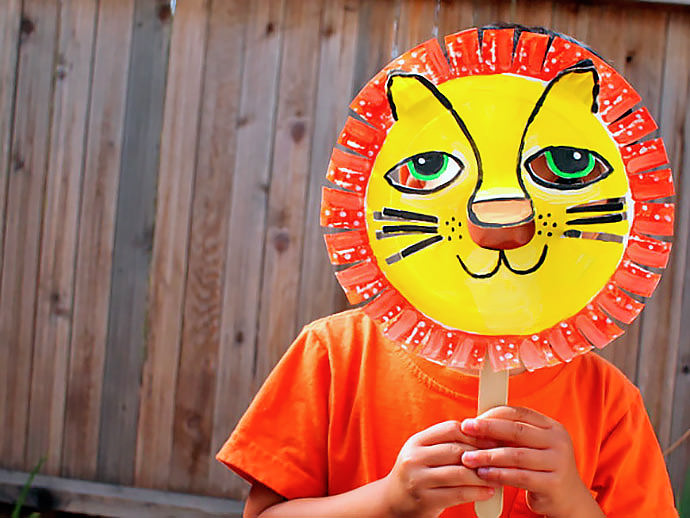
Snug, a joiner (making furniture), plays the lion.
Francis Flute, the bellows-mender, plays the young woman, Thisby, acted in Shakespeare’s day by a young man. Fun to be played by a dad.
The cast might like to paint posters, make programmes and sell tickets.
A wardrobe mistress, makeup artist and stage manager, music and lighting person might be useful.
It’s a tall order to ask the cast to memorise lines so, if needs be, read the parts.
The text of the play below is an adaptation of Shakespeare’s play, attempting to retain as much as possible of the original.
Peter Quince’s final words are taken from Puck’s final speech.
Most performances of Shakespeare’s comedies end with a dance.
THE PLAY
Act One takes place in Peter Quince’s house.
Saws and pieces of wood. Music – Mendelssohn?
Actors behind a screen
Peter Quince comes on first, carrying a file with parts to distribute, then the others one by one, chatting quietly to each other. Let the audience see your face but don’t look at the audience, as you must pretend they’re not there.
All go quiet looking at Peter Quince
PETER QUINCE
Is all our company here?
NICK BOTTOM
Best to call them, generally, man by man
PETER QUINCE (looks at Nick Bottom with a frown)
Here are the names chosen to be in our play
to be performed for the Duke and Duchess on their wedding day at night.
NICK BOTTOM
First Peter Quince say what the play treats on, then read the names of the actors.
PETER QUINCE (glares at Nick Bottom)
Marry, our play is The Most Lamentable Comedy, and Most Cruel Death of Pyramus and Thisbe.
NICK BOTTOM
And a very good play it is, and a merry. Now Peter Quince call out the names of the actors. Masters spread yourselves.
PETER QUINCE
Answer as I call you. Nick Bottom, the weaver.
NICK BOTTOM
Ready. Tell me what part I am and proceed.
PETER QUINCE
You, Nick Bottom, will play Pyramus.
NICK BOTTOM
What is Pyramus? A lover or a tyrant?
PETER QUINCE
A lover that kills himself for love.
NICK BOTTOM
I’d prefer to be a tyrant.
PETER QUINCE (ignoring Nick Bottom’s last remark)
Francis Flute, the bellows mender.
FRANCIS FLUTE
Here, Peter Quince.
PETER QUINCE
Flute, you take the part of Thisby.
FRANCIS FLUTE
What is Thisby? A might knight?
PETER QUINCE
It is the lady that Pyramus loves.
FRANCIS FLUTE
Please, let me not play a woman: I have a beard coming.
PETER QUINCE
You can play it in a mask and speak with a high voice.
NICK BOTTOM
If I can hide my face, let me play Thisby too. I’ll speak with a squeaky voice. ‘Ah Pyramus my dear lover.’
PETER QUINCE
No, no, you must play Pyramus; and Flute, you Thisby.
NICK BOTTOM
Alright, proceed.
PETER QUINCE
Snout, the tinker?
SNOUT
Here Peter Quince
PETER QUINCE
You will play the part of the wall that stands between the two lovers.
Snug, the joiner, you will play the part of the lion. And that’s everybody now.
SNUG
Have you got the lion’s part written down? If so, can I have it now because I’m slow to learn my part.
PETER QUINCE
You can do it how you like because it’s nothing but roaring.
NICK BOTTOM
Let me play the lion too. I will roar so they will love to hear me. And the Duke will say, ‘Let him roar again – let him roar again!’
PETER QUINCE
And you’ll do it terribly, frightening the Duchess and all the ladies.
NICK BOTTOM
I will aggravate my voice so that I will roar you as gently as any sucking dove: I will roar you like a nightingale.
PETER QUINCE
You can play no part but Pyramus: for Pyramus is a sweet-faced man; a most lovely gentleman-like man. So you must play Pyramus. Masters here are your parts, and I entreat you, request you and desire you to learn them by tomorrow night.
(The actors – except Peter Quince – go into a huddle, murmuring together)
NICK BOTTOM
Dear Peter Quince, please know there is no way
To learn our lines before the wedding day.
PETER QUINCE (ponders – then reluctantly)
So, if you cannot learn the words by heart,
Then take your lines on stage and read your part.
ACT 2
In the palace of Duke Theseus
The Duke and Duchess, together with the Court, make up the audience. You are performing to them, so look at them. The audience can ad lib comments about the acting.
PETER QUINCE
Gentles, for your delight, we act our play
Pyramus, and Thisby, who lived next door.
They hatched a secret plan to run away
And meet at Ninus Tomb. But now, no more
Because our first actor I now will call.
(Snout, Wall, doesn’t come – so repeat)
Because our first actor I now will call.
SNOUT (Wall)
I Snout by name present a wall
And my fingers make this hole you see
Through which the lovers whisper secretly.
DUKE
This is the best speaking wall I’ve ever heard.
DUCHESS
It’s such a very small wall, it hardly needs a chink at all.
NICK BOTTOM (Pyramus) (comes on)
We shall meet in the night when day is not
(looking around but can’t see Thisby)
I fear my Thisby’s promise is forgot
And thou O wall O sweet and lovely wall
That stands between her father’s ground and mine
Thou wall, O wall, O sweet and lovely wall,
Show me thy chink to blink through with mine eyne.
(Snout lifts up fingers to make the hole)
Thanks lovely wall whom Jove will surely bless
But what see I? No Thisby do I see
O wicked wall, to stop my happiness
Cursed be thy stones for thus deceiving me.
DUKE
Since the wall can speak, she should answer him back.
NICK BOTTOM (Pyramus) (speaking to Duke)
No, no, you see “deceiving me” is Thisby’s cue to come on.
(Francis Flute comes on)
FRANCIS FLUTE (Thisby)
O wall, full often hast thou heard my moans
For parting my fair Pyramus and me
My cherry lips have often kissed thy stones
Thy stones with lime and hair knit up in thee.
NICK BOTTOM (Pyramus)
I see a voice: now will I to the chink
To spy an I can hear my Thisby’s face.
Thisby?
FRANCIS FLUTE (Thisby)
My love! Thou art my love, I think.
NICK BOTTOM (Pyramus)
It is indeed your love who’s in this place.
O kiss me through the hole of this vile wall.
FRANCIS FLUTE (Thisby)
I kiss the wall’s hole, not your lips at all.
NICK BOTTOM (Pyramus)
Will thou at Ninny’s tomb meet me straightway?
FRANCIS FLUTE (Thisby)
‘Tide life, ‘tide death, I come without delay.
(Exit Nick Bottom (Pyramus) and Francis Flute (Thisby))
SNOUT (Wall)
I wall, having completed my part now
Have nothing more to do but take a bow.
(Exit Snout, (Wall))
DUCHESS
This is the silliest stuff that ever I heard.
(Enter Snug(Lion))
SNUG (Lion)
(Comes on with the lion mask, but takes it off to make this speech)
You ladies who are frightened and have fear
Of even the smallest mouse on the floor
May now perhaps both shake and tremble here
When lion rough in wildest rage doth roar
Then know that I am Snug the joiner here
Pretending to be lion so have no fear.
(Snug (Lion) puts the lion mask on again)
DUKE
This is a very gentle beast, a very caring lion.
(Enter Francis Flute (Thisby))
FRANCIS FLUTE (Thisby)
This is old Ninny’s tomb. Where is my love?
(Snug (Lion) roars. Francis Flute (Thisby) drops her veil and runs off. Snug (Lion) tears at the veil, leaving it red with blood, then leaves)
DUCHESS
Well roared lion
DUKE
Well run Thisby
(Enter Nick Bottom (Pyramus))
NICK BOTTOM (Pyramus)
Oh moon, now blazing, beaming, brilliant bright,
I thank thee moon for making all so clear
And with your gracious glittering golden light
Now guiding me to find my Thisby here.
All quiet in this empty place
But what’s this? A piece of lace.
Eyes do you see
How can it be?
Thisby’s veil she wore on her head
Torn and awfully bloody red
Does it mean my love is dead?
Oh no, no, no, Oh woe
What a blow!
It can’t be so.
DUKE
This passion would almost make one feel sad
NICK BOTTOM (Pyramus)
Why nature did you make a lion’s claws
To take my Thisby with it’s bloody jaws
Out sword, seek my heart
Pierce my breast like a dart
In the chest of Pyramus
Thus die I, Thus, thus, thus, thus.
(Nick Bottom (Pyramus) stabs himself)
Now I am dead
Now I am fled
My soul is in the sky
Now die, die, die, die, die.
DUKE
Who knows, with the help of a doctor, he might recover.
(Francis Flute (Thisby) comes on)
DUKE
Ah, here’s Thisby and with her passion comes the end of the play.
DUCHESS
I hope she doesn’t take as long about it as Pyramus.
(Francis Flute (Thisby) on seeing the dead Pyramus)
FRANCIS FLUTE (Thisby)
Asleep my love
What dead my dove
These lily lips
This cherry nose
These yellow cowslip cheeks
Are gone, are gone
Lovers make moan
His eyes were green as leeks
Tongue not a word
Come trusty sword
Come blade my breast imbrue
(Stabs herself)
And farewell friends
Thus Thisby ends
Adieu, adieu, adieu.
(Nick Bottom (Pyramus) and Francis Flute (Thisby) lie dead.)
DUKE
Oh dear, what a sad play.
DUCHESS
And this all upon our wedding day.
(Suddenly, Nick Bottom (Pyramus) gets up. Followed by Francis Flute (Thisby) more slowly)
NICK BOTTOM (Pyramus)
Gentles, don’t be so sad
You see we’re not really dead.
(Snug (Wall) and Snout (Lion) come on, followed by Peter Quince)
PETER QUINCE
If we shadows have offended,
Think but this and all is mended
That you have but slumbered here
While these visions did appear
And this weak and idle theme
No more yielding but a dream
And with your hands let us know
That you liked our little show
So Pyramus (Pyramusbows) Thisby (Thisbybows) Lion (Lionbows) and Wall (Wall bows)
Say goodnight unto you all.
ALL DANCE
Next Update – Details of our 2026 Poetry Competition.
If you want to read about all our up and coming news, events and competitions, don’t forget to subscribe with your email address in the box below
It’s 2026! Suddenly we are a dozen days into January, and perhaps still considering a multitude of New Year Writing Resolutions. What shall I write next? What old piece of writing shall I revisit and edit? What writing project will be finished this year?
Of course, if you are writing you must also be reading. In the UK there is a huge drive towards 2026 being the Year Of Reading. Government Departments, Schools, Libraries, Literary Agencies, Trusts and Foundations, as well as Literary Festivals are all doing their part to positively promote the written word, whether in printed or digital formats.
As writers, reading is perhaps our greatest tutor. It introduces us to a vast language, writing skills and styles, it broadens our imagination, we can research information, and best of all, it’s thoroughly enjoyable, rewarding for everyone and great for our well being too. So while you are jotting down your list of writing projects for 2026, don’t forget to add in a little reading around the subject. As author, Stephen King says, ‘If you don’t have time to read, you don’t have the time (or the tools) to write.’
News –2025 Fiction Competition Now Closed
A huge thank you to everyone who entered The Frances Copping Memorial Prize 2025 Fiction Competition. Our judge, Holly Müller, is currently working her way through the entries and we will announce the results in the weeks to come.
Writing Worth Reading
In this new section we will be sharing a piece of work written by a present or past member of Hay Writers’ Circle. For our first offering, HWC Chair, Corinne Harris begins with a poem. We hope you enjoy it.
“HUPEL” By Corinne Harris
I whisper to my big black cat,
into his twitching velvet ear.
I hold him close, upright, the way he likes,
his head on my shoulder.
He is thinner now.
The obsidian night of his coat is
scattered with snowy galaxies.
I remind him of his prime.
When he strode like Caesar down the road,
his tail a battle banner, ears alert for dissent.
I remind him of his might.
How he would cow the dog,
sitting magisterial in her bed whilst she cringed.
I tell him of his prowess in war.
Of his wounds proudly borne,
of his battle cry sounding plangent in the night.
I tell him he was a fine hunter,
sliding like satin through the night,
the lambent amber of his eyes turned to green searchlights.
Tracking, pouncing, biting –
feeling the crunch of tiny bones and the warm spurt of blood.
Slinking to my bed in the early hours,
with blood on his soul.
Breaking my sleep with triumphal purrs,
and kneading loamy paws.
I say, “thank you for staying with me.
Thank you for your warm-furred purry presence”.
I tell him he is my Panther Prince,
He is purring softly – it comforts us both.
Then the purrs cease and
he is taken gently from my arms.
On the steel of the vet’s table he is diminished.
I drop a last kiss
‘goodbye’.
If you want to read about all our up and coming news, events and competitions, don’t forget to subscribe with your email address in the box below.
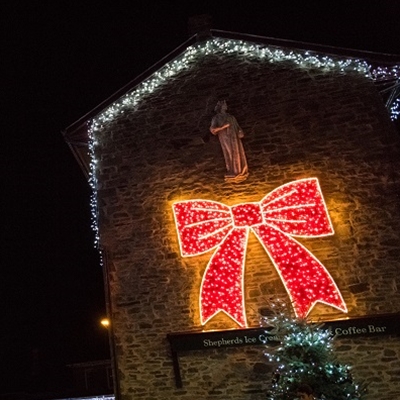
The wonderful Hay-on-Wye Christmas Lights have been switch on and the whole of the town is illuminated with the bright lights of literature, imagination and ideas.
We’ve enjoyed animated discussions, art, storytelling, comedy, music, family workshops, seasonal markets, the splendid Hay Castle and of course, many many bookshops. We’ve queued in the cold, in the darkness, but always warmed by tales from our fellow adventuring companions, many of whom have travelled from afar just for a taste of our home town of Hay. We hope they all had the best time and look forward to seeing them again very soon.
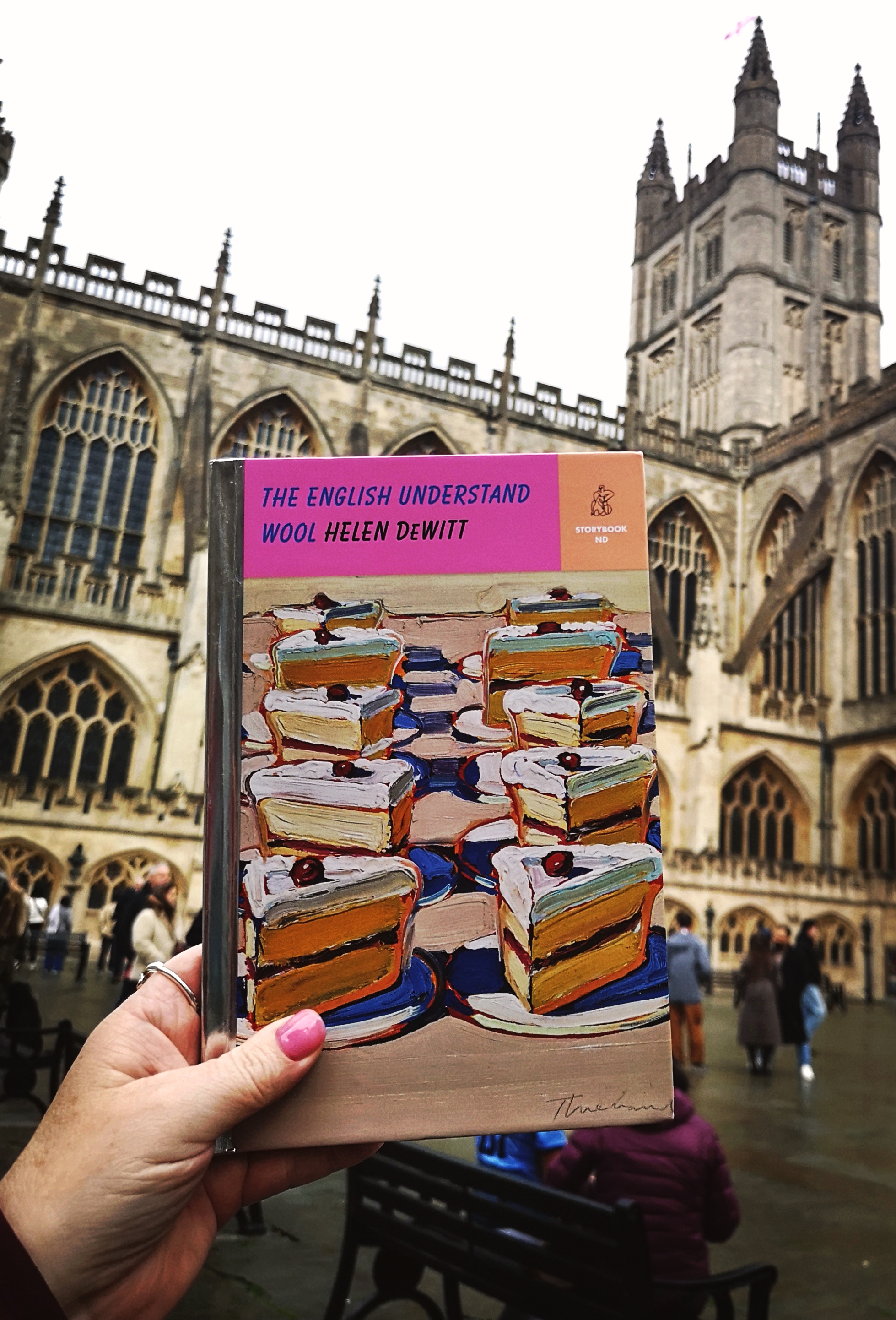
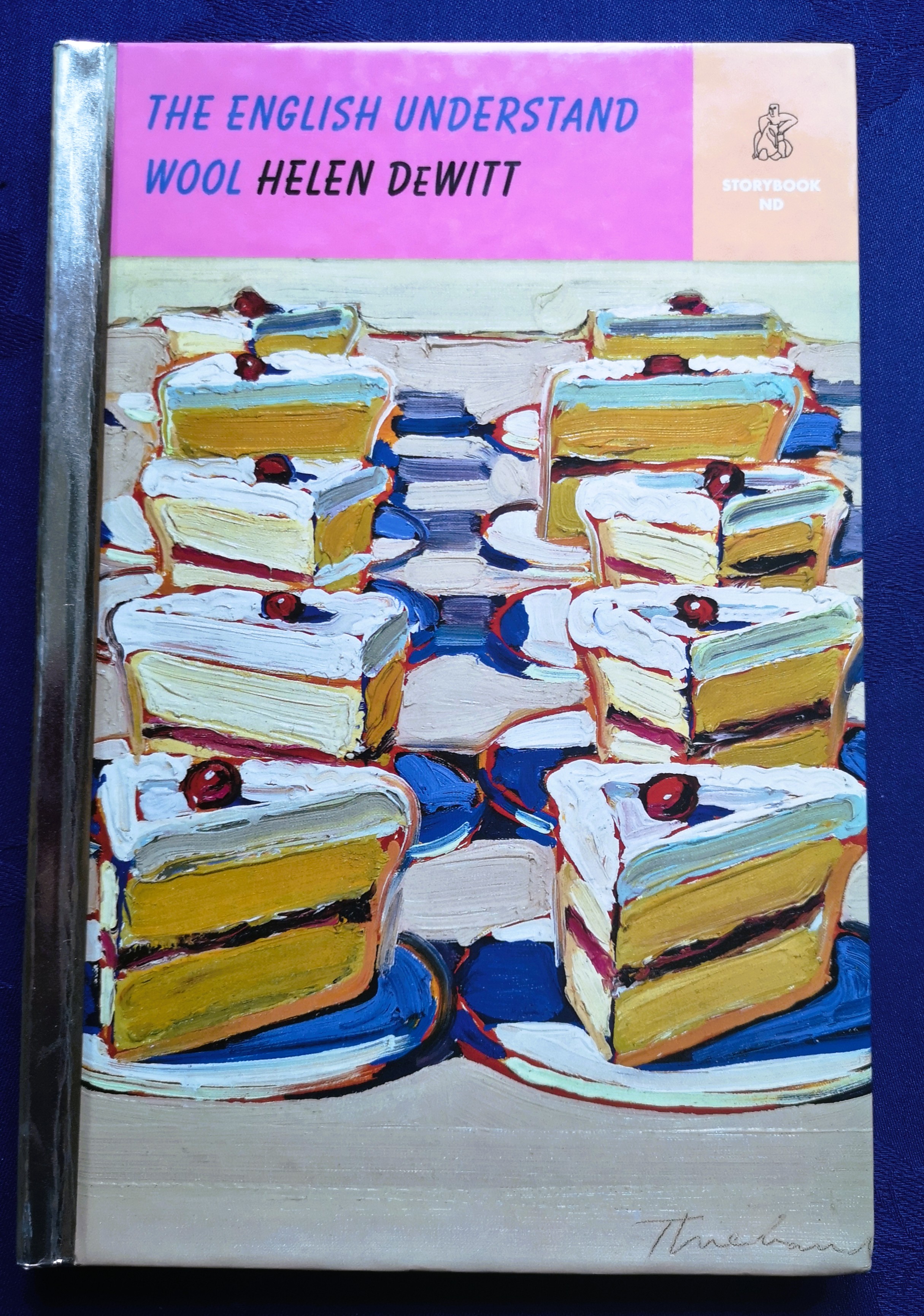
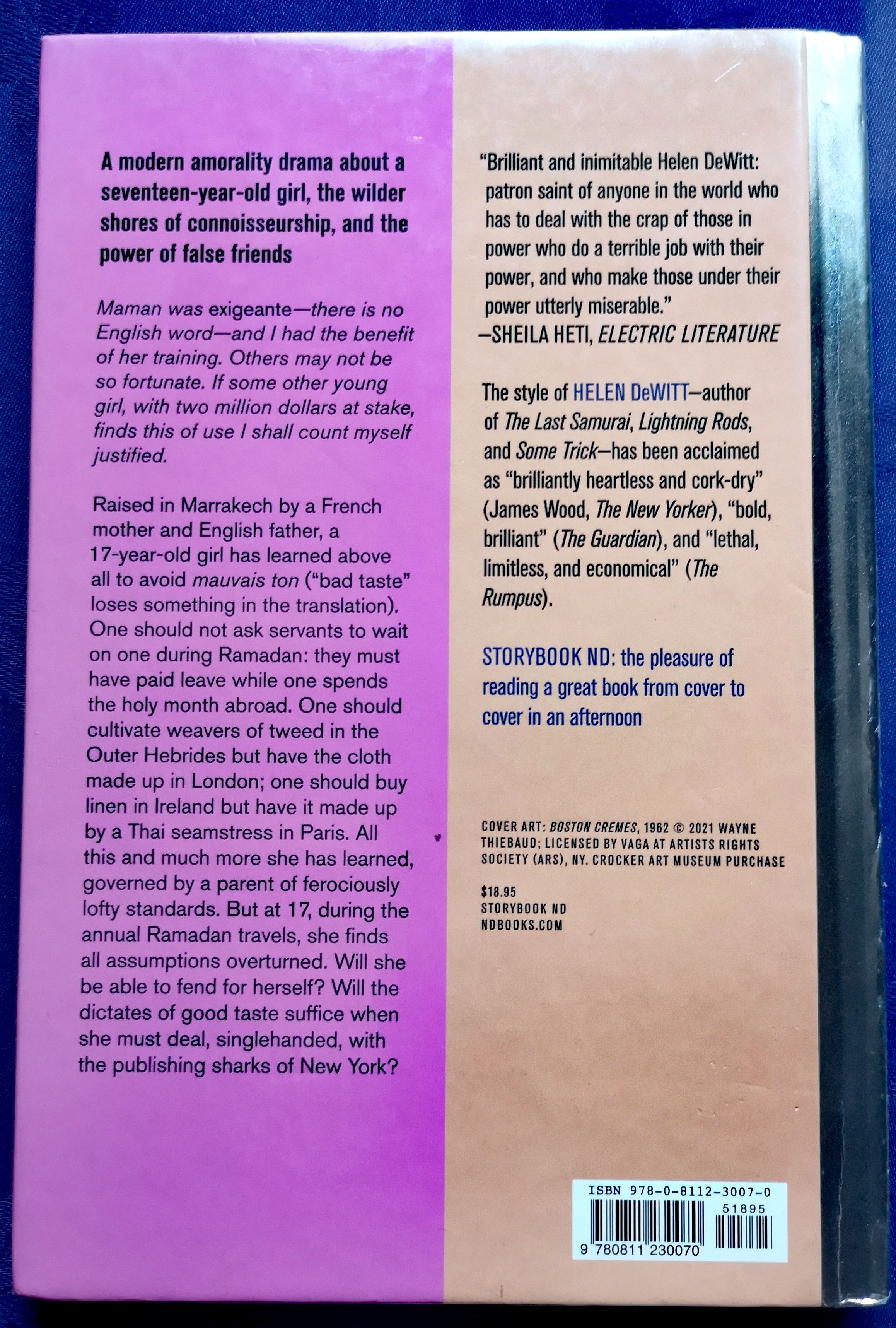
“Could you spare an hour?” A phrase we are often asked, but rarely does it involve reading the whole of a 64 page novel and immediately wanting to spend another hour re-reading it again.
This is exactly where I found myself with The English Understand Wool by Helen Dewitt. It’s a superbly crafted, dark-humoured, satirical book. It subtly takes aim, among other things, at what is classed as ‘etiquette/connoisseurship’ or acting with ‘poor form’, (“mauvais ton”). It also takes a well-mannered swing at the commercial deeds/misdeeds of the publishing industry. The reader is constantly being asked, what is good or not good, what is legal or illegal, what makes a victim, and what does it mean to me victimised.
This story really does reward it’s reader with numerous exquisite twists. Each line of text is beautifully edited down to the essentials; words are precious and the author is succinct in their usage. Even our main character is refined in every way.
Are you beginning to see why this clever little book deserves more than a single glance?
As Heather Cass White, Times Literary Supplement wrote:
“It is a heist story, an ethical treatise, a send-up of media culture, a defence of education and an indelibly memorable character portrait. Its pages are rife with wicked pleasures. It incites and rewards re-reading.”
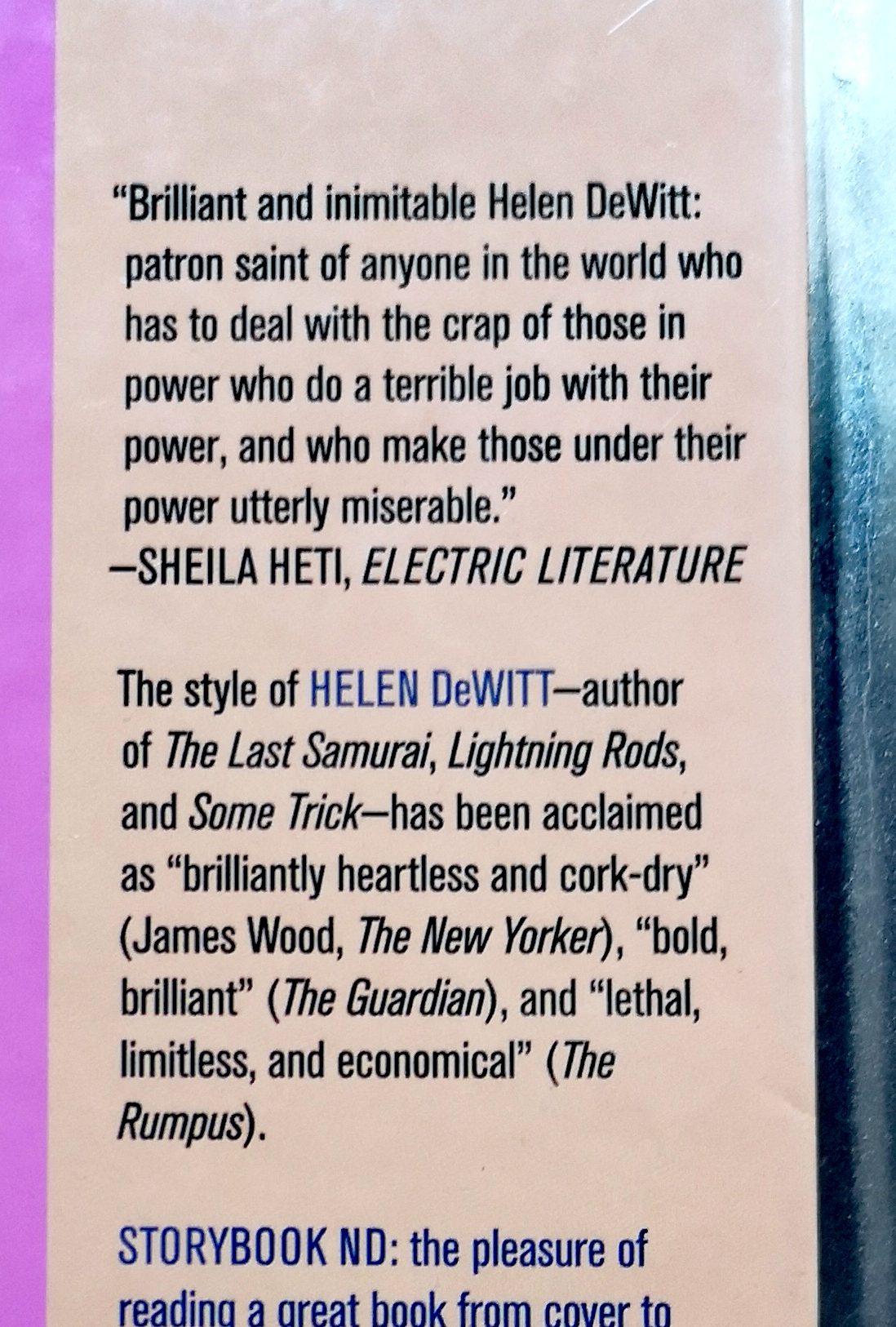
Although the quintessential review of this book (and perhaps modern life in general) is by Sheila Heti of Electric Literature, and is featured on the rear cover………I urge you to enjoy both!
– Reminder our 2025 Fiction Competition is now OPEN!
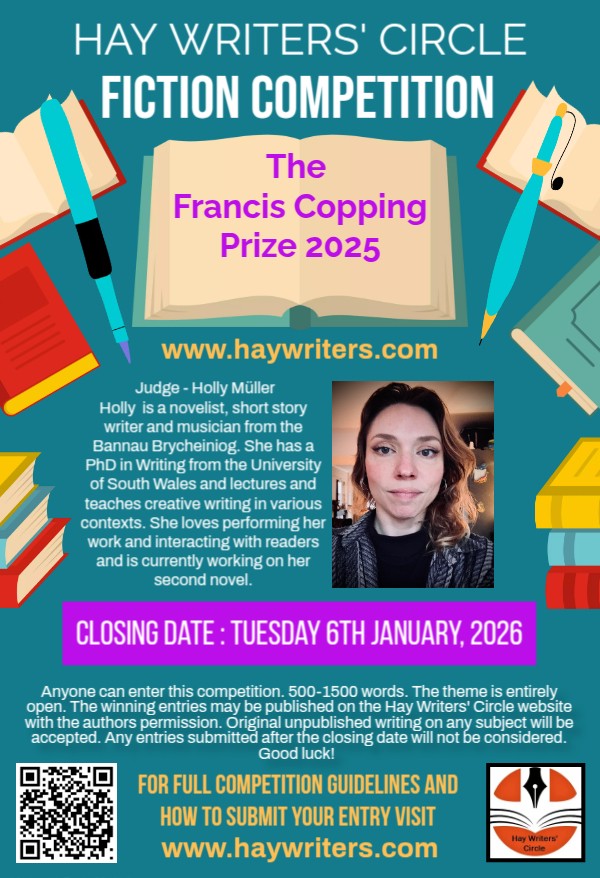
Submissions are now invited for our annual Fiction Competition, The Frances Copping Memorial Prize 2025, named in fond remembrance of our Lifetime President who sadly passed away in 2020.
The competition is open to everyone, members of Hay Writers’ Circle and non-members too. Pieces of 500-1500 words on any fiction theme are accepted. Closing date for entries is Tuesday 6th January 2026. Prizes are awarded for first, second and third place.
Please follow the guidelines listed on our COMPETITIONS page if you would like to enter.
You can contact writers4haycomp@gmail.com if you have any questions or queries.
Click on the link below to download the entry form :
Taking on the leadership of any community group, particularly such a well-respected and dynamic one as Hay Writers’ Circle (HWC), is not a task to be taken on lightly. It requires focus, commitment and no small amount of energy. Fortunately for happy foot soldiers like myself, there are those impressive souls who not only enjoy such a challenge but relish it.
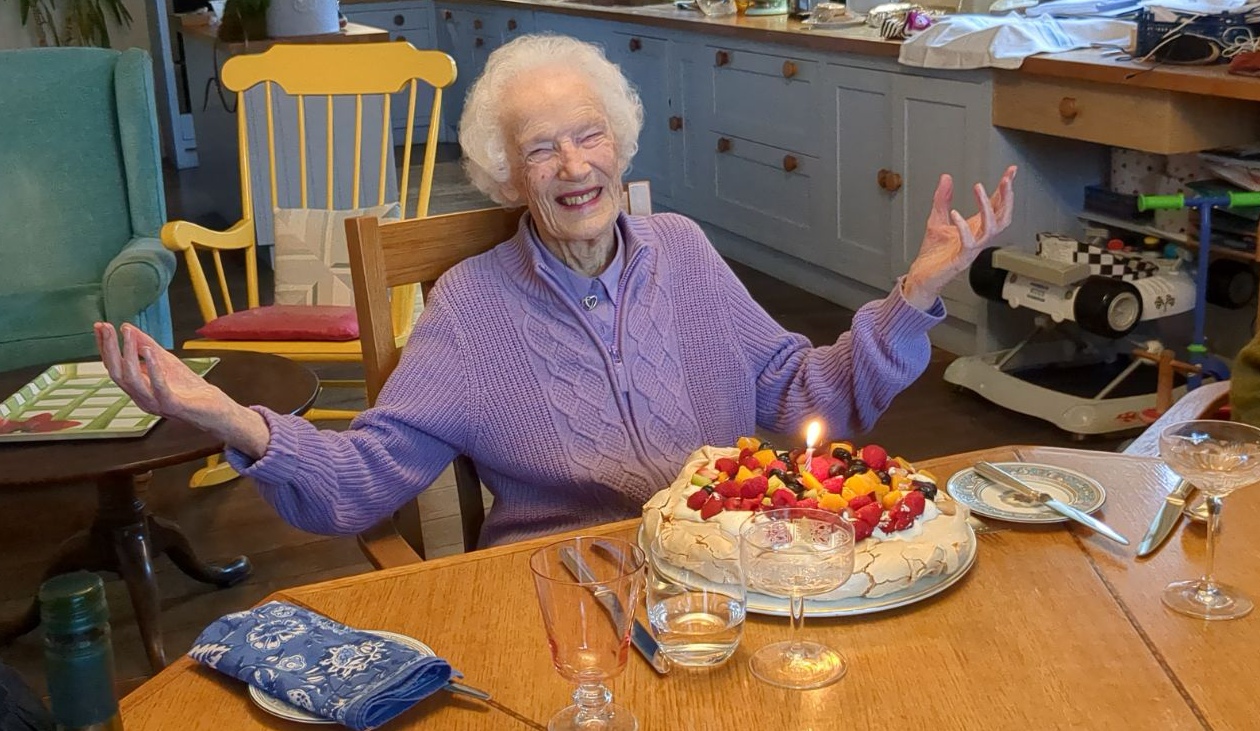
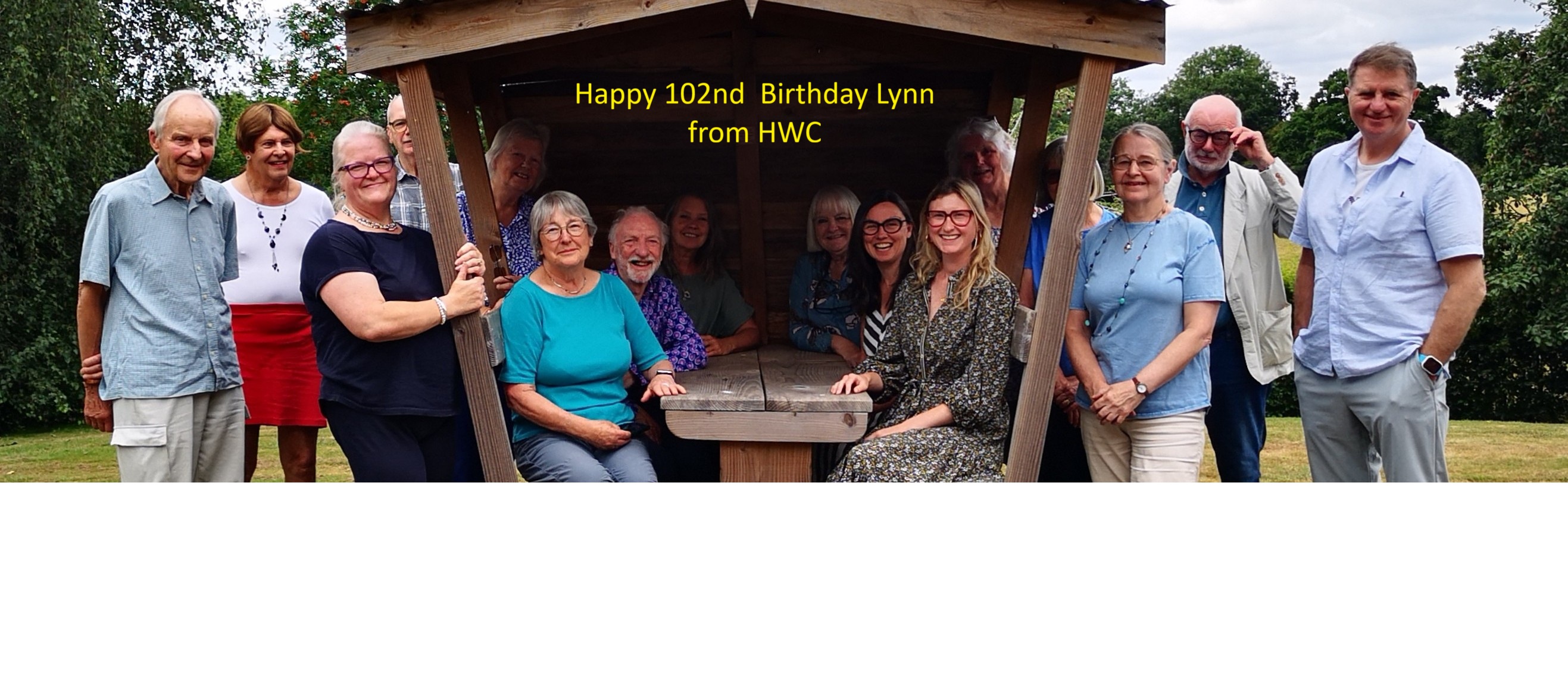
Early one afternoon in September 2025, I joined fellow member of the Hay Writers’ Circle, Emma van Woerkom, in Brecon town to meet such a person, someone who through a fusion of talent, strength of character and sense of purpose, has conjured up not just wonderful things for HWC but a rich and fulfilling life for herself. And all this from a rather inauspicious start.
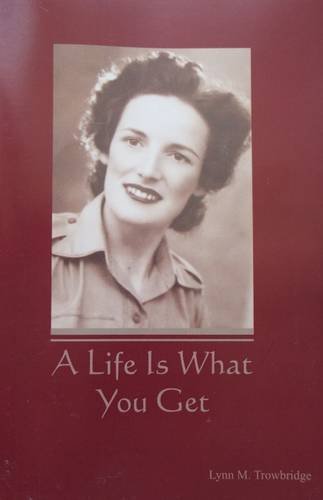
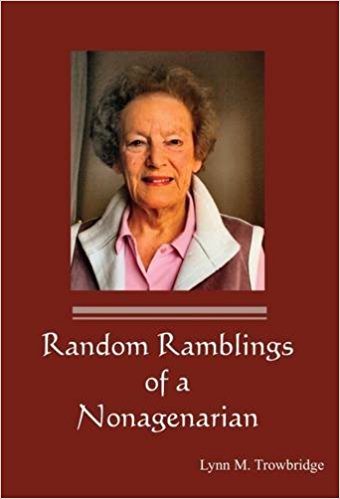
At the time of our get-together, Lynn Trowbridge is fast approaching her 102nd birthday. It would be easy to venerate her for this fact alone, but this would do her a great disservice. You only need to read her books ‘A Life is What You Get’ and ‘Random Ramblings of a Nonagenarian’ to recognise that at her core, this woman is a powerhouse. She may no longer be able to control a bolting horse nor use this same athletic prowess to fill her display cabinets with silverware, but given her mental acuity, I wouldn’t be at all surprised if – given the chance – she could, once again, win a car for her management skills.
As we talk, she outlines her HWC successes with honesty, wit and humour and is always quick to give those involved in each undertaking equal or sometimes greater billing – an approach very much reflected in her books.
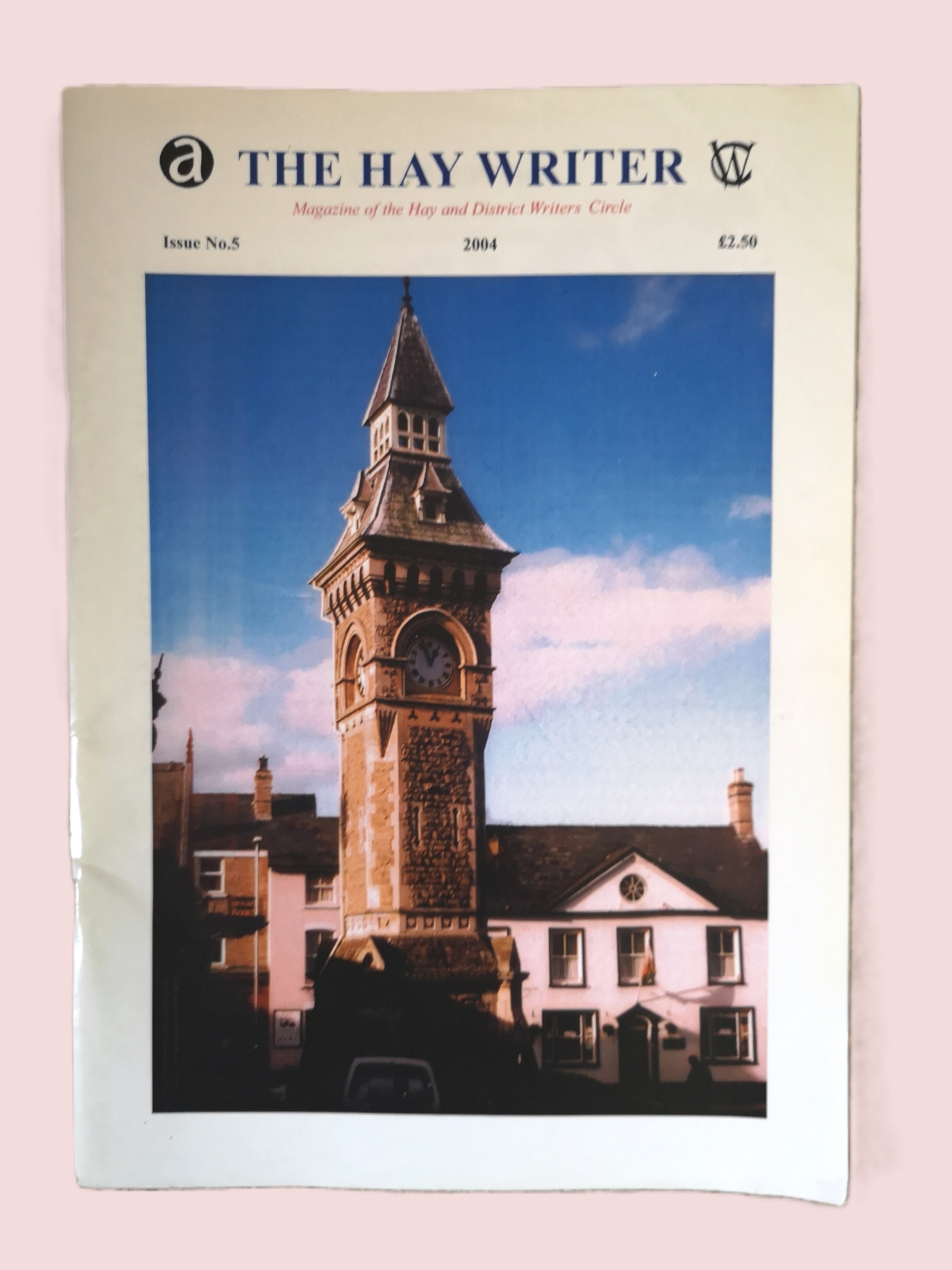
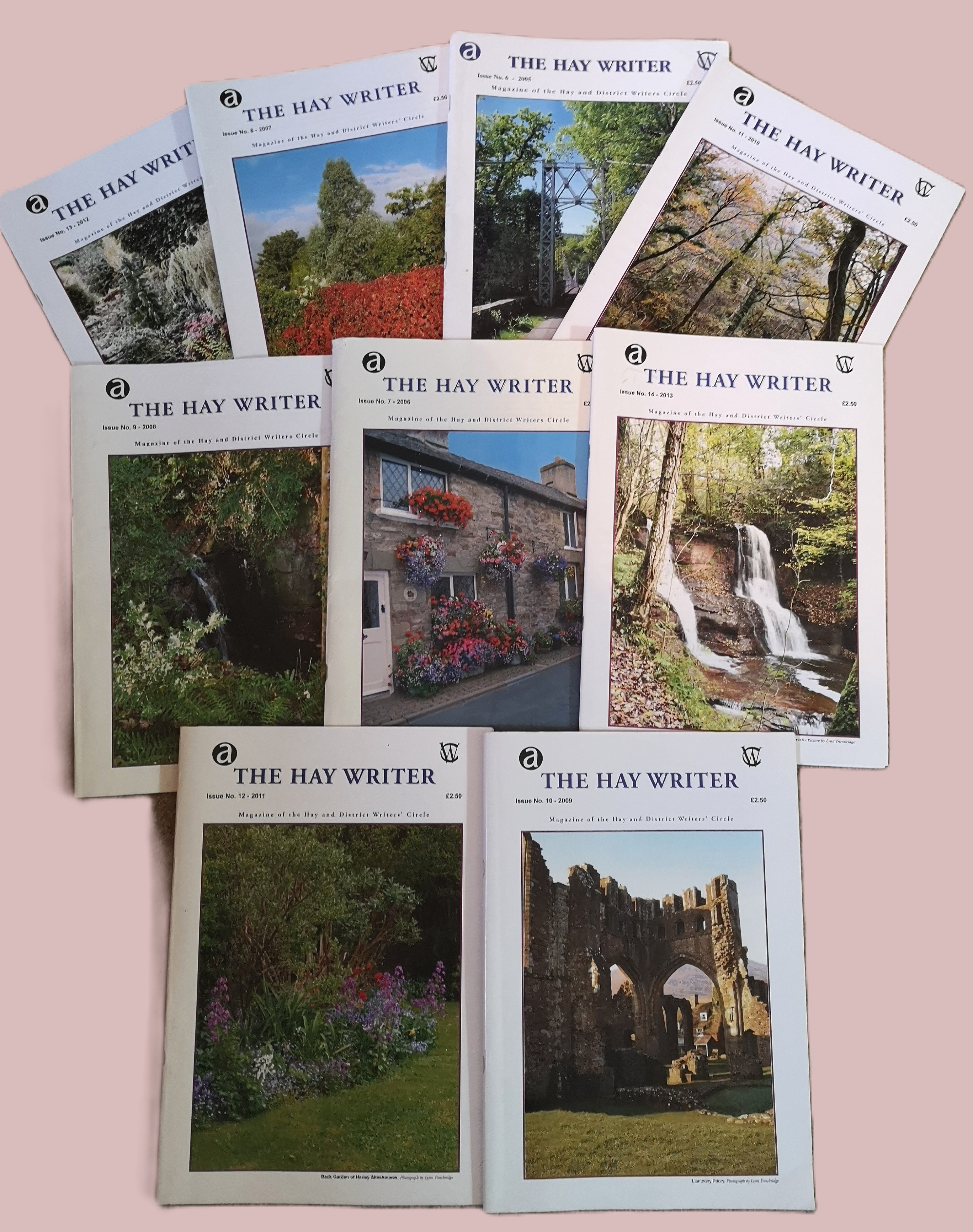
Lynn begins by telling us how from the outset it was obvious to her, given that within the group there were both published and unpublished writers, a new HWC focused print medium was required; one that served the needs of every member regardless of their publishing status or experience. It would also be best if this were not just a one-off, as had been produced before, but a year in, year out publication. There was only one contender: a magazine, an annual one, sustained and funded by advertising and sales.
Lynn took charge of its front cover, general layout and production (through a printer in Llandrindod Wells) while the then treasurer, Ann Riviere, (who sadly died last year) became very adept at selling advertising space to local businesses. This usually more than covered the printing costs. It went on sale at roughly £2.50 and featured members’ poetry, fiction and non-fiction – all fully illustrated by Joan Charleton, a well-known local artist and HWC member. The magazine was issued in time to greet the crowds attending the Hay Festival.
It was at this point Lynn inadvertently pulled off something of a coup. The magazine was proving popular with locals and festival goers alike, however, it was not yet offered for sale in the festival bookshop. To Lynn’s mind, this was a glaring oversight and one she tried to remedy. Unfortunately, her written request was turned down by those in charge of the bookshop who stated that, at that time, they could only stock the publications of those authors appearing at the festival.
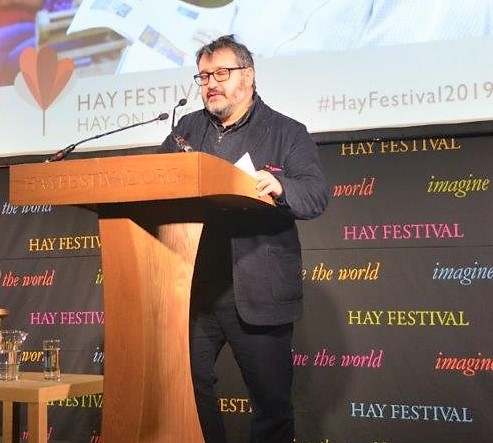
But all was not lost, for on hearing of this, Peter Florence, then director of the Hay Festival, came forward with an extraordinary offer, one no-one had asked for but he was happy to provide: a one hour slot at the next Hay Festival.
HWC Magazine Hay Clock Tower DetailHWC Magazines Group ImagePeter Florence Photo by Merv Newton 2019
And so began something else Lynn became famous for. At each HWC meeting members would, as they do now, read their work. If this received a favourable response from those attending, Lynn would request a copy which she then placed in a green folder. Over that first year and her succeeding ones, the contents of that green folder formed the backbone of the next performance. Not that being sandwiched between its folds granted automatic acceptance. To assure fairness and parity, the hour was shared out equally amongst those performing. No matter how good a particular piece was, if it were too long, Lynn would ask for it to be edited. This was a hard and fast rule.
These days, Lynn’s green folder is longer in existence but our slot at Hay Festival has become the highlight of the HWC calendar. Every year our members strive to produce a varied programme full of moment, poignancy and humour, and we are so grateful to Hay Festival for it’s continued support.
Lynn was in her nineties and had just suffered a heart attack when she stepped away from both the HWC chair and being a member. She had been in post for ten years. A decade which produced an era of sustained HWC publishing – ten magazines in all – which has never been matched since. Nor have the Hay Writers’ Circle’s coffers ever been so full. During her tenure, many writers not only saw their endeavours appear in print for the first time, but were also given the opportunity to perform their pieces to the public as part of the Hay Festival.
As the afternoon continued, Emma, a published poet, who joined during Lynn’s reign as a ‘youngster’ (Lynn’s words – Emma was forty), bears testament to all Lynn’s achievements. However, the easy rapport and mutual respect shown between these two friends of longstanding helps tell another story – and an important one. Lynn achieved what she did not just though obvious dynamism, but also through warmth, humanity and caring.
As a final accolade, in 2019, a year which marked the Hay Writers Circle’s fortieth anniversary, Peter Florence, opened our appearance at the festival with a speech in which he affirmed not only how important he felt writers were to any community, but also how the support of local writers lay at the very heart of the festival. Long may it be so.
AND long may it also be that we are graced with the presence of Miss Lynn M Trowbridge. A woman who spent much of her young life in a home for ‘waifs and strays’ only to spend the greater part of it motivating, inspiring and achieving.
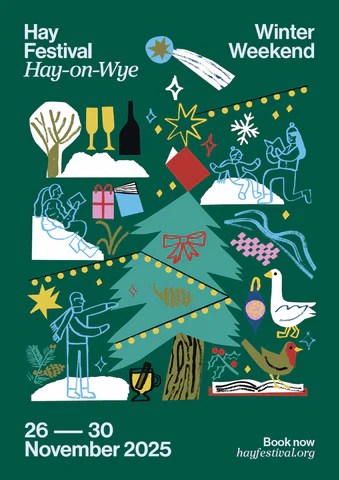
Hay Festival Winter Weekend 2025 programme is out now, promising a wonderland of ideas and inspiration, 26–30 November.
For more information on events and tickets etc – CLICK HERE
– 2025 Fiction Competition now open
Submissions are now invited for our annual Fiction Competition, The Frances Copping Memorial Prize 2025, named in fond remembrance of our Lifetime President who sadly passed away in 2020.
The competition is open to everyone, members of Hay Writers’ Circle and non-members too. Pieces of 500-1500 words on any fiction theme are accepted. Closing date for entries is Tuesday 6th January 2026. Prizes are awarded for first, second and third place.
Please follow the guidelines listed on our COMPETITIONS page if you would like to enter.
You can contact writers4haycomp@gmail.com if you have any questions or queries.
Click on the link below to download the entry form :
Submissions are now invited for our annual Fiction Competition, The Frances Copping Memorial Prize 2025, named in fond remembrance of our Lifetime President who sadly passed away in 2020.
The competition is open to everyone, members of Hay Writers’ Circle and non-members too. Pieces of 500-1500 words on any fiction theme are accepted. Closing date for entries is Tuesday 6th January 2026. Prizes are awarded for first, second and third place.
Frances Copping Holly Müller
This year we are delighted to announce that our judge is the wonderful Holly Müller.
Holly Müller is a writer and musician living in the Bannau Brycheiniog. Her short stories are published in Rarebit (Parthian Books, 2013) and New Welsh Fiction (Seren Books, 2015). Her debut novel My Own Dear Brother (Bloomsbury, 2016) was Waterstones’ Book of the Month and garnered positive reviews in the Guardian, Independent, Sunday Times, Sydney Morning Herald and other international press. Holly achieved a 1:1 in Creative and Professional Writing at the University of South Wales (USW), winning the departmental prize for best creative submission, and completed USW’s Creative Writing PhD. Holly has written for the Guardian Observer, Independent, Sunday Times, Glamour Mag, Writers and Artists Yearbook, as well as prominent online publications, namely Strand Magazine, Female First, Bookish, Business Line New Delhi, and Literary Hub. Holly has performed at Cheltenham, Hay, Laugharne and Cardiff Literature Festivals. Holly taught creative writing at USW and ran Ty Newydd Writing Centre courses with Kate Hamer, as well as workshops at schools and festivals, before having a family.
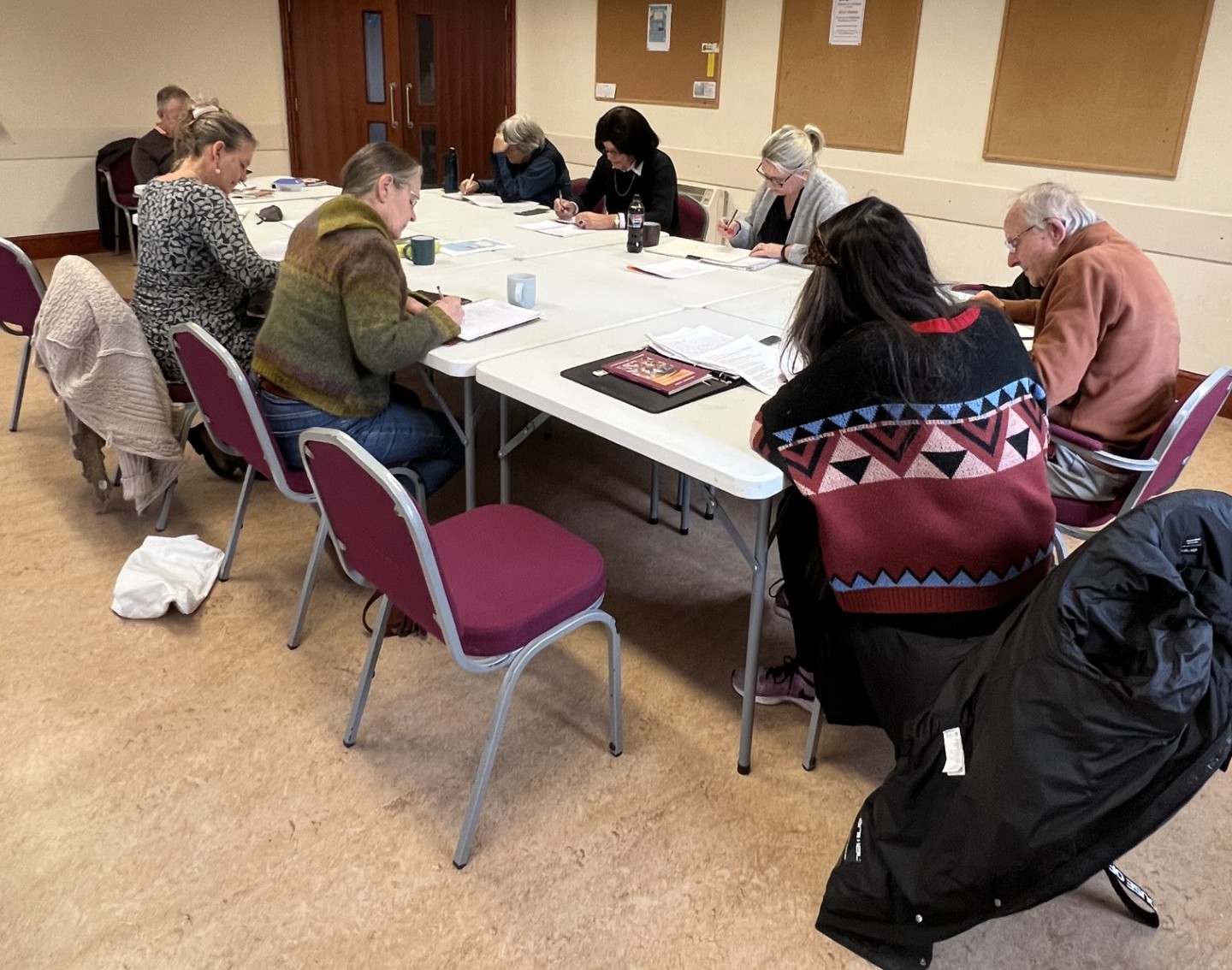
On 21st October we met at Cusop Village Hall for a workshop with Gareth Writer-Davies, who kindly judged our last poetry competition. Gareth is a local poet who lives near the Brecon Beacons (Bannau Brycheiniog). His notable achievements include –
Gareth gave us a very interesting and thought-provoking workshop. We discussed some poems which dealt with everyday life and then went on to write ourselves and to share our work. As a starting point we used William Stafford’s method for daily writing, which Gareth had introduced us to. Here it is, if you want to try it:
Get up early – if you can Write the date Write down an adage Write 2 lines about what you did yesterday Take a couple of minutes pause and the start to write your poem No pressure; if nothing flows then lower your standards.
This produced varied contributions, although there was a slight emphasis on gardening.
Gareth Writer-Davies
Many thanks to Gareth – we all really enjoyed the afternoon.
The One Didn’t Get Away!
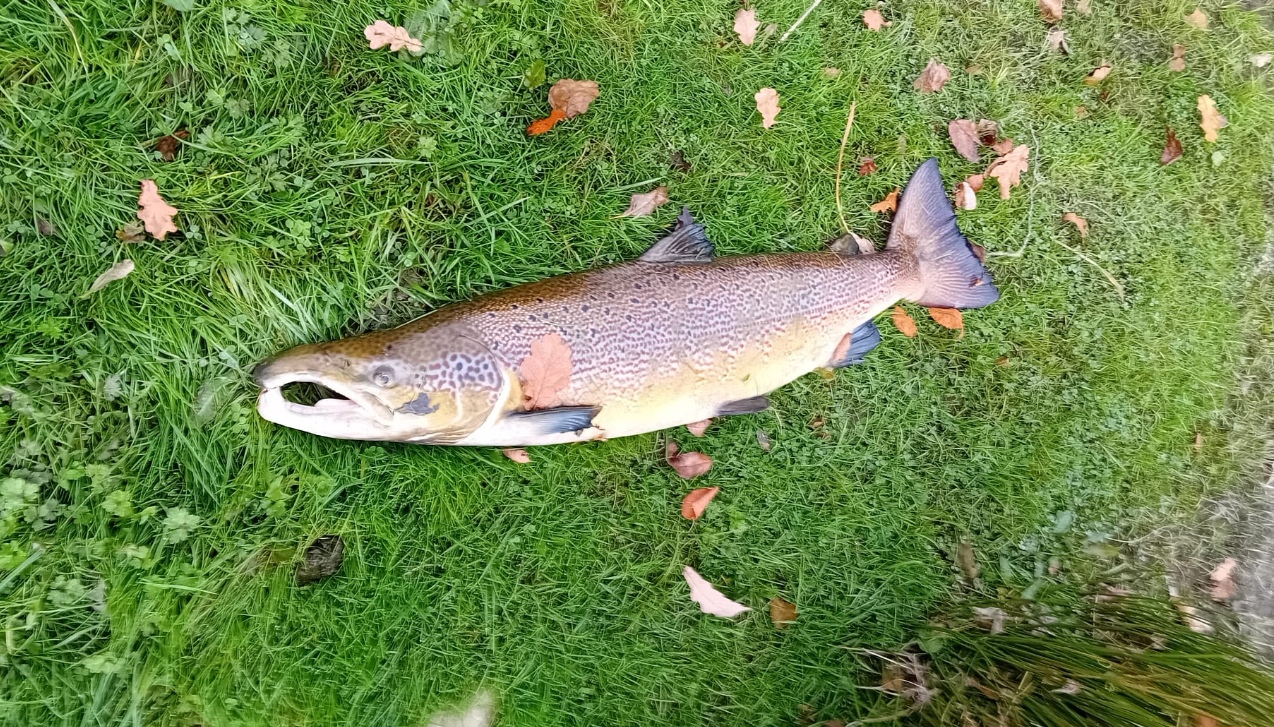
Recently, one of HWC managed to catch an absolutely superb wild Wye Salmon. To celebrate, here is the first act (prequel not included) inspired by that glorious event. Congratulations Nick!
“The one that didn’t get away” by Nick Thomas.
A one act play.
Featuring:
“Kipey” Henry, king of fish.
An oldish gentleman.
A rock, previous story refers.
A tree, ditto.
The Scene, a pool on the Wye, rock and tree face each other from opposite sides of the river.
Enter stage right, a salmon.
“Morning gentleman”, he says.
Tree grunts, Rock, who has seen it all before, ignores him.
“What’s up with him?” snorts Salmon.
“Oh, take no heed of him, he’s sulking about something that happened two hundred and four years ago”, says Tree.
“Oh”, says Salmon, “anyway let me introduce myself. I am Kipey Henry, an Atlantic salmon, king of fish. I’m just over 1 m long and weigh 26 pounds”.
“Well, well”, says Tree, “just passing through, are you?”
“Yes, but I must rest for a pesky otter, further downstream at the Turn Pool gave me such a fright, I’m lucky to be here at all.”
“Oh dear, rest there in the tail of the pool and wait for the water to rise in a few days’ time then you can continue your journey.”
“If you don’t mind me asking”, said the inquisitive Tree, “why Kipey?”
“Because of my large kipe, my lower jaw”, says Henry sticking out his lower jaw of which he was very proud.
And that was that, until:
Enter stage left, Nick, an elderly bearded gentleman. He is limping and using a stick but carrying a huge fishing rod. At least that’s what a lady taking her son to school just said as he unloaded it from his car.
“To catch a huge fish, hopefully”, he replied. Though, in truth he wasn’t very hopeful. For though the river was right and he had fished it proficiently for several days, casting well, not falling over, but to no avail.
He started casting at the head of the pool and moved slowly downstream going through the motions, but without a lot of hope.
He came out of the river, rounded a willow shrub, then continued towards the tail of the pool.
A decent cast swung round, he mended the line, then WHAM! Kipey had taken the fly, a red, black and yellow tube. Holy moly this woke the old bugger and Kipey up. Out of nowhere fight was joined.
I won’t bore you with all the cut and thrust, it took ten minutes or so. Old Nick had neglected to bring a net, so he was desperately looking for somewhere to either beach or tail the fish, that is grab it by the tail.
Kipey was having none of this. He was in and out, up and down, sometimes holding solidly still. Nick thought he had lost him at least twice but, today Man beat Fish. Kipey was up on the bank being photographed while expecting the worst.
But no, the next thing he knew he was being put back, held gently in the water for five minutes while he recovered from his ordeal.
It was with mixed feelings that the old man let him swim away. He took out his flask and took a sip of whisky to salute his good fortune for he had just returned the biggest salmon he’d ever caught in a lifetime of fishing.
Even Rock seemed pleased.
Curtain closes.
Wye Salmon caught by Nick Thomas, 2025
And Finally :
Less than a month to go until – Hay Festival Winter Weekend 2025
For more information on events and tickets etc – CLICK HERE
If you want to read about all our up and coming news, events and competitions, don’t forget to subscribe with your email address in the box below.












 THE HAY WRITERS