
An Arrival, Hay Festival Winter Weekend and More From The Richard Booth Prize

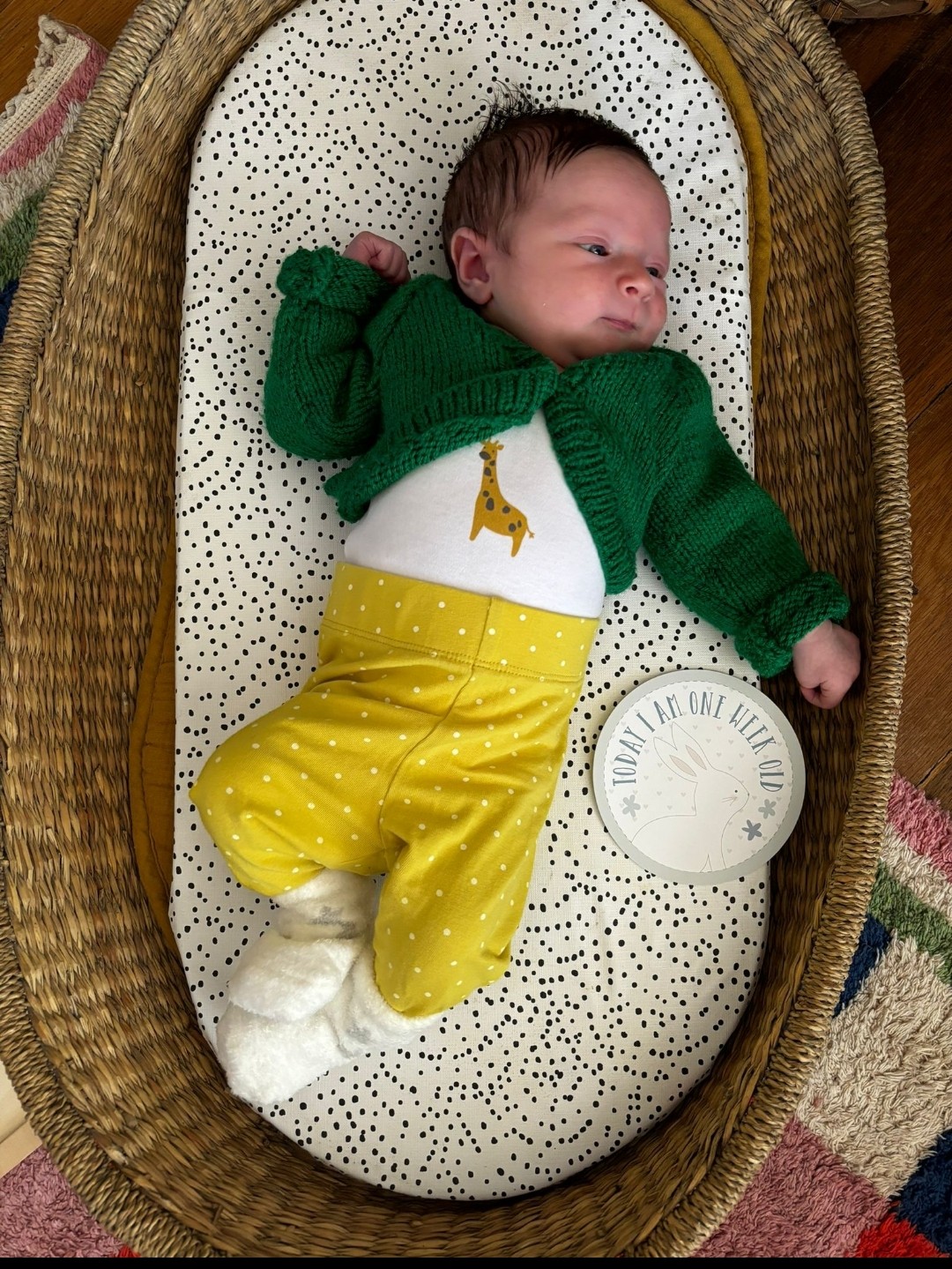
We are all delighted to announce the welcome arrival of baby Zephyr!

Many congratulations to his HWC mum, Lily, and all the family. xxx
(Cheers and rapturous applause!)
Hay Festival Winter Weekend

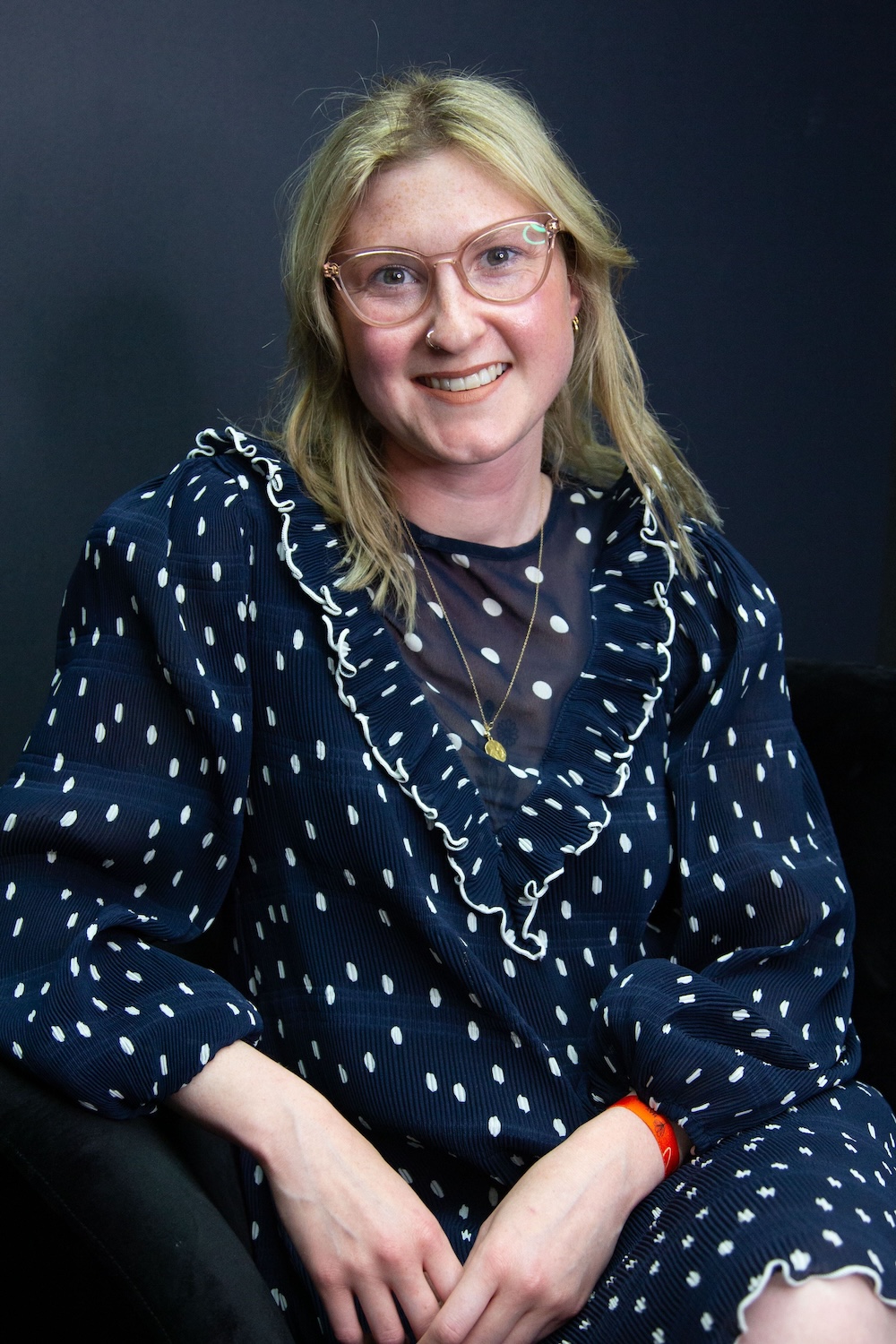
It’s less than a month to go before Hay Festival welcomes us all to it’s Winter Weekend, 28th November – 1st December 2024. It’s definitely something to brighten the darkening days and place us firmly on the road to seasonal celebrations ahead.

If you haven’t booked your tickets yet, please check out their website – CLICK HERE If getting to Hay is not possible, then there’s a great selection of digital events which you can access from the comfort of your laptop.

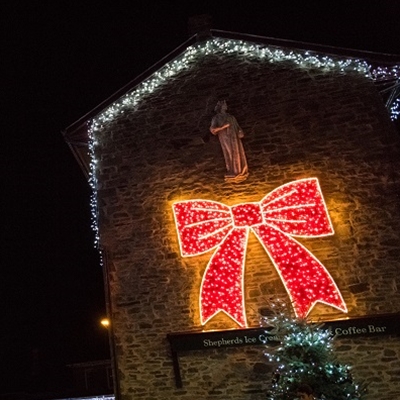
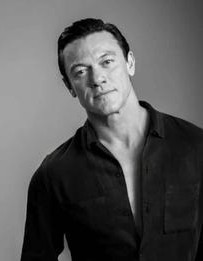
Those who can make the journey, don’t forget the Christmas Lights will be switched on by wonderful Welsh Actor and Singer, Luke Evans along with our soon to be announced Citizen Of The Year. Join the party atmosphere in the town square on Friday 29th November.
More From The Richard Booth Prize for Non-Fiction 2024

Following on from our recent articles containing Dr Alwyn Marriage’s judge’s comments, coupled with the 1st, 2nd and 3rd prize winning pieces, we are delighted to share the Highly Commended entry from Ange Grunsell.

An Ethiopian Journey

It was hot: very hot. We had been travelling all day on the bus from Axum to Gondar in Ethiopia. It was 1970. The mountain scenery was spectacular in its scale and grandeur. The young driver of the ramshackle vehicle pulled slowly up each set of hairpin bends, swinging out over bottomless drops at each corner and hauling back up the steep incline, before holding hard down into the next precipitous section with great. We hung out over a mountain wilderness reaching to the distant skyline. The glare of the sun made it shimmer.

It was so hot: so hot. Eyefuls of dust blew in through the open windows of the sticky vehicle. There were three of us, each in different parts of the bus: Martin in his sunglasses and jeans, Rob in crumpled linen trousers and sweat stained white shirt and me, in sleeveless, knee length cotton dress and sandals, worn with the impervious arrogance of European women travellers of the time. A rucksack that held our combined possessions was squeezed between Rob’s knees. Rob dozed fitfully, his head lolling onto the shoulder of the man next to him. Smells of women’s hair oil mingled with sweat both stale and fresh: the sweat that trickles down backs and soaks underarms. For many miles I had been sitting next to a tall countryman who sat bolt upright, his staff between his legs, knees wide apart. Locks escaped from under the headdress wound round his head. He wore brown faded tunic and baggy shorts. He swung into me at each bend, thrown by its force. We didn’t speak. We had no shared language.

In the overwhelming heat, it was hard to keep awake, despite speakers blaring out Ethiopian pop music. Some passengers dozed, others talked or argued loudly, twice, blows were struck and once swords were drawn, by two men wobbling around in the centre aisle. The atmosphere was certainly an uneasy one and we were ignorant outsiders. In Asmara there had been stories of rebel violence, machine gunnings, even of buses thrown down hillsides, their passengers left stranded. Despite two of us having witnessed a bloody sword attack at close quarters and the third being far too unwell to embark on arduous travels, we had embarked with naive confidence on a foolhardy journey.

As we skirted the edge of ravines far below and wound our way between walls of cliff, twice, in one short stretch of road, the bus was stopped by army units. It only became clear later, that our journey had taken us through the active war zone, rumoured in Asmara, and that we had crossed the front line. We had been searched first by the Eritrean Liberation Front and then by the Ethiopian Army.

Every so often, apparently in the middle of nowhere, the bus would stop. Women and baskets of vegetables or firmly grasped chickens, even two goats, clambered on or off the crowded deck. But the sight of a youth grabbing an old man by the beard and violently shaking him, apparently just to take his place on the bus, increased our feelings of insecurity.

We stopped for part of the night in the hilltop village of Adi Arkay where we were put up in cubicles in a cluster of huts that only catered for bus passengers. A supper of injera and watt was ladled out for everyone. But Rob, still suffering from hepatitis, was unable to eat anything.

Back in the bus before dawn, from time to time bad tempered quarrels broke out between passengers and at one point there was a standing face – off with drawn knives as the bus lurched. Leaving the mountains behind, we travelled down through slopes covered with eucalyptus and pine. As we neared Gondar, coffee plantations bordered the road.

At last the bus rattled down the final long descent into the midday marketplace of Gondar. We climbed out and looked around us. Gathering our possessions, we discussed finding somewhere to stay. Some horses and carts were parked in the shade. Rob was too weak to walk any distance and so we gestured to the nearest driver who beckoned Rob to climb up beside him. Martin and I hoisted our rucksacks into the back and set off walking behind the cart. After half a mile or so the cart stopped outside a bar which evidently fronted a hotel. Inside the owner showed us two rooms up a short flight of stairs. We put Rob to bed, leaving him a portion of injera bread at his bedside. Over a coca cola Martin and I discussed what to do next. We had very little money left and Addis was still miles away, probably more than two days by bus. Although we were out of any war zone, Rob, who had been recovering from hepatitis before the journey, was clearly too weak to continue safely by road. What to do?

We had come to Gondar to visit the picturesque medieval churches shown in the guide books and indeed Gondar was well enough known on the tourist trail to boast a colonial hotel: a glimpse of cool white buildings, set amongst a green garden and watered shrubs, confirmed this. To get there from almost opposite our lodgings, a long flight of steps rose above a gate.  Martin and I decided on a plan. Gondar had an airport. I had a classy English accent and a cheque book in the rucksack. I would walk up to the hotel and see whether I could find anyone prepared to give us enough cash to fly from Gondar to Addis on the strength of an untested UK bank account.

I climbed up to the hotel: it was a parallel universe, an altogether cooler planet. There, various English- speaking couples were sitting around sipping after lunch coffee in a comfortable lounge, its tall open windows showing a vista of garden and hills.  I approached several groups with my request. One after the other, looked the other way or turned me down flat, politely. I had forgotten how westerners react in their reactions to uninvited demands. 

Eventually at the end of the room, a couple let me tell the whole story of why we needed money, how Rob had been seriously ill in Asmara and was once again alarmingly weak, making further bus travel risky. Gloriously, these people had met my brother-in-law at Makerere hospital in Kampala a few years before. But still I was not home and dry. A little wary, they agreed to accept my English cheque and provide some money, if I could bring Rob up to the hotel to substantiate the story.

So I descended to our shabby lodgings once again. By now it was late afternoon. Along the corridor outside our bedroom door was a long queue of men who eyed me lazily. They were waiting to visit the upstairs rooms in the brothel where we were lodging. Worse as I walked into Rob’s room, a rat spotted the injera, jumped onto the floor beside his bed and flung itself out of the window.

Our good Samaritans trustingly gave us enough cash to cover a flight to Addis and the next morning fly we did. Gondar airport turned out to be a grass airstrip that came to an abrupt end where the mountainside dropped away, edged by a raised hillock to help bounce aircraft into the air. Our DC8 laboured up over each peak, sickeningly close to rocky outcrops. Rob observed oil trickling down the wing close to his window. But we arrived safely in Addis Ababa, a town of high-rise conference centres and international hotels, hot water and comfortable beds.

Coming soon …

Details of our Short Story Competition!

Don’t forget to subscribe for all our latest updates!
Enter your email address in the box below.

Unknown's avatar

About thehaywriters

The Hay Writers : a highly active & forward thinking writing group based in Hay-on-Wye, the world famous 'Town of Books'. ✍️ In 2019 we celebrated our 40th anniversary.
This entry was posted in Uncategorized and tagged , , , , , , , , , , , , , , , , , , , , , , , . Bookmark the permalink.

Leave a comment

This site uses Akismet to reduce spam. Learn how your comment data is processed.