
We are excited to announce the results of our 2022 Frances Copping Memorial Prize for Fiction Competition, named in fond remembrance of our Lifetime President who sadly passed away in 2020.
This popular competition again received a good number of entries from both inside and outside Hay Writers’ Circle and we very much welcome external interest in all our writing competitions.
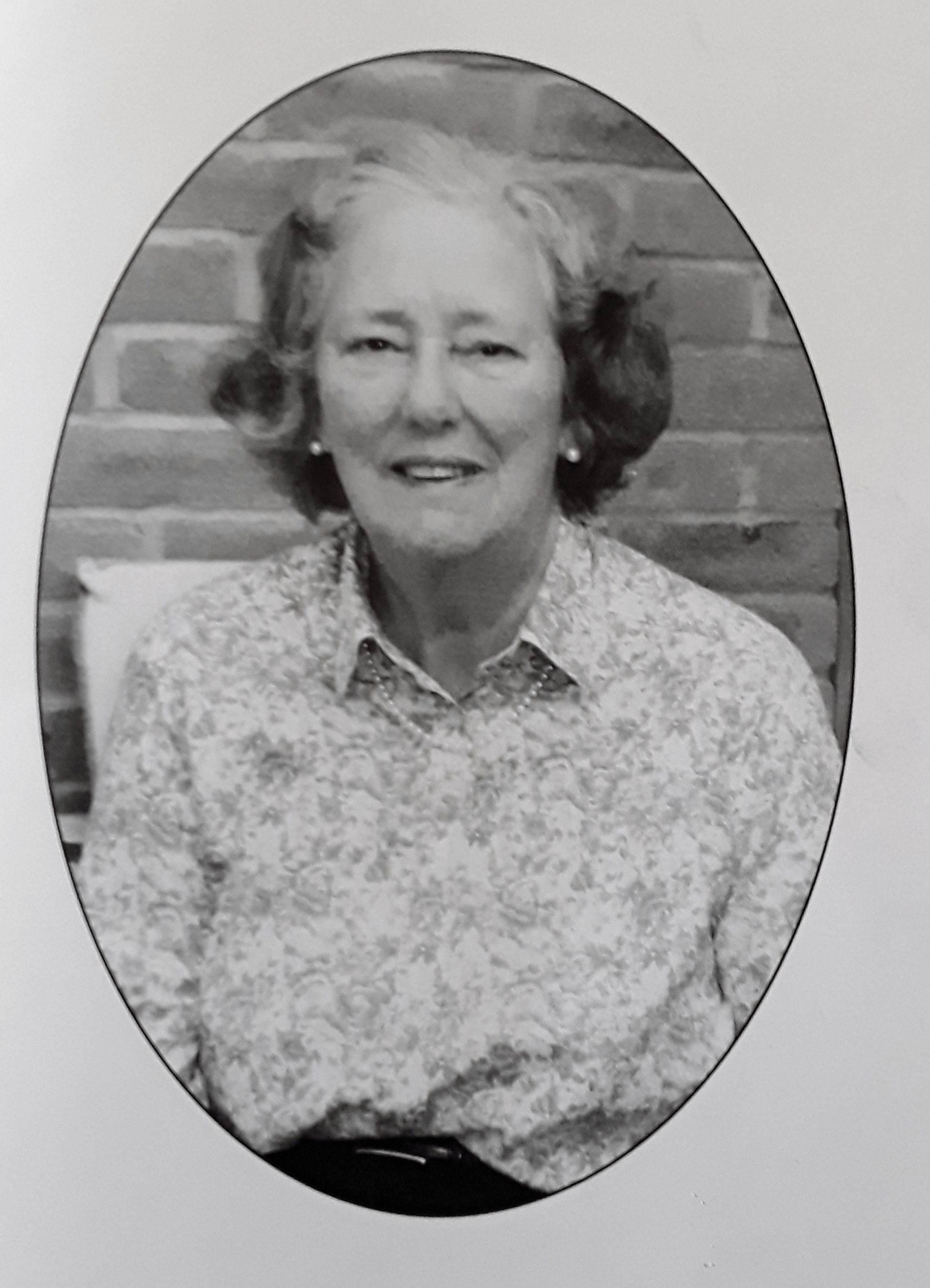

Our judge this year was the Dr. Alan Bilton. He commented that, “(he) really enjoyed all of the pieces and was extremely impressed by the high quality of the entries, and the demonstration of imaginative ambition on display throughout.”
We are extremely grateful to Alan for all his work judging this competition, including the written comments he made for every single entry – going forward, such useful comments can hone writing skills for the future.
Without further delay, here are the results!
First prize: Michelle Pearce with The Postman
Second prize: Julie Ann Rees with The Sleeping Giant
Third prize: Naomi Parsons with Neighbourhood Watch
Judge’s Comments:
First Prize – The Postman
“Beautifully written and deeply moving, this is a subtle, understated study of loneliness and loss, observing human frailty through a kindly, yet beady set of eyes. The material is muted and low key, but paradoxically the emotion shines through all the more forcefully for this very reason, and the melancholy is never mawkish, but rather feels emotionally true and earned. A really polished, professional piece of work – well done.”
Second Prize – The Sleeping Giant
“Atmospheric, mysterious, and subtly strange, I really liked this piece. We are in the territory of folk horror here, but the menace is skilfully underplayed, and I admired the way in which you toy with the reader’s scepticism and lingering sense of dread. To be able to evoke such a powerful sense of strangeness in such a small space is testament to the quality of the writing – a very fine piece of work indeed.”
Third Prize – Neighbourhood Watch
“Funny, inventive, and constantly surprising, this is one of those tales where you’re never sure what is going to happen to next, but you’re more than happy to accompany the writer on the journey. A mixture of the magical and the mundane, the surreal and the humdrum, this has a truly distinctive voice, balancing beauty and cruelty with great skill. Perhaps the snow-plough keys are a little too neat an ending – a little more ambiguity might have helped open things up rather than close things down at the end.”


We are delighted to showcase Michelle’s winning piece here.
The Postman
For all the things she had loved when young and had gone on to lose as she grew old, Sylive cherished Shakespeare still. She always kept a play or a sonnet beside her bed so she could read a little before she slept and allow the poetry to quietly eclipse the troubles of her day. By a process of quiet osmosis, her favourite speeches and stanzas had become instilled within her, learnt by heart without any deliberate intent, and these she would mutter to herself as she did the housework, the lift and lilt of the iambic pentameter somehow keeping her in line with the tasks, making them bearable even when the call rose within to open the door, step out and walk away.
Sylvie’s Shakespeare plays were lined up in order of composition in the spare room, clamped between thirty-five years of household accounts and the small metal safe which held their passports, emergency phone numbers, birth certificates, wills and the small series of letters she had received over the years. They were mostly from her children – Justin who lived some poor shadow of a life in a caravan in Cornwall and Angela with her smart job in the city who had troubles of her own but who still managed to visit a couple of times a year – sometimes with the children, occasionally with a new boyfriend just as unsuitable as the last.
“Morning!”
The postman was a friendly chap and Sylvie often happened to be putting out the empties or lingering over her pots when he called by on his rounds. She liked to take her mail from him personally, delivery by hand seemed somehow important and she would try to think of something novel to say as he made his way up the steps to the front door.
“Lovely morning for it.”
Soft spring; the ornamental cherry tree in unashamed and blowsy bloom.
Or
“Hold your hat!”
Wind cutting in off the sea, hitting hard against the brickwork.
Mail delivered Sylvie would raise her hand in a half-wave as he trotted off down the steps. When he reached the bottom, he would twist around, cock his head and send her up a slightly disjointed back-handed reply. Then off he would go, marching around the close like a man half his age, posting letters through boxes with beautiful efficiency and a decent measure of good cheer. Sometimes Jasmine from number 8 would be out with her pram, and he would bend down and coo at the baby she’d had with that funny fellow who came for a while in a blue van but who now seemed to have gone for good.
“Sylvia!
That voice from upstairs,
“Sylvia! Who’s there?”
falling down on her like stones.
“No one’s there – I’m – Making – Tea – ”
Sylvie went silently into the sitting room, drawing aside the nets just enough to see the postman service the houses opposite, lifting the flap, posting the letters and every now and then handing over a parcel. It always stung a little when he had a parcel for someone else but she only had to look at his smart red van parked outside her house to feel a warm rush of gratitude that every day she was chosen above all the others, and if she allowed herself the luxury it truly wasn’t hard to believe that he had just come home from work and was dropping in on a neighbour.
“Sylvia!”
After lunch it went quiet upstairs and more often than not, Sylvie would sit at the telephone table in the hallway. It wasn’t that she was expecting a call, just that of all the places in the house she liked the hallway best. It had four doors leading off it to other places, stairs which went up – that seemed a positive thing – and the glass front door which led out onto the doorstep, the only place where she could see the sky without craning her neck and let her hair be lifted for a moment by the wind.
The telephone itself was an old-fashioned thing with a curled wire connecting the handset to a stout cream base with their very first phone-number still clipped securely in the centre of the dial – Hastings 35051. The phone had seemed very modern when they had it installed in the Victorian terrace they rented on Manor Road, a rambling house set over four cold and inhospitable floors. But this was the place where she had brought up the children, and in spite of the lack of money, the plagues of flies in summer, mildew in winter – she was happiest there. Julian and Angela were small and vital, squirming and slippery when she washed them in the old basement bathtub then she’d set them down, clean and perfect in their pyjamas, smelling of soap, hair neatly combed, to watch Blue Peter before bed. It was her favourite time of day and unless he was home early, nothing could spoil it. She would make herself a last cup of tea and sit with them with the curtains drawn against the winter cold, against the sharp seaside sun of summer and dream of nothing more.
“Sylvia! Sylvia! Where are you?”
Sometimes the postman seemed to have a little more time. He would lean on the railings and linger longer than a bank statement truly warranted, and it was then, more than ever that Sylvie longed to invite him in for tea. Or coffee. Yes, perhaps he was more of a coffee-drinker. She had it all planned, how she would lay the occasional table by the French windows and sit him on one of the rattan chairs whilst she warmed the pot – or the cafetiere of course – and sprinkled a little cress on the sandwiches. Nothing posh just the usual ham and cucumber, cheese and tomato, tuna mayo, but bearing in mind it was a special occasion, a slice of cake wouldn’t be amiss. Of course, she would get out the trolly-cloths and use tea leaves rather than bags and if the conversation faltered, she would talk about the silver tea-strainer which had belonged once to her mother and had somehow survived the Blitz. How fascinating. Did he take sugar? Was that one lump or two?
“Sylvia!”
She can hear him lumbering about the bedroom, never a good sign –
“Sylvia!”
She opens the cutlery draw and sets the knife and fork neatly on the tray. The plate is warmed. A packet pie, a few peas, a small pile of mash on the side.
“Sylvia!”
He’s on the move. Blundering into furniture, wrenching at the door.
“It’s all part of the disease, sadly.” The dementia nurse had told her. “It’ll get worse with time.”
“Sylvia!”
She carries the tray carefully upstairs, moving quietly towards the bellowing and the banging.
“Sylvia? Is that you?”
With night the house becomes so quiet she can hear each tick of the clock and each of his breaths, heavy and steady in the bedroom above. These are her metronomes – the clock tells her she is alive and its punctual little chime cheers her up; his snoring says that he is asleep and that within these four walls and for just a little longer she is in some respects at least, free. She does some on-line shopping, not really minding what she buys so long as it come special delivery, that it will be there by morning. She reads a little Shakespeare, then switches off the light, drifting around in the resonant wake of the words, letting them roll through her like waves, softening the blows. Tomorrow she’ll be deadheading the petunias when the postman comes up the steps. He’ll have a parcel for her. They’ll stand on the doorstep, not three feet apart. They’ll talk a little most probably, but more important than that they will breathe. Breathe together. The same morning. The same moment. The self-same air. He will give her his pen and she will take her time and write her name on his screen.
End

 THE HAY WRITERS